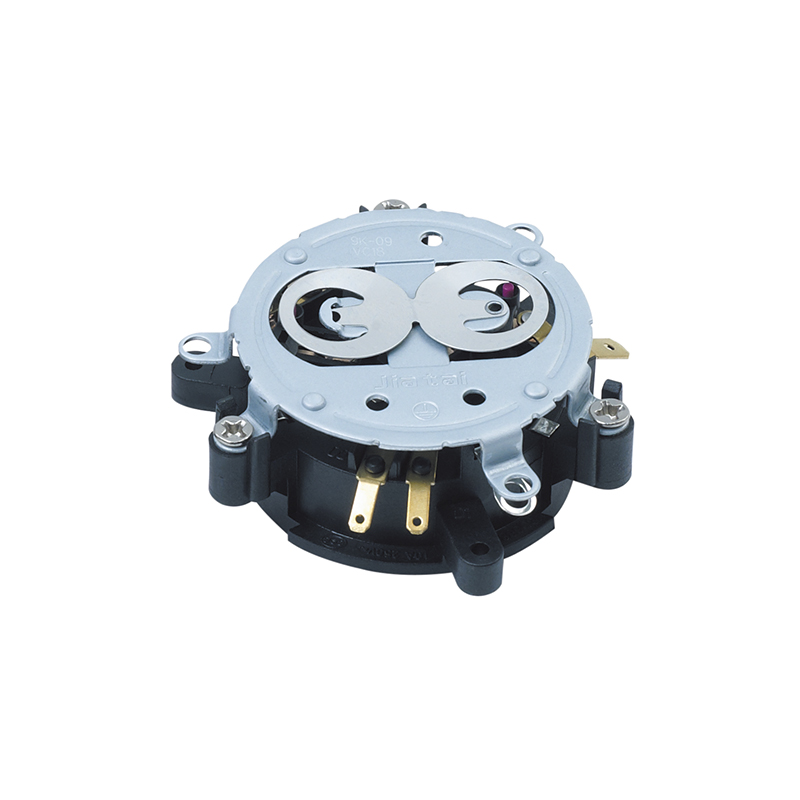
For OEM and ODM buyers, a single component often determines overall manufacturing success. The thermostat sits at the very heart of electric kettle production. It acts as the central point of failure or success for your entire product line. This crucial part directly dictates safety compliance limits. It determines overall product lifespan. It also shapes unit economics at scale.
Procurement teams face a persistent dilemma today. You can pay a premium for UK-engineered controls like Strix or Otter. This path guarantees global compliance across strict markets. Alternatively, you can leverage high-tier Chinese manufacturers to improve profit margins. Both approaches carry distinct supply chain risks.
Choosing the right component requires moving past basic brand reputation. You must carefully evaluate specific kettle thermostat standards during the sourcing phase. Target market certifications demand early attention. You also need verifiable reliability data to justify your supplier choice. This guide provides the framework to make those complex decisions.
Key Takeaways
UK standards (BS EN) provide frictionless market entry and established consumer trust, but increase BOM (Bill of Materials) costs significantly.
Chinese standards (GB/T) have evolved; top-tier domestic components now offer precision comparable to UK brands, but require stricter supplier auditing.
Market destination dictates the choice: UK/EU/US markets generally demand UL/CE/RoHS backed by rigorous life-cycle testing, while emerging markets allow for cost-optimized domestic alternatives.
A verifiable kettle thermostat certification and documented dry-boil failure rates are non-negotiable when shortlisting OEM partners.
The Core Dilemma: Sourcing an Electric Kettle Thermostat
Why does precision matter so much? An electric kettle thermostat manages the most critical safety functions. It controls auto-shutoff mechanisms perfectly. It provides essential dry-boil protection when users forget to add water. It also ensures precise temperature accuracy during daily consumer use. If this part fails, the entire appliance becomes a severe fire hazard. A broken switch ruins the consumer experience instantly.
Cost Versus Risk Profile
Buyers constantly balance component costs against their acceptable risk profile. A sub-standard component saves just cents on the dollar initially. However, it triggers incredibly high RMA (Return Merchandise Authorization) rates later. It leads to dangerous product recalls across retail channels. It also invites strict customs and CBP (Customs and Border Protection) scrutiny at the border. Short-term savings quickly evaporate under these harsh conditions.
Real-world scenarios prove this point repeatedly. Imagine a shipment held at customs due to inconsistent safety documentation. Storage fees accumulate daily. Retailers cancel their seasonal orders. Your brand reputation suffers massive damage. Premium suppliers prevent these catastrophic logistical failures entirely. They provide robust testing data upfront.
Implementation Reality
Implementation reality dictates early and firm decision-making. Swapping origins mid-production creates disastrous delays. Such a change requires complete product recertification from scratch. You cannot simply switch suppliers seamlessly to chase lower prices. The decision must be locked in during the initial OEM design phase. Engineering teams need exact dimensions early in the product lifecycle.
Common Mistakes in Early Sourcing
Delaying component selection until the final tooling phase.
Assuming all generic switches handle identical electrical loads.
Ignoring regional voltage variations during prototype testing.
UK Kettle Thermostat Standards: The Global Compliance Benchmark
European engineering has long dominated the premium appliance sector. This dominance relies heavily on strict regulatory frameworks. BS EN 60335-2-15 drives the primary safety requirements. It acts as the definitive European standard for household heating liquids. Manufacturers must pass rigorous electrical endurance tests to achieve this status. They must prove continuous operation under extreme thermal stress.
The "Strix/Otter" Factor
UK-designed components act as a default shorthand for safety. Premium markets demand them without question. Consumers actively recognize these names as powerful trust signals. Retailers often mandate their inclusion before granting shelf space. They refuse to list products lacking these verified parts.
These legacy brands spent decades perfecting bimetallic disc consistency. Their spring mechanisms rarely fail prematurely. They use high-grade materials to prevent contact welding under heavy loads. This engineering excellence justifies their premium pricing structure. Buyers gain complete peace of mind.
Evaluation Dimensions
Procurement teams must weigh specific advantages against financial realities.
Pros: They offer near-zero friction across global safety boards. They easily pass UL, CE, and VDE laboratory checks. They deliver incredible 10,000+ cycle reliability metrics. Bimetallic disc consistency remains practically unmatched globally.
Cons: High procurement cost drastically reduces wholesale profit margins. Strict supplier licensing requirements limit your factory choices. Buyers face limited design flexibility for non-standard kettle shapes. Integration requires strict adherence to their patented form factors.
Best Fit Scenarios
Premium brands rely almost exclusively on these components. High-wattage kettles exceeding 3000W need this robust engineering. Such intense power output melts cheaper plastic housings quickly. OEMs targeting strict liability markets must use them. The US, UK, and Western Europe fall squarely into this high-liability category.
China Kettle Thermostat Standards: Scalability and Evolving Precision
Domestic manufacturing capabilities have transformed radically over the past decade. GB 4706.19 governs safety protocols regionally. This framework dictates the safety of household and similar electrical appliances. The standard now closely mirrors international safety protocols. It forces domestic factories to elevate their quality control measures significantly. Obsolete testing methods no longer pass regional inspections.
The Tiered Reality
Smart buyers must acknowledge a vast supplier gap. Low-end generic components still flood secondary markets. They often fail prematurely under daily stress. However, Tier-1 Chinese brands routinely pass international export standards. Companies like Jiatai and Fada offer exceptional precision today. They compete directly against legacy European brands. They match safety benchmarks consistently.
These top-tier factories utilize fully automated assembly lines. They source raw materials carefully. They invest heavily in internal testing laboratories. You cannot lump all domestic suppliers into one category. Detailed factory audits reveal massive differences in production capability. You must look beyond the glossy catalog pages.
Evaluation Dimensions
Assess the benefits and drawbacks of domestic sourcing carefully.
Pros: They offer highly favorable unit economics. Volume orders are often 30-50% cheaper. Factories provide rapid prototyping capabilities for custom designs. They adapt easily to regional wattage ratings. You gain more control over product aesthetics.
Cons: Buyers face inconsistent batch quality among Tier-2 and Tier-3 suppliers. You must independently verify all life-cycle claims. Blind trust often leads to quality control disasters upon delivery. You must budget for third-party inspections.
Best Fit Scenarios
Mid-market consumer brands thrive using these parts. High-volume promotional orders benefit massively from the cost savings. OEMs targeting emerging markets should prioritize them. Southeast Asia, Latin America, and domestic retail markets are ideal destinations. These regions prioritize affordability alongside basic safety.
Regional Component Comparison
Standard Origin
Primary Regulatory Framework
Cost Profile
Target Markets
United Kingdom
BS EN 60335-2-15
High Premium
US, UK, Western Europe
China (Tier-1)
GB 4706.19
Highly Economical
Asia, LatAm, Domestic
China (Tier-3)
Local / Unverified
Ultra-Low
Unregulated Secondary Markets
Evaluation Criteria: Matching Standards to OEM Outcomes
Every internal specification impacts the final user experience directly. You must match technical features to tangible safety outcomes. A perfectly polished kettle body means nothing if the switch fails on day three. Engineering precision prevents disastrous field failures.
Features-to-Outcomes Mapping
Examine these critical performance metrics during your selection process.
Dry-Boil Protection: Does the bimetal strip engage under 15 seconds? Quick engagement prevents housing meltdowns. It stops potential kitchen fires. Slower reaction times cause permanent heating element damage.
Wattage Ratings Compatibility: You must match the amp rating perfectly to the heating element. Kettles draw radically different currents globally. A 10A rating differs drastically from 13A or 16A models. Mismatches cause dangerous electrical arcing.
Supply Chain Security
Never judge a component in complete isolation. Evaluate supplier production capacity closely. Look for fully automated assembly lines during your factory tour. Automation removes human error during delicate switch assembly. Hand-assembled parts often show unacceptable tolerance variations.
Demand strict raw material traceability. Copper and silver contact quality directly impacts electrical resistance. Cheap silver alloys degrade rapidly under high heat. Premium suppliers gladly show you their raw material sourcing certificates. They never hide their supply chain partners.
Shortlisting Logic
Stop using a simple binary comparison. Move toward a strict "Certified vs. Unverified" framework. Demand transparent assumptions from potential suppliers. Ask them to prove their component lifespan claims using hard data. Review their historical failure data openly.
Best Practices for Supplier Audits
Request three years of ISO 9001 compliance records.
Tour the internal quality assurance testing laboratory personally.
Speak directly with the lead electrical engineer on site.
Ask for failure analysis reports on previous batch returns.
Navigating Kettle Thermostat Certification and Thermostat Reliability Testing
You cannot export finished goods without proper regulatory documentation. A valid kettle thermostat certification opens specific regional doors instantly. Lack of documentation causes immediate customs seizures. It halts your entire distribution pipeline overnight.
Required Certifications
Map your regional compliance requirements extremely early. UL serves the vast North American market. CE and TUV cover strict European zones. CCC handles the massive Chinese domestic market. The CB scheme provides a streamlined pathway for global document adaptation. You must know your target geography before ordering prototypes.
Key Testing Protocols to Demand
Quality assurance requires rigorous laboratory validation. Robust thermostat reliability testing separates premium suppliers from average ones. Never skip these validation phases to save time.
Life-Cycle Testing: The industry standard requires 10,000 normal operating cycles. The component must survive without measurable performance degradation. Contacts must not stick together over time.
Dry-Boil Cycle Testing: The switch must endure severe thermal stress. Demand a minimum endurance of 200 to 500 dry-boil survivals. Electrical breakdown during this test indicates critical material flaws.
Salt Spray & Steam Testing: Kitchens create highly humid environments. Boiling water generates constant steam exposure. This test evaluates the long-term corrosion resistance of internal contacts. Rust destroys electrical conductivity quickly.
Risk Mitigation Strategies
Never rely solely on factory promises or glossy brochures. Use third-party inspection services like AQI for objective verification. They conduct independent batch testing before container loading begins. Catching failures before ocean shipment saves thousands in reverse logistics costs. It protects your brand reputation fiercely.
Conclusion
The choice between UK and Chinese standards boils down to a strategic calculation. You must weigh target market compliance requirements strictly against BOM cost targets. Premium markets demand premium compliance above all else. Emerging markets reward cost-optimized flexibility. You cannot force a single solution globally.
Take immediate next steps to secure your supply chain. First, audit your specific target market safety requirements thoroughly. Next, request documented testing data from all potential OEM partners. Finally, prioritize suppliers who maintain strict in-house QA labs. Do this regardless of component origin.
Stop guessing about critical component reliability. Contact our procurement engineering team today. We can review your kettle specification sheet together. Let us help you identify the optimal sourcing strategy for your specific manufacturing goals. Precision engineering guarantees long-term market success.
FAQ
Q: Can I use a Chinese-made thermostat to pass UL or CE certification?
A: Yes, provided the specific component from the Tier-1 Chinese manufacturer has been independently tested. It must hold its own recognized component certification. Look for TUV, VDE, or the UL-recognized mark. Proper documentation ensures seamless integration into your final UL or CE appliance application.
Q: How does thermostat precision affect kettle wattage ratings?
A: High-wattage kettles exceeding 2500W draw higher currents, often reaching up to 13-16 Amps. The thermostat contacts must handle this load without arcing or welding shut. UK standards traditionally dominate the high-wattage tier. However, top Chinese models now compete effectively in this specific power bracket.
Q: What is the standard acceptable failure rate in thermostat reliability testing?
A: For premium OEMs, the acceptable failure rate during 10,000-cycle life testing should be < 0.1%. Anything higher indicates serious manufacturing issues. It points toward flawed bimetal sourcing or poor assembly tolerances. Always demand these metric reports before signing bulk purchase agreements.