Contents
Introduction
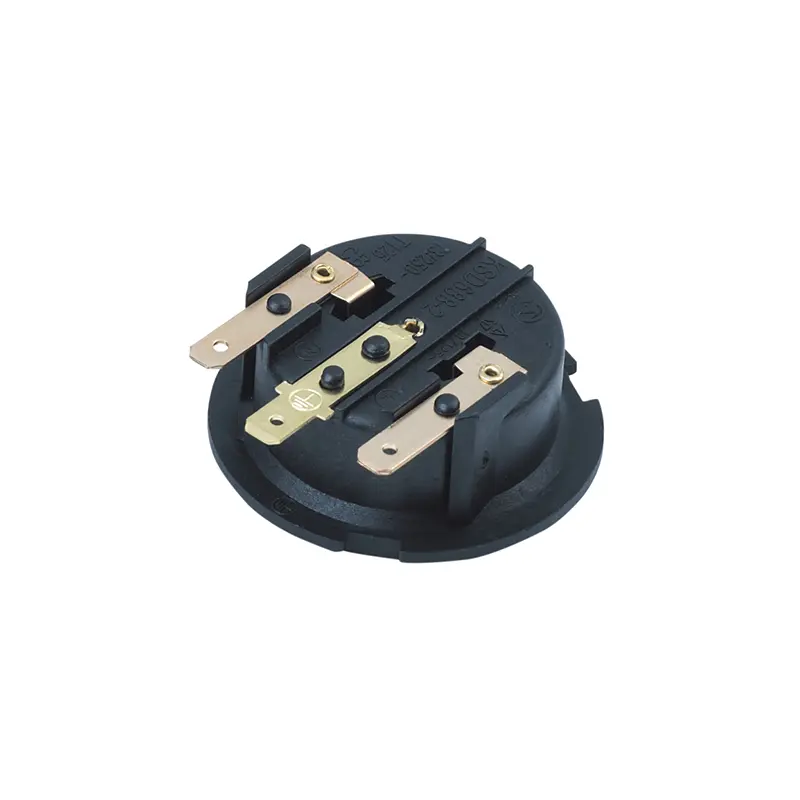
What Is a Coffee Maker Coupler?
Signs of a Damaged Coffee Maker Coupler
Causes of Coffee Maker Coupler Damage
How to Diagnose a Damaged Coffee Maker Coupler
Repairing or Replacing a Damaged Coffee Maker Coupler
Preventing Future Damage to Your Coffee Maker Coupler
Conclusion
FAQ
Introduction
A coffee maker is one of the most essential appliances in many households, offering a quick and convenient way to prepare your favorite brew. However, like any mechanical device, it can experience wear and tear over time. One of the most overlooked yet critical components in your coffee maker is the coupler. This small but important part connects the motor to the brewing system and plays a crucial role in the functioning of your coffee machine.
When the coffee maker coupler becomes damaged, it can lead to a series of issues, from poor performance to complete failure. Recognizing the signs of a damaged coupler early can help you save time, money, and prevent further damage to your coffee maker. In this article, we’ll explore the common signs of a damaged coffee maker coupler, discuss how to diagnose the issue, and provide tips on how to repair or replace the coupler.
Signs of a Damaged Coffee Maker Coupler
When your coffee maker coupler starts to fail, several symptoms may manifest. Being aware of these signs can help you identify the problem early and take the necessary actions to either repair or replace the coupler before more severe issues arise.
Difficulty Brewing Coffee
One of the first signs that the coffee maker coupler may be damaged is difficulty brewing coffee. If you notice that your coffee maker is taking longer than usual to brew or is not producing enough coffee, it could be an indication that the coupler is malfunctioning.
A damaged coupler may not properly connect the motor to the brewing components, causing the coffee maker to either run slowly or fail to brew coffee altogether. In some cases, the brewing process may begin, but it could stop prematurely, leaving you with an incomplete pot of coffee.
If this problem persists, it’s important to check the coupler for any visible damage or wear.
Loud or Unusual Noises
Another common sign of a damaged coffee maker coupler is the occurrence of loud or unusual noises during operation. If you hear grinding, buzzing, or screeching sounds coming from your coffee maker, the coupler could be slipping or misaligned. These noises typically indicate that the motor is not properly engaging with the brewing mechanism due to a faulty or worn coupler.
These sounds can become more pronounced over time, making the brewing experience more unpleasant. If ignored, these noises can lead to further damage in the motor or other internal components.
Leaking Water or Coffee Grounds
A leaking coffee maker is a clear indicator that something is wrong, and a damaged coupler could be the culprit. If you notice water or coffee grounds leaking from the machine during brewing, it could mean that the coupler is not properly engaging, causing the water to spill out from places where it shouldn't.
Leaks can also occur if the coupler has caused misalignment in the brewing system. As the coffee maker tries to work harder to complete the brewing process, the pressure may build up, resulting in leaks around the water reservoir or brewing basket.
The Coffee Maker Fails to Start
In some cases, the coffee maker coupler may be so damaged that the coffee maker refuses to start at all. If you press the start button, and the machine doesn't turn on or respond, it could be due to a broken or completely worn-out coupler. This happens because the motor, which is responsible for activating the coffee maker, cannot connect properly to the brewing components.
If your coffee maker was working fine before and suddenly refuses to turn on, the coupler should be checked immediately to determine if it is damaged.
Causes of Coffee Maker Coupler Damage
Understanding the causes of damage to the coffee maker coupler can help you prevent issues in the future and ensure your coffee maker lasts longer.
Regular Wear and Tear
Like any mechanical component, the coffee maker coupler is subject to wear and tear over time. With repeated use, the coupler may become worn down, cracked, or even break completely. This is a natural result of constant interaction with the motor and brewing system, which places stress on the coupler.
Regular maintenance and gentle handling can slow down this process, but eventually, the coupler will need to be replaced.
Improper Handling or Assembly
In some cases, improper handling or assembly of your coffee maker can lead to damage of the coupler. For example, if the coupler is not correctly aligned during assembly or reassembly, it may put extra strain on the component, leading to cracks or breakage.
It’s essential to follow the manufacturer’s instructions when assembling or disassembling your coffee maker to avoid causing damage to sensitive parts like the coupler.
Build-up of Coffee Grounds and Other Debris
Coffee makers, especially those that are used frequently, can accumulate coffee grounds and other debris inside the brewing system. Over time, this debris can create pressure on the coupler, causing it to break or become damaged. Regular cleaning and maintenance are necessary to prevent this build-up from affecting the performance of the coupler and other internal components.
How to Diagnose a Damaged Coffee Maker Coupler
Proper diagnosis of a damaged coffee maker coupler is essential to confirm that it is the root cause of the problem. Here are a few steps to help you diagnose a coupler issue:
Visual Inspection
Start by performing a visual inspection of the coupler. If the coupler is easily accessible, look for any cracks, wear, or misalignment. If you notice that the coupler has become dislodged or is not properly connected, that could be the source of the problem. Be sure to check both the motor and the brewing system to ensure the coupler is seated properly.
Operational Testing
After a visual inspection, it’s time to test the coffee maker. Plug in the machine and attempt to brew a cup of coffee. Listen carefully for any unusual sounds, such as grinding or buzzing, and observe whether the coffee maker is brewing properly. If the coupler is damaged, it may be difficult to complete the brewing cycle.
Advanced Diagnostic Techniques
If the basic tests don’t pinpoint the issue, you may need to use more advanced diagnostic techniques. For example, you can use a multimeter to check for continuity in the motor's electrical components or use a tool to check for misalignment in the internal parts.
Repairing or Replacing a Damaged Coffee Maker Coupler
Once you’ve confirmed that the coffee maker coupler is damaged, it’s time to consider your options for repair or replacement.
Can You Repair the Coupler Yourself?
In many cases, the coupler can be replaced with a new one. If you’re comfortable with basic mechanical work, replacing the coupler yourself can save money. Simply order a replacement coupler compatible with your coffee maker model and follow the manufacturer’s instructions for installation.
If you’re unsure how to proceed, there are plenty of instructional videos available online that can guide you through the process.
When to Seek Professional Help
If you’re not confident in your ability to repair the coffee maker coupler yourself or if the damage is more severe, it may be time to seek professional help. A certified technician can diagnose the problem more accurately and replace the damaged coupler without causing further issues.
Preventing Future Damage to Your Coffee Maker Coupler
Preventing future damage to your coffee maker coupler is key to prolonging the life of your coffee maker. Regular cleaning, careful handling, and following the manufacturer's guidelines can all help reduce the chances of premature coupler failure.
Conclusion
The coffee maker coupler is a crucial yet often overlooked component in your coffee maker. Recognizing the signs of damage early can save you time, money, and the hassle of dealing with a malfunctioning coffee machine. By understanding the common symptoms, causes of damage, and how to diagnose and repair the coupler, you can keep your coffee maker working smoothly for years to come.
FAQ
Q1: How often should I replace the coffee maker coupler?
A1: The coffee maker coupler typically lasts several years, but it may need replacement sooner depending on usage and maintenance. Regular inspection is recommended.
Q2: Can I use my coffee maker without the coupler?
A2: No, the coupler is essential for connecting the motor to the brewing system. Without it, the coffee maker cannot function.
Q3: How can I prevent my coffee maker coupler from getting damaged?
A3: Regularly clean your coffee maker, handle it carefully, and follow the manufacturer’s instructions for assembly and maintenance to prevent damage.
Q4: What are the costs of replacing a damaged coffee maker coupler?
A4: The cost of replacing a coffee maker coupler varies by model but typically ranges from $10 to $30 for the part, with additional fees for professional repair if needed.