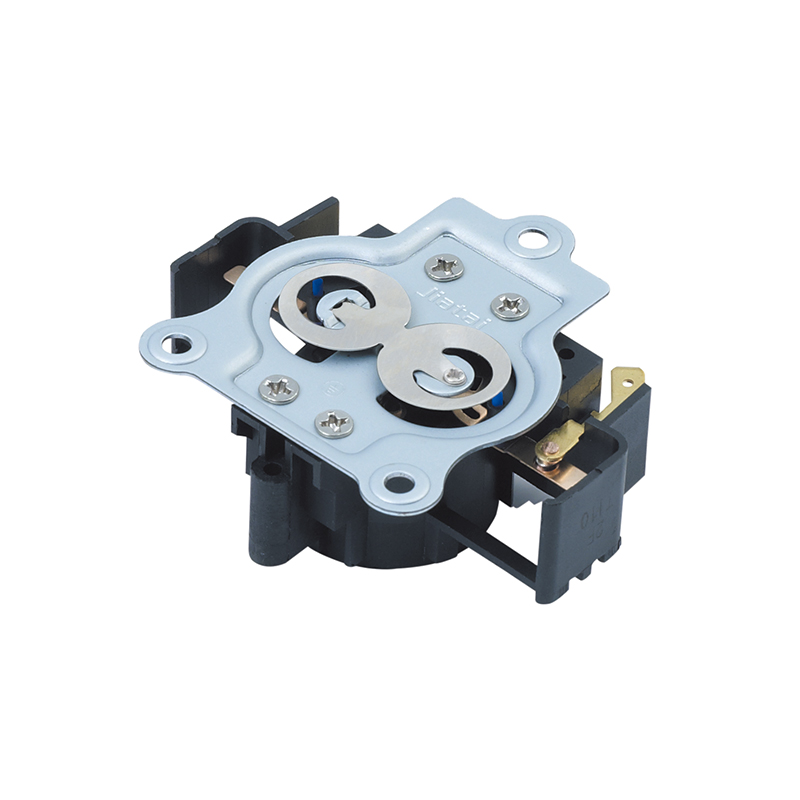
The thermostat represents the critical failure point inside any electric kettle. It acts as the primary safety component for the entire appliance. A single faulty mechanism quickly leads to product recalls. It creates dangerous safety hazards and causes permanent brand damage. You simply cannot afford to cut corners here.
China remains the undisputed global hub for small appliance components today. However, the market landscape is shifting rapidly. The performance gap between premium component engineers and low-tier assemblers continues to widen. Buyers face serious risks if they prioritize cheap unit prices over rigorous engineering standards.
Successfully navigating this supply chain requires a strict, evidence-based approach. You must look beyond simple quotes. You need to rigorously evaluate engineering tolerances, cycle-life data, and international compliance. In this guide, we will show you how to audit suppliers properly. You will learn to spot hidden risks and secure reliable partnerships.
Key Takeaways
Component Lifespan is Non-Negotiable: A standard reliable thermostat must demonstrably pass 10,000 to 12,000 lifecycle tests.
Certification is the Baseline, Not the Differentiator: True quality is proven through verifiable CE, CB, RoHS, and UL documentation tied directly to the manufacturer, not a trading company.
Tiered Solutions Match Brand Positioning: Sourcing strategies must align with your target market—deciding between imported standards (like Strix/Otter) assembled in China versus premium domestic OEM kettle thermostat alternatives.
Audit for Hidden Risks: Sub-tier raw material substitution (especially in bimetallic strips and housing plastics) is the most common cause of batch failures.
The Business Impact of Thermostat Selection on Your Brand
Many buyers make a critical mistake during procurement. They treat the thermostat as a simple, commoditized part. In reality, it serves as the core safety mechanism. Choosing substandard options drastically increases your recall probability. You risk exposing consumers to severe dangers. Brand reputation takes years to build. A single thermal failure can destroy it overnight. We highly recommend prioritizing engineering integrity above initial savings.
Dry-boil protection relies entirely on physical precision. The bimetallic disc inside the unit must respond instantly to temperature spikes. If it fails to flex at the exact boiling point, the kettle will melt. In worst-case scenarios, it will catch fire. This precision directly determines your product compliance across global safety standards. Reliable engineering prevents these catastrophic hazards. You protect your consumers and secure your market position simultaneously.
You must understand the mechanical limits of these safety devices. A high-quality thermal control unit acts as a fail-safe. It cuts power immediately when water levels drop too low. Inferior discs lose their calibration after just a few hundred uses. They degrade quickly under repeated thermal stress. Proper component selection guarantees your appliance will perform safely throughout its intended lifespan.
You must align your sourcing strategy directly to your target market. Deciding on the right OEM kettle thermostat requires understanding the three primary tiers available in China today. Each tier serves a specific business model. They vary wildly in cost, longevity, and marketing leverage.
Tier 1: Global Standard Equivalents
This tier includes Strix and Otter equivalents. Buyers specify these components for high-end consumer brands. They are mandatory for strict regulatory markets like the UK, EU, and US. These units command the highest cost. However, they guarantee absolute compliance. They also offer maximum marketing leverage. Many premium appliance brands proudly display "Strix Control" on their retail packaging. This builds immediate consumer trust.
Tier 2: Premium Domestic Chinese Manufacturers
These are high-quality domestic brands like Jiatai, Sunshine, or Fada. They offer exceptional value for mid-market brands. You can achieve 90% to 95% of Tier 1 performance here. Furthermore, you will see a 30% to 40% cost reduction. They are ideal for brands requiring durable solutions without the premium brand-name markup. These factories invest heavily in automated production. They maintain excellent compliance records.
Tier 3: White-Label Mass Market Options
These components are highly commoditized. They populate low-cost, low-voltage markets. These regions typically have minimal regulatory oversight. We strongly advise against using this tier. They are not recommended for brands prioritizing longevity. These units often fail quickly. They utilize recycled plastics and substandard metals. You should avoid them if you want to build a sustainable business.
OEM Thermostat Tier Comparison Chart
Supplier Tier
Target Market
Cost Level
Expected Lifespan
Safety Reliability
Tier 1 (Global Leaders)
Premium / UK / EU / US
Highest
12,000+ cycles
Exceptional
Tier 2 (Premium Domestic)
Mid-Market / Global
Moderate
10,000+ cycles
High
Tier 3 (White-Label)
Low-End / Unregulated
Lowest
< 3,000 cycles
Poor to Dangerous
Core Evaluation Dimensions for a Certified Kettle Thermostat Supplier
Partnering with a certified kettle thermostat supplier requires deep technical vetting. You must look past glossy marketing brochures. Instead, evaluate the raw material engineering, quality control infrastructure, and verifiable certification trails.
Material Engineering & Tolerances
The bimetallic strip acts as the brain of the thermostat. It senses temperature changes and triggers the power cut-off. Premium suppliers use high-grade alloys. These materials maintain strict calibration over thousands of cycles. Cheap alternatives lose their flex properties quickly. This leads to premature appliance death.
Housing materials matter just as much. You must verify the plastics used. High-temperature applications require specific flame-retardant polymers.
Bakelite: Offers excellent heat resistance and structural integrity.
Specialized Nylon: Provides good durability when properly engineered.
Recycled Plastics: Prone to melting, off-gassing, and catastrophic structural failure.
Testing & Quality Control Infrastructure
You cannot trust a supplier without in-house testing labs. A reputable factory runs continuous destructive testing on every batch. They require specialized rigs for steam testing and dry-burn simulations. They must execute rigorous lifecycle testing continuously.
Assembly methods also indicate quality. Automated assembly lines drastically outperform manual assembly. Microscopic calibration requires exact precision. Automation reduces human error significantly. Manual assembly introduces harmful variances between individual units.
Verifiable Certifications
Fake certificates flood the component market. You must verify authenticity directly. Cross-reference their ISO9001 factory audits. Contact TUV or SGS to validate their lab reports. A legitimate factory will provide original PDFs instantly. If they hesitate or offer blurry images, walk away immediately. Verify the company name on the certificate matches the factory you are paying.
Red Flags and Implementation Risks in the Supply Chain
Sourcing a reliable China kettle thermostat manufacturer is fraught with peril. You will encounter deceptive practices if you do not conduct strict due diligence. Awareness of these common red flags will save your product line.
Bait and Switch Materials
This remains the most prevalent scam in component sourcing. A supplier sends a flawless "golden sample" initially. This sample features premium copper contacts and flawless Bakelite. Once mass production begins, they swap materials secretly. They replace thick copper with cheap brass. They use thinner metal gauges. They inject recycled plastics into the molds. You only discover this when units fail in the field. You must combat this by establishing strict material tolerances in your contract.
Trading Companies Posing as Manufacturers
Many Alibaba listings belong to middlemen, not actual factories. They inflate prices and obscure quality control issues. You can identify the difference easily. Request their business licenses. Analyze their VAT invoices carefully. A true manufacturer has a massive factory footprint. Traders operate out of small office buildings. Ask for a live video tour of the assembly line. Traders will offer excuses. Real manufacturers will gladly show you their equipment.
IP and Patent Infringement
Western companies hold strict patents on thermal control designs. Strix and Otter aggressively protect their intellectual property. You must ensure the Chinese domestic design does not infringe on these patents. If you import infringing parts, customs agents will seize your entire inventory. This leads to massive financial losses. Always demand utility and design patent numbers from your supplier. Run a clearance check before placing any large orders.
Shortlisting Logic and Next Steps for Buyers
You must follow a systematic approach to secure your supply chain. We recommend adhering to this strict four-step shortlisting logic. It eliminates unreliable vendors early in the process.
Step 1: Request and Verify Documentation. Never enter price negotiations first. Demand their ISO 9001 certificate immediately. Ask for specific component compliance reports like CB, CE, and RoHS. Verify these documents independently through the issuing agencies.
Step 2: Sample Testing Protocol. Order initial samples directly. Do not test them yourself. Send them to a third-party QA firm located in China. Instruct them to perform destructive testing. They should execute dry-boil simulations and run 10,000+ cycle fatigue tests.
Step 3: Factory Audit Execution. Hire an independent auditor. Send them to the factory floor. They must verify production capacity firsthand. They should inspect the automated calibration equipment. They must also examine the raw material storage areas for unauthorized substitutions.
Step 4: Trial Order Structuring. Negotiate a small Initial Order Quantity (IOQ). Keep it manageable. Write strict defect-rate penalties directly into your purchasing contract. This forces the supplier to maintain quality during the critical first run.
By enforcing these steps, you maintain total control. You set clear expectations. Suppliers will respect your professionalism. They will assign their best engineers to your account. This framework guarantees long-term manufacturing success.
Conclusion
Sourcing your thermal components from China requires a highly strategic mindset. This singular decision dictates the safety of your entire appliance line. It determines your market viability and protects your brand equity. You must treat this component as the foundation of your product.
We strongly recommend prioritizing engineering integrity above all else. Seek out suppliers utilizing automated calibration lines. Demand transparent, third-party testing protocols. Require verifiable international certifications for every batch. Always choose structural reliability over the lowest unit price. Taking these calculated steps ensures your electric kettles perform safely for years.
FAQ
Q: What is the standard lifespan of an OEM kettle thermostat?
A: Typically 10,000 to 12,000 cycles for premium components; inferior parts may fail under 3,000 cycles.
Q: How can I verify if a certified kettle thermostat supplier is not infringing on global patents?
A: Require the supplier to provide their own patent numbers (utility or design) and have a third-party IP lawyer or sourcing agent in China run a clearance check.
Q: What is a typical Minimum Order Quantity (MOQ) for custom thermostats?
A: Standard MOQs range from 5,000 to 10,000 units, though some factories accept smaller trial runs (2,000-3,000) for strategic B2B partnerships.
Q: How long does mass production typically take?
A: Standard lead times are 25 to 40 days depending on raw material availability and the supplier's production backlog.