Meeting international appliance standards is not just a regulatory hurdle. It serves as a critical gateway for global market access. It also acts as your primary risk mitigation strategy against dangerous product recalls. Many manufacturers struggle during final laboratory testing. Passing these stringent tests depends heavily on the baseline quality of internal electrical components. You cannot rely on post-assembly retrofits to fix core safety flaws. Attempting such quick fixes often leads to costly production delays and redesigns.
This guide provides procurement, engineering, and compliance teams with a clear evaluation framework. You will learn how to select reliable internal parts. We focus on evaluating switches, bases, and redundant safety mechanisms. Applying this knowledge helps you secure IEC 60335 electric kettle safety certification seamlessly. By prioritizing component quality early, you protect your brand reputation. You also ensure your appliances perform safely under both normal and abnormal conditions.
Sourcing pre-certified components (such as an electric kettle coupler or kettle temperature controller) accelerates the CB Scheme certification process and reduces lab testing bottlenecks.
Balancing component cost with certified reliability directly impacts total time-to-market and lifetime warranty costs.
The Commercial Stakes of IEC 60335-1 and 60335-2-15 Compliance
Appliance safety testing relies on an interconnected framework. IEC 60335-1 covers general household safety requirements. It defines baseline electrical insulation and mechanical strength rules. Meanwhile, IEC 60335-2-15 outlines particular requirements for heating liquids. It sets specific parameters for devices boiling water. These two standards work together. They ensure consumers remain safe from electric shocks, fires, and scalding hazards.
Adhering to these standards unlocks global markets. The IECEE CB Scheme uses these IEC standards as its foundation. A successful test yields a CB Test Certificate. You can then use this certificate to obtain national approvals in over 50 member countries. This process eliminates redundant testing. It accelerates your international rollout significantly.
However, ignoring compliance carries massive financial risks. Non-compliance leads to several severe consequences. First, you face delayed product launches. Retailers refuse uncertified appliances. Second, you incur expensive re-testing fees. Testing labs like UL, Intertek, or TUV charge thousands of dollars per test cycle. Failing multiple times destroys your R&D budget. Finally, you risk catastrophic brand damage. Post-market safety recalls destroy consumer trust. They also invite heavy legal liabilities. Investing in compliant components upfront prevents these expensive disasters.
Core IEC 60335 Test Scenarios That Expose Component Weaknesses
Certification laboratories push appliances to their absolute limits. They use specific test clauses to expose weak internal components. Understanding these tests helps you source better parts.
Heating and Temperature Rise (Clause 11): This test evaluates normal operation. Laboratories measure the appliance as it boils water repeatedly. They check the temperature of the handles, enclosures, and internal wiring. Components must operate without exceeding safe temperature thresholds. Poorly designed parts cause excessive localized heating. This leads to immediate failure.
Abnormal Operation (Clause 19): Labs simulate worst-case user errors. The most common error involves operating the appliance empty. This "dry boil" scenario removes water as a heat sink. Internal temperatures spike rapidly. Safety mechanisms must trigger instantly to prevent fires.
Endurance and Mechanical Hazard (Clauses 18 & 22): These tests focus on physical stress. Evaluators continuously actuate switches. They also test cordless bases through thousands of mating cycles. The appliance must withstand standard wear and tear safely. Fragile plastics or weak metal contacts fail this phase.
Spillage and Moisture Resistance (Clause 15): Boiling water occasionally spills over. Users also wash appliances carelessly. This clause evaluates electrical insulation under moisture ingress. Evaluators pour saline solutions over the unit. They then check for short circuits or leakage currents. Proper component shrouding prevents water from bridging live electrical contacts.
What to watch out for: Many engineers assume passing Clause 11 guarantees success. However, Clause 19 and Clause 15 usually cause the most certification failures. Always evaluate components against these extreme conditions.
Evaluating an Electric Kettle Thermostat for Compliance and Longevity
The primary control switch defines the daily user experience. It must perform flawlessly over thousands of boiling cycles. You need to evaluate this component rigorously before integrating it into your design.
Precision and Tolerance
A reliable electric kettle thermostat requires exact precision. It must maintain accurate shut-off temperatures. At sea level, this typically means triggering exactly at 100°C. The standard demands strict tolerance. If the switch triggers too early, consumers complain about unboiled water. If it triggers too late, boiling water spills out. The switch must not suffer premature degradation. It should hold its calibration after months of daily use.
Bimetallic Disc Reliability
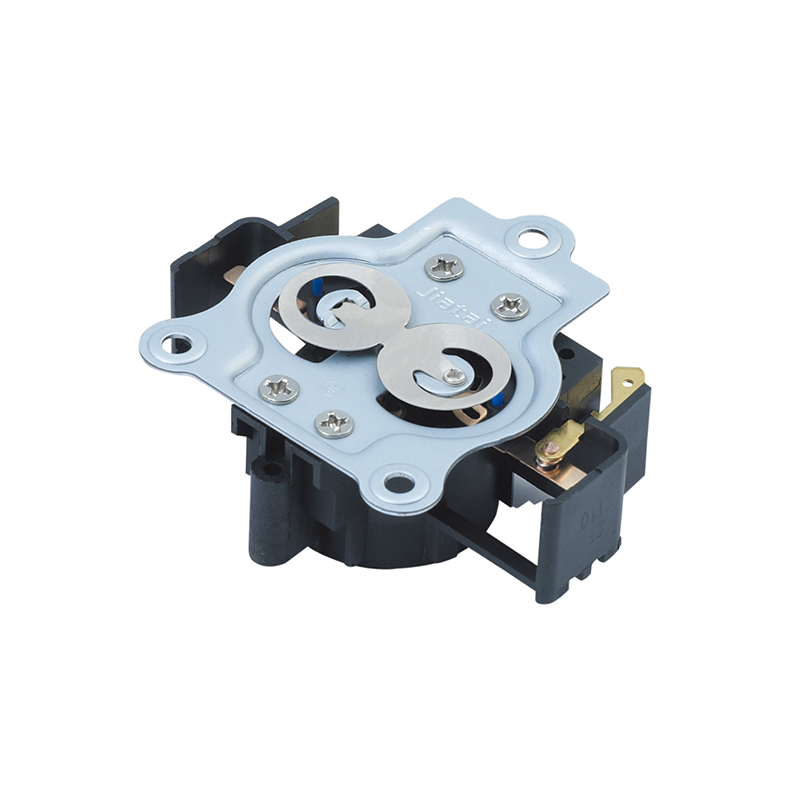
Most switches use a bimetallic disc. This disc snaps open when it reaches a specific temperature. Material quality dictates its success. Cheap alloys suffer from thermal fatigue. They lose their snap-action speed over time. High-quality discs ensure actuation consistency. They easily pass IEC thermal cycling requirements. When evaluating suppliers, request specific data on the bimetal composition.
Integration with the Heating Element
Engineering the thermal transfer path matters greatly. The heating plate must transfer heat efficiently to the kettle temperature controller. Poor integration causes localized overheating. It also delays the switch's response time. You must ensure flush mounting. Use appropriate thermal pastes if required by the design. Tight tolerances between the heater and the sensor prevent erratic behavior.
Shortlisting Logic
Always demand extensive supplier test reports. Do not accept baseline minimums. If the IEC standard requires 10,000 cycles, look for components tested to 30,000 cycles. Continuous operational lifespans should exceed regulatory demands. This provides a crucial safety margin during official lab testing.
Evaluation Criteria
Minimum Standard Acceptable
Best Practice for Long-Term Reliability
Cycle Endurance
10,000 actuations
> 30,000 actuations under load
Tolerance Drift
± 5°C over lifespan
± 2°C over lifespan
Material Composition
Standard commercial bimetal
High-grade imported bimetal alloy
The Role of Dry Boil Protection in Passing Abnormal Operation Tests
Standard temperature controllers handle normal boiling. But what happens when things go wrong? IEC 60335-2-15 requires redundant safety mechanisms. You must assume the primary controller will eventually fail. When it does, a secondary system must take over. This is the compliance mandate for abnormal operation.
Evaluating the Dry Boil Mechanism
You must scrutinize the thermal response time of your secondary safety mechanism. If a user turns on an empty appliance, the heating element temperature skyrockets instantly. The backup system must cut power rapidly. It must act before the plastic enclosure melts. It must act before any fire hazards occur. A slow response results in a spectacular failure during Clause 19 testing.
When selecting a dry boil protection thermostat, engineers often compare different reset styles. Self-resetting mechanisms cool down and close the circuit again automatically. Manual-reset mechanisms require the user to physically press a button to restore power. The standard allows specific configurations depending on the appliance design. However, manual-reset options often provide clearer physical feedback to the user regarding the fault condition.
Implementation Risks
Sourcing cheap materials presents severe dangers. Low-grade bimetal suffers heavily from "thermal fatigue." Repeated dry boil incidents stress the metal molecularly. Eventually, the backup disc refuses to snap. This leads to total failure during certification lab testing. Always verify the backup mechanism uses robust, high-stress alloys. Do not cut corners on redundancy.
Common Mistake: Relying on a single bimetal disc to handle both normal boiling and dry boil protection. IEC standards strictly mandate independent, dual-layer redundancy for liquid heaters.
Selecting an Electric Kettle Coupler for Electrical Integrity
The cordless base interface experiences intense mechanical abuse. Consumers slam the appliance down onto the base daily. They twist it, pull it, and spill liquids on it. The interface must survive all of this safely.
Mechanical Endurance Framework
Labs test the electric kettle coupler rigorously. They focus on safe insertion and withdrawal under full electrical load. The IEC requirement typically mandates 10,000 or more mating cycles. The plastic housing must not crack. The internal brass pins must not lose their spring tension. Loose pins create electrical arcing, which leads to immediate fire risks.
Spillage and Short-Circuit Prevention
Clause 15 moisture resistance tests demand careful design. Top-tier connectors integrate water-shedding designs. They feature drainage channels to route spilled water away from live pins. Furthermore, they use shrouded pins. Deep plastic shrouds prevent liquids from bridging the live and neutral terminals. If water penetrates the housing, the component fails the standard immediately.
Grounding and Earth Continuity
Robust earth connection provides critical compliance. The grounding system must engage first during insertion. It must also disengage last during withdrawal. This sequential action protects the user. If a short circuit occurs while lifting the appliance, the earth connection safely routes the current away. You must inspect the earth pin length and spring strength carefully.
Decision Matrix for Buyers
Do not test unproven base connectors in your final appliance. Instead, look for connectors carrying independent certification marks. VDE, TUV, UL, and CQC marks indicate the part already passed rigorous standalone testing. Using pre-approved connectors streamlines your final appliance certification immensely. It removes a major variable from the testing equation.
Component Sourcing Logic: De-risking Your Global Market Rollout
Procurement teams face constant pressure to lower costs. However, buying cheap, unverified parts creates hidden downstream expenses. You need a strategic sourcing logic to de-risk your market rollout.
Pre-certified vs. Uncertified Components
You must quantify the true Return on Investment (ROI). Purchasing pre-certified components costs slightly more per unit. However, they hold existing IEC-compliant data. This saves you weeks of lab time. Conversely, unverified cheap parts carry hidden costs. If they fail during appliance-level testing, you pay for lab re-tests. You also pay for redesign engineering hours. The delay in market entry costs you lost sales.
Sourcing Strategy
Upfront Cost
Certification Risk
Time to Market Impact
Pre-certified Components
Moderate to High
Very Low
Accelerated (Fewer lab delays)
Uncertified Components
Low
Extremely High
Delayed (High probability of re-testing)
Supplier Auditing Framework
You need a strict vetting process for component manufacturers. Follow these steps when onboarding a new supplier:
Verify factory ISO 9001 credentials: Ensure their quality management system actually functions. Request their latest audit reports.
Demand comprehensive documentation: Ask for Material Safety Data Sheets (MSDS). Require strict RoHS and REACH compliance documentation alongside their IEC data.
Evaluate in-house laboratory capabilities: Ask if they pre-test components to IEC standards before shipping. Suppliers with internal test benches catch defects early. They do not rely on you to find their manufacturing errors.
Next-Step Actions
Establish a rigorous prototype testing phase protocol. Do not send your first prototype straight to UL or Intertek. Instead, run sub-assembly components through localized thermal and electrical stress tests. Build an internal test jig. Simulate dry boiling and spillage in your own facility. Catch the obvious failures internally prior to official third-party submission. This saves both time and testing fees.
Conclusion
Achieving appliance safety certification is not merely a final assembly testing phase. It is an exercise in rigorous supply chain and component evaluation. Your final product is only as strong as its weakest internal switch. By understanding the core test clauses, you can anticipate failure points early in the design cycle.
Prioritizing high-quality primary switches, robust dry-boil protectors, and reliable base connectors remains your best strategy. Pre-certified parts offer the most predictable path forward. They ensure swift certification and secure your global market access. Ultimately, investing in component reliability protects your bottom line and safeguards your brand reputation against costly recalls.
FAQ
Q: Does using an IEC-certified electric kettle coupler guarantee my appliance will pass IEC 60335?
A: No. While pre-certified components significantly reduce risk and testing time, the final certification evaluates the appliance as a whole system. Labs test wiring routing, enclosure materials, and overall assembly quality alongside the pre-certified parts.
Q: What is the difference between the primary kettle temperature controller and a dry boil protection thermostat?
A: The primary controller manages normal operation, shutting power off precisely at the boiling point. The dry boil thermostat acts as a secondary, fail-safe cutoff mechanism. It activates only under abnormal conditions, like operating with no water, to prevent fire hazards.
Q: How often are IEC 60335-2-15 standards updated, and how does it affect component sourcing?
A: Standards undergo periodic amendments to address new safety concerns or smart appliance features. Sourcing from manufacturers actively involved in international testing schemes ensures your components remain compliant with transition periods and new enforcement dates.