Electric kettles are a staple in most households, providing a fast and convenient way to heat water. At the heart of the kettle’s operation is the Electric Kettle Thermostat, a key component that controls the temperature of the water. The thermostat ensures that the water heats up to the desired level, preventing overheating or boiling dry, which could lead to safety hazards.
Testing is an essential part of the manufacturing process for Electric Kettle Thermostats. Without rigorous testing, there is a risk that the thermostat could fail, leading to dangerous situations such as fires or electrical malfunctions. A thermostat that is improperly calibrated could either overheat the water or fail to heat it to the required temperature, undermining the appliance’s functionality and safety. Therefore, testing ensures that the thermostat operates within defined limits to guarantee both safety and performance.
Each test performed is designed to mimic real-world conditions, evaluating the thermostat's ability to handle continuous use, environmental fluctuations, and electrical challenges. These tests confirm that the thermostat will not only perform accurately but also last for the long term, ensuring the safety and reliability of electric kettles.
1. The Testing Process for Electric Kettle Thermostats: An Overview
Purpose and Scope of Testing
The purpose of testing Electric Kettle Thermostats is to ensure that they are both functional and safe under all circumstances. The thermostat plays a crucial role in controlling the temperature of the water, and any malfunction could result in significant safety issues, including electrical failures or overheating. Therefore, manufacturers must subject thermostats to a series of comprehensive tests that address every aspect of their performance.
The scope of thermostat testing includes a variety of conditions, from extreme temperatures to electrical surges, and aims to ensure that the thermostat performs as expected under these conditions. The objective is to test not only for functionality but also for safety, ensuring the thermostat can withstand unexpected electrical disturbances or environmental factors without compromising user safety.
Key Testing Parameters
Testing Parameter | Description |
Temperature Accuracy | Evaluates the ability of the thermostat to maintain precise temperature regulation, preventing overheating. |
Durability | Tests the thermostat’s endurance, including how well it functions after continuous use and exposure to external stressors. |
Electrical Safety | Assesses the thermostat’s ability to handle electrical surges, ensuring it does not cause electrical failures or fires. |
Corrosion Resistance | Ensures the thermostat is able to resist corrosion, particularly in high-humidity environments such as kitchens. |
These tests are comprehensive and designed to simulate real-world challenges that the thermostat may face, ensuring it performs reliably for the long term.
2. Testing for Durability and Corrosion Resistance
Salt Spray Testing for Electric Kettle Thermostats
One of the key tests for Electric Kettle Thermostats is salt spray testing, which simulates long-term exposure to salty air and high humidity. Salt spray testing is particularly important for thermostats used in environments like kitchens, where moisture and corrosion can have a significant impact on electronic components. The salt fog used in the test mimics the conditions that thermostats may face when exposed to steam, water, or high-humidity environments.
The test chamber is carefully controlled to spray a fine mist of salt water onto the thermostat, and the thermostat is subjected to this environment for an extended period, typically 48 to 96 hours. During this time, any corrosion or material degradation is monitored closely. This ensures that thermostats are durable enough to function properly even when exposed to moisture and corrosive elements.
Why Corrosion Resistance is Important
As electric kettles are often used in high-humidity areas, it is essential for the Electric Kettle Thermostat to resist corrosion caused by moisture. The corrosion resistance testing is essential because a thermostat that succumbs to rust or material degradation could fail, leading to potential safety hazards like electrical shorts, failure to shut off, or even fires. Therefore, ensuring the thermostat is corrosion-resistant is critical for both performance and safety.
Salt Spray Testing Process
Preparation: The thermostat is placed in a chamber that is designed to create an artificially corrosive environment through the use of saltwater mist.
Test Duration: The thermostat is exposed to the mist for up to 96 hours, depending on the specifications of the test.
Evaluation: After the test, the thermostat is carefully inspected for signs of rust, corrosion, or material degradation. If the thermostat shows minimal signs of wear, it passes the test, confirming its durability.
3. Electrical Performance and High-Voltage Endurance
High-Voltage Testing for Safety
The electrical safety of the Electric Kettle Thermostat is tested under high-voltage conditions. This is crucial for ensuring that the thermostat can handle unexpected electrical surges without compromising its functionality or safety. High-voltage testing is designed to evaluate how well the thermostat can withstand power fluctuations, which are common in households due to power grid disturbances or surges.
During high-voltage testing, the thermostat is exposed to voltages that exceed normal operating levels. The thermostat must not only tolerate these conditions but also function properly without triggering electrical failures or short circuits.
How High-Voltage Testing Works:
Simulation of Power Surges: The thermostat is subjected to a series of electrical pulses that simulate power surges.
Functional Testing: The thermostat must maintain its operational integrity during the surges, including turning off at the correct temperature and not causing any damage to the kettle.
Safety Mechanisms: If the thermostat detects a dangerous electrical surge, it must trigger a safety cutoff to protect both the user and the appliance from damage.
Electromagnetic Compatibility (EMC) Testing
EMC testing ensures that the Electric Kettle Thermostat does not emit electromagnetic interference (EMI) that could potentially disrupt the operation of other household devices. Given the widespread use of electronic devices in modern homes, ensuring that the thermostat does not interfere with other appliances is vital for maintaining device reliability.
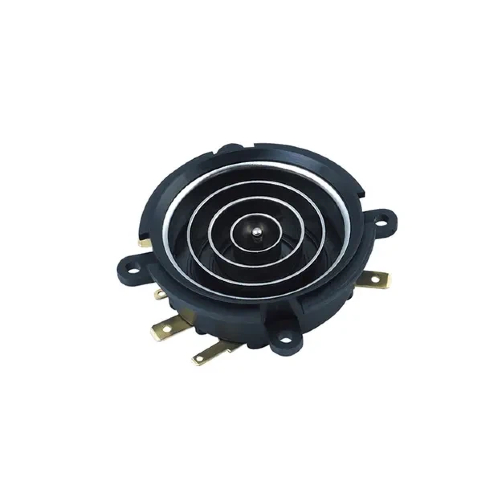
4. Temperature Sensitivity and Accuracy in Real-World Conditions
Precision Testing: The Heart of Electric Kettle Thermostat Performance
The accuracy of the Electric Kettle Thermostat in regulating temperature is essential. Precision testing evaluates the thermostat's ability to maintain the temperature within a narrow range, preventing overheating and underheating. These tests are performed using a calibration device that can measure and compare the thermostat’s temperature control performance.
How Precision Testing Works:
Thermostat Calibration: The thermostat is calibrated to ensure it cuts off power at the desired temperature, typically 100°C for boiling water.
Environmental Simulations: The thermostat is tested under varying environmental conditions, including different room temperatures and humidity levels, to ensure it functions correctly in real-world settings.
Test Condition | Impact on Temperature Regulation |
High Ambient Temperature | Can affect thermostat accuracy, causing premature cutoff. |
High Humidity | Can lead to inaccurate temperature readings due to moisture buildup. |
Frequent Heating and Cooling | Tests the thermostat’s durability under repeated use. |
By testing the thermostat under these different conditions, manufacturers ensure that the thermostat will maintain its temperature accuracy regardless of environmental variations.
5. Testing for Compliance with Global Standards
International Testing Standards for Electric Kettle Thermostats
Compliance with international safety standards is crucial for thermostats used in electric kettles. These standards are set by various regulatory bodies to ensure that thermostats meet strict safety, health, and environmental requirements. Key standards include:
Standard | Purpose |
UL (Underwriters Laboratories) | Ensures that products meet safety criteria for fire, electrical, and mechanical risks. |
CE (Conformité Européene) | Certifies that the product complies with European safety, health, and environmental regulations. |
RoHS (Restriction of Hazardous Substances) | Limits the use of certain hazardous materials in the production of electronic goods. |
Key Certifications for Electric Kettle Thermostats
In addition to safety standards, Electric Kettle Thermostats must also meet environmental and electrical regulations. Certifications such as UL and CE confirm that thermostats have undergone rigorous testing for electrical safety, ensuring they are safe for consumer use.
6. Conclusion
Rigorous testing is essential to guarantee the safety, accuracy, and durability of Electric Kettle Thermostats. At Zhejiang Jiatai Electrical Appliance Manufacturing Co., Ltd., we conduct thorough tests, including salt spray for corrosion resistance, high-voltage endurance for electrical safety, and precision calibration to ensure accurate temperature regulation. These extensive procedures ensure that our thermostats meet the highest performance standards, allowing them to operate reliably in everyday household environments.
Our commitment to quality ensures that consumers can rely on our thermostats for safe, efficient, and long-lasting performance. If you're looking for dependable and high-quality thermostats for electric kettles, we invite you to explore more about our products and services. At Zhejiang Jiatai Electrical Appliance Manufacturing Co., Ltd., we are dedicated to providing top-tier solutions, and our team is ready to assist you. Feel free to contact us to discover how we can help meet your specific needs and provide the best in temperature control for your products.
7. FAQ
1. What is salt spray testing, and why is it important for Electric Kettle Thermostats?
Salt spray testing evaluates the thermostat’s resistance to corrosion, ensuring it functions effectively even in high-humidity environments, like kitchens.
2. How does high-voltage testing ensure safety in Electric Kettle Thermostats?
High-voltage testing simulates electrical power surges, ensuring the thermostat can handle these surges without failing, thereby preventing potential electrical hazards.
3. Why is temperature accuracy so important for Electric Kettle Thermostats?
Accurate temperature regulation is essential to ensure the kettle heats water to the desired level, preventing both overheating and underheating, which could compromise performance.
4. What global standards must Electric Kettle Thermostats comply with?
Electric Kettle Thermostats must meet UL, CE, and RoHS standards to ensure their safety, environmental compliance, and electrical reliability.
5. How does testing impact consumer safety?
Rigorous testing guarantees that Electric Kettle Thermostats meet the highest standards for safety and functionality, protecting consumers from potential overheating, electrical malfunctions, or other safety risks.