Electric kettles have become a staple in kitchens across the world due to their convenience and speed in boiling water. However, many users face issues with their kettles, especially cheap models that fail to stop boiling. The root cause of this problem often lies in the Electric Kettle Thermostat and its associated steam switch mechanism. This article delves into the importance of a reliable thermostat, why cheap kettles fail to stop boiling, and the potential consequences of such failures.
An electric kettle thermostat regulates the water temperature to ensure the device operates safely and efficiently. Unfortunately, many lower-end models use substandard thermostats, which leads to steam switch failure, resulting in the kettle continuing to boil even after the water reaches its boiling point.
In this article, we will explore the working mechanism of electric kettle thermostats, the consequences of their failure, and how investing in quality thermostats can help prevent such issues.
1. Understanding the Role of Electric Kettle Thermostat
What Is an Electric Kettle Thermostat?
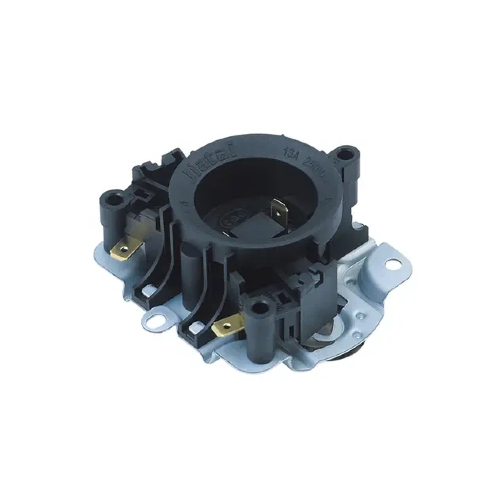
An Electric Kettle Thermostat is a temperature-regulating device responsible for controlling the heating element in an electric kettle. It works by sensing the temperature of the water inside the kettle and switching off the power supply to the heating element once the water reaches a predefined temperature—typically the boiling point of 100°C (212°F).
The primary function of the thermostat is to ensure the kettle does not overheat, boil dry, or continue boiling unnecessarily, which can lead to energy wastage and safety hazards.
How Does an Electric Kettle Thermostat Work?
The thermostat in an electric kettle works using a temperature sensor that is often built into the heating element. This sensor detects the water temperature and sends a signal to the thermostat to turn off the heating element once the water reaches the desired temperature.
In the case of a steam switch mechanism, the thermostat typically works in tandem with a switch that detects the release of steam. Once the steam starts flowing, it triggers the switch to turn off the heating element.
How Electric Kettle Thermostats Ensure Safety
Overheat Protection: The thermostat prevents the kettle from overheating by automatically switching off the heating element when the water reaches the boiling point. This is critical to avoid damage to the kettle or surrounding surfaces.
Dry Boil Prevention: A quality thermostat will also prevent the kettle from boiling when there is insufficient water, which can damage the heating element.
Energy Efficiency: By stopping the heating process once the water has reached boiling point, the thermostat helps save energy and reduce unnecessary power consumption.
2. How Cheap Electric Kettles Handle Steam Switch Mechanisms
Steam Switch Functionality in Kettles
The steam switch is an important feature in modern electric kettles. It works by detecting the release of steam when the water reaches its boiling point. As soon as steam is detected, the steam switch sends a signal to the thermostat to turn off the kettle.
In high-quality electric kettles, the steam switch and thermostat are designed to work seamlessly together. The thermostat will ensure that the kettle shuts off once the water is fully boiled, preventing further boiling and reducing energy wastage.
How Cheap Electric Kettles Fail to Handle Steam Switch Mechanisms
In cheap electric kettles, the steam switch often fails due to poor quality materials and inaccurate temperature readings. This can happen for several reasons:
Inaccurate Thermostat: Low-end thermostats may not be able to detect the correct water temperature, which can result in the kettle continuing to boil even after it has reached boiling point.
Poor Steam Switch Design: The steam switch may not activate properly or may be triggered at the wrong time, causing the kettle to keep boiling.
Inferior Quality Components: Cheap kettles often use low-quality components that are prone to failure, such as unreliable sensors and poorly calibrated thermostats.
3. Common Failures in Cheap Kettles’ Steam Switch Mechanisms
Why Do Cheap Kettles Fail to Stop Boiling?
Cheap kettles tend to fail in their steam switch mechanisms for a variety of reasons, including:
Low-Quality Thermostats: As mentioned earlier, substandard thermostats used in cheap kettles fail to detect the boiling point accurately, causing the heating element to stay on even after the water reaches the boiling point.
Poor Calibration of Sensors: Low-quality sensors may not detect the steam or water temperature correctly, leading to improper functioning of the steam switch.
Lack of Overheat Protection: Many inexpensive kettles lack proper overheat protection, which can lead to the kettle continuing to boil, even in the absence of steam.
The Importance of a Reliable Thermostat for Effective Steam Switch Function
A reliable electric kettle thermostat is essential for the proper functioning of the steam switch. When both components work in harmony, the kettle will automatically shut off once boiling occurs, preventing excessive boiling and ensuring safety.
Cheap kettles with inaccurate thermostats may fail to turn off when boiling is complete, leading to steam switch failure. This is especially common in lower-end models that use low-quality thermostats or poorly designed steam switches.
4. The Consequences of Steam Switch Failure
Overheating and Safety Risks
One of the most significant consequences of steam switch failure in cheap kettles is overheating. When a kettle lacks an accurate thermostat, the heating element remains active even after the water has boiled. This continuous heating causes the water to evaporate, leading to the possibility of dry boiling, which can damage the kettle’s internal components. Prolonged overheating may cause the kettle’s exterior or internal parts to become excessively hot, posing serious safety risks, including the potential for burns or even fires. In extreme cases, the failure to stop boiling could result in the kettle catching fire, creating significant hazards for anyone in proximity.
Energy Wastage and Damage
Another major concern is energy wastage. When the kettle fails to stop boiling, it continues to consume electricity, even though the water has already reached the desired temperature. This leads to unnecessary energy consumption, which not only increases electricity bills but also places a strain on the appliance's components. The extra wear and tear from constant overheating can result in a shorter lifespan for the kettle. Over time, this damage can accumulate, causing the kettle to deteriorate faster, leading to more frequent repairs or the need for complete replacements. A faulty thermostat, which is often the cause of steam switch failure, accelerates this process, making it a costly issue to ignore.
5. How Quality Electric Kettle Thermostats Prevent Steam Switch Failure
High-Quality Thermostats and Their Benefits
Investing in a high-quality thermostat can significantly reduce the likelihood of steam switch failure. Some key benefits include:
Accurate Temperature Control: High-quality thermostats provide precise temperature regulation, ensuring that the kettle turns off at the right time.
Reliable Steam Switch Activation: A good thermostat ensures that the steam switch is activated when the water reaches boiling point, preventing overheating and ensuring efficient performance.
Durability: Quality thermostats are built to last, reducing the likelihood of malfunctions and improving the overall lifespan of the kettle.
How a Quality Thermostat Works to Prevent Failures
Feature | Cheap Kettle Thermostat | Quality Kettle Thermostat |
Temperature Accuracy | Low Accuracy | High Accuracy |
Steam Switch Activation | Delayed/Failed Activation | Timely Activation |
Overheat Protection | Poor/No Protection | Strong Protection |
Energy Efficiency | Wastes Energy | Saves Energy |
Durability | Short Lifespan | Long Lifespan |
6. Conclusion
Investing in a high-quality electric kettle thermostat is crucial to ensure the proper functioning of your kettle’s steam switch and overall safety. Cheap kettles often fail to stop boiling due to low-quality thermostats and steam switches, which can result in safety hazards, energy wastage, and potential damage to the appliance.
At Zhejiang Jiatai Electrical Appliance Manufacturing Co., Ltd., we specialize in producing reliable electric kettle thermostats designed to meet the highest standards of accuracy and safety. Our thermostats work seamlessly with steam switch mechanisms to prevent overheating and ensure optimal performance, saving energy and extending the lifespan of your kettle.
By choosing our high-quality thermostats, you can rest assured that your kettle will operate efficiently, safely, and last longer. We are committed to providing the best solutions for your electric appliance needs. Contact us today to learn more about how our products can benefit your business and customers.
7. FAQ
Q1: What is an Electric Kettle Thermostat and how does it work?
An Electric Kettle Thermostat regulates the temperature of the water in the kettle. It automatically turns off the heating element once the water reaches its boiling point, preventing overheating and ensuring safety.
Q2: Why do some cheap kettles fail to stop boiling?
Cheap kettles often fail due to inaccurate thermostats or poorly designed steam switches. These components may fail to detect the boiling point, causing the kettle to continue boiling.
Q3: Can a faulty thermostat cause a kettle to overheat?
Yes, a faulty thermostat can cause the heating element to stay on even after the water has boiled, leading to overheating, energy wastage, and possible damage to the kettle.
Q4: How can I prevent steam switch failure in my kettle?
To prevent steam switch failure, invest in a high-quality electric kettle with a reliable thermostat. Premium models feature accurate thermostats that help the steam switch function correctly.
Q5: What are the risks of using a kettle with a faulty steam switch?
Using a kettle with a faulty steam switch can result in overheating, energy wastage, and potential damage to the appliance. In extreme cases, it can lead to safety hazards like fire or burns.