
China Electrical Mechanical Thermostat Supplier
Precision temperature regulation is the backbone of countless industrial processes, commercial refrigeration systems, and heating applications. An Electrical Mechanical Thermostat stands as one of the most reliable, easy-to-use, and cost-effective solutions for maintaining consistent temperatures without the need for complex digital programming. Unlike electronic controllers that can suffer from software glitches or electromagnetic interference, an electrical mechanical thermostat operates through proven physical principles—bimetal strips, capillary tubes with liquid-filled sensors, and snap-action contacts—that ensure decades of dependable service. At JIATAI, we engineer these robust devices to meet demanding specifications, offering a wide range of configurations suitable for HVAC systems, cold storage rooms, industrial ovens, coffee machines, and agricultural incubators.
Construction and Material Advantages
JIATAI electrical mechanical thermostats are built with longevity in mind. The primary switching contacts are fabricated from silver-cadmium oxide or silver-tin oxide, offering excellent arc suppression and minimal welding tendency. The bimetal elements are precisely calibrated during manufacturing using laser trimming, guaranteeing consistent trip points. For capillary units, the sensing bulb is crafted from stainless steel or copper, and the capillary tubing is armored with flexible stainless steel braiding or PVC jacket. The housings range from flame-retardant thermoplastic to die-cast aluminum, depending on the environmental requirements. Every unit undergoes 100% functional testing at the JIATAI factory, including temperature accuracy verification in controlled oil baths or air chambers.
Installation and Wiring Essentials
Proper installation directly impacts performance and safety. When installing a JIATAI electrical mechanical thermostat, ensure the sensor element is fully immersed in the medium being controlled, or make firm surface contact using thermal paste. For capillary types, avoid kinking or flattening the capillary tube during routing, as this will impair the pressure transmission and shift the setpoint. Maintain a minimum bend radius of 5 times the tube diameter. Electrical connections must match the contact rating; use appropriate wire gauge (recommended 1.5 mm² to 2.5 mm²) for the rated current. If the thermostat controls inductive loads such as compressors or motors, integrate a contactor to offload the inrush current, preserving the thermostat contacts. Always verify that the device is earthed if the housing is metal, and respect the maximum ambient temperature around the switch body to avoid premature failure.
Detailed Parameter: Differential Adjustment Explained
The switching differential, or hysteresis, is the temperature band between the cut-in and cut-out points. JIATAI electrical mechanical thermostats often provide an adjustable differential through a second screw mechanism. For instance, in a refrigeration application using a KTC capillary thermostat, you might set the cut-out at -18°C and adjust the differential to 3°C, so the compressor restarts at -15°C. A narrower differential provides tighter control but increases cycling frequency, which may impact compressor life. Our technical datasheets clearly indicate the differential setting range, and our application engineers can pre-set the differential at the factory according to customer specifications, saving field adjustment time.
Quality Certifications and Compliance
JIATAI electrical mechanical thermostats carry CE, RoHS, and many models have UL, TUV, or CQC approvals depending on the target market. Our manufacturing facility is ISO 9001:2015 certified, with rigorous traceability from raw material ingot to finished assembly. For food safety applications, we offer thermostats compliant with NSF/ANSI 2 and HACCP requirements, ensuring that the wetted parts are free from harmful substances. Our documentation package includes material certificates, 3D CAD files in STEP format, and wiring diagrams to support OEM equipment approval processes.
Customization Capabilities
Standard products cover most needs, but JIATAI excels at custom electrical mechanical thermostats tailored to unique specifications. We can modify capillary lengths from 0.3 m to 3 m, provide special bulb diameters for immersion wells, pre-fit custom connectors, or apply specific actuator cams for multi-stage switching. Our in-house tooling and stamping capability allow rapid prototyping of bimetal blades with different temperature curves. Minimum order quantities for customization are flexible, and our engineers will work directly with your R&D team to develop a solution that fits exactly into your product envelope.
Frequently Asked Questions
Can I use the same electrical mechanical thermostat for both heating and cooling?
Yes, if you select a model with SPDT (single-pole double-throw) contacts. In heating mode, the common (COM) and normally open (NO) terminals close when the temperature drops below the setpoint. In cooling mode, COM and normally closed (NC) terminals close when temperature rises above the setpoint. JIATAI configures many capillary and bimetal thermostats with SPDT outputs, allowing dual-function control in a single device. The wiring must correspond to the intended action, and the differential adjustment may need to be set accordingly.
How do I select the correct capillary length for my application?
Capillary length should be just long enough to reach from the switch mounting location to the sensing bulb immersion point without excessive coiling. Standard lengths offered by JIATAI are 0.5 m, 1 m, 1.5 m, 2 m, and 3 m. Longer capillaries introduce a slight delay in response and require protection from physical damage. Avoid cutting or splicing capillary tubes; the sealed charge inside is critical for accurate temperature sensing. If your routing requires a custom length, contact JIATAI to produce thermostats with the exact capillary length specified.
What maintenance does an electrical mechanical thermostat need?
These devices are largely maintenance-free. Periodically examine the contacts for excessive pitting, but do not abrade them. Ensure the sensing bulb remains clean and free from ice buildup or corrosive deposits. Check wiring terminals for tightness and signs of overheating. For units with adjustable differentials, confirm the setting has not drifted. In dusty or greasy environments, wipe the bulb with a suitable solvent. The JIATAI design seals the internal mechanism, so no internal lubrication is needed over the service life.
Are JIATAI electrical mechanical thermostats suitable for safety limit applications?
Absolutely. JIATAI offers models with manual reset functionality specifically for safety limit protection. In a manual reset thermostat, once the temperature setpoint is exceeded and the contacts open, they remain open even after the temperature drops, until an operator physically presses the reset button. This prevents automatic restart of hazardous processes. Our manual reset thermostats comply with EN 60730-2-9 and are used as high-limit cuts in boilers, ovens, and industrial heaters. The button is often recessed or requires a tool to prevent accidental reset.
Why choose JIATAI for electrical mechanical thermostat procurement?
JIATAI combines 20 years of specialized manufacturing experience with a relentless focus on quality. We maintain a comprehensive inventory of standard products for immediate shipment, and our custom engineering team delivers tailored solutions within tight deadlines. Each thermostat undergoes calorimetric calibration, contact resistance testing, and dielectric strength verification before shipping. Our global distribution network ensures swift delivery and local technical support. By choosing JIATAI, you gain a partner dedicated to thermal control excellence rather than a mere component supplier.
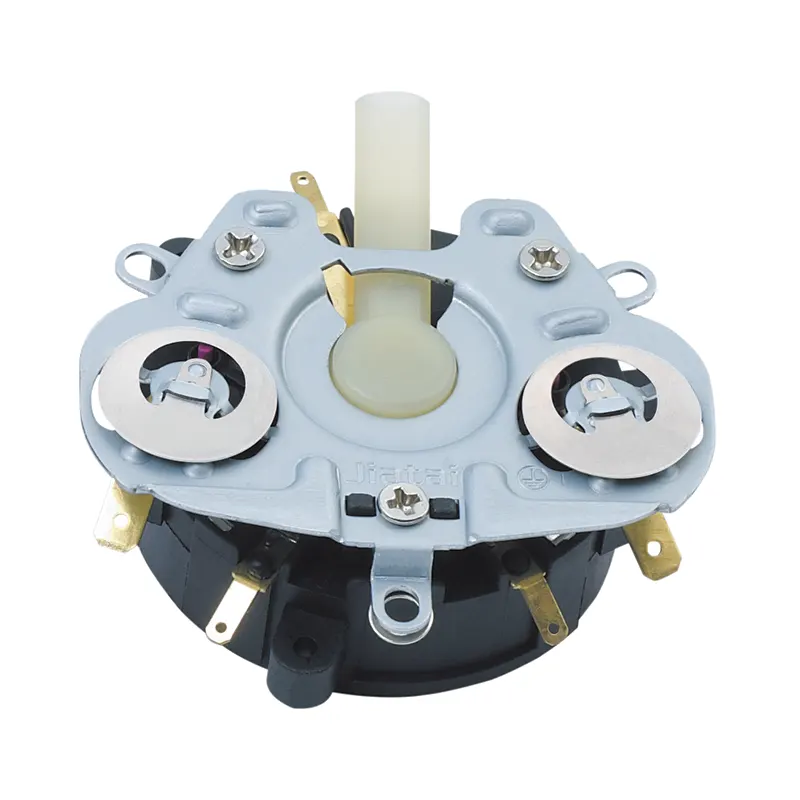
- View as
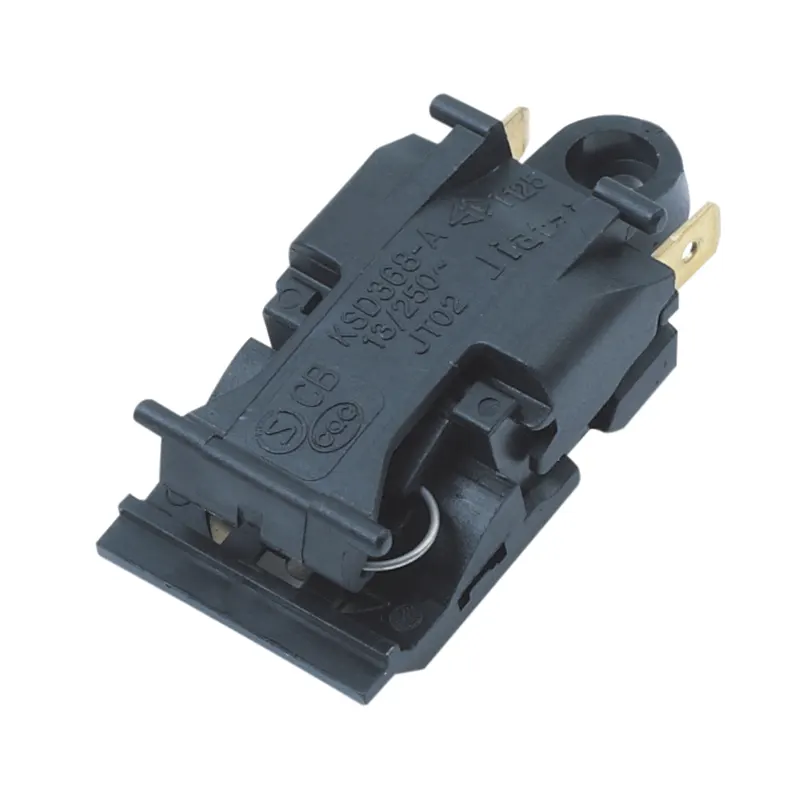
UL 15A Electric Kettle Thermostat
The UL 15A electric kettle thermostat is suitable for both household and commercial applications, offering reliable automatic power-off functionality and precise temperature regulation. With a 15A current rating, it is adaptable to various operating conditions. Manufactured using high-temperature resistant materials and precision bimetallic technology, the product minimizes the risk of overheating. It is widely used in appliances such as electric kettles, teapots, and water heaters. Contact JIATAI today for product specifications, samples, and customized OEM support. Our engineering team will help you find the right temperature controller solution for your application.
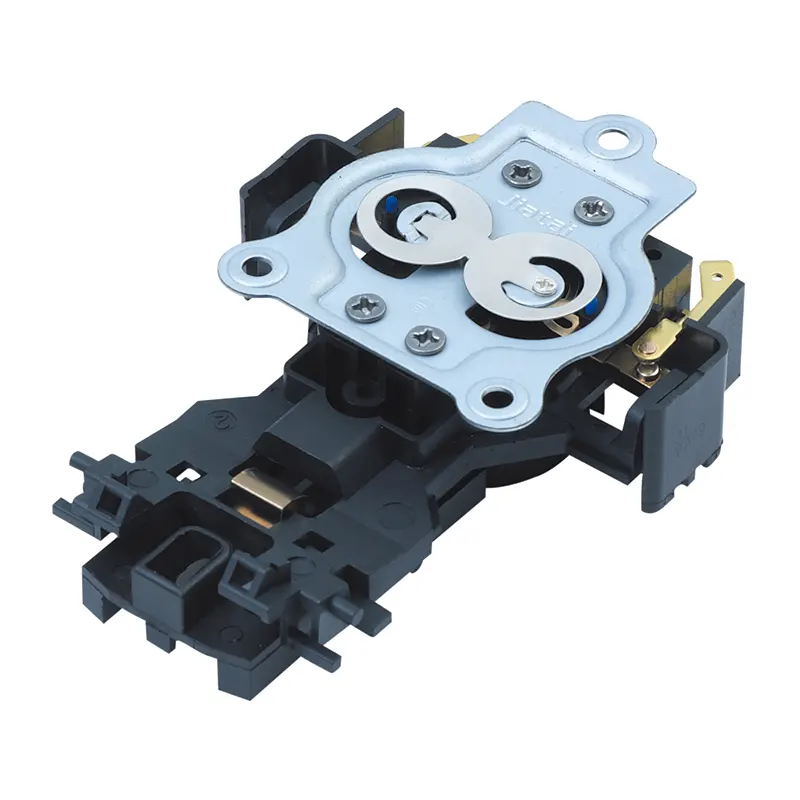
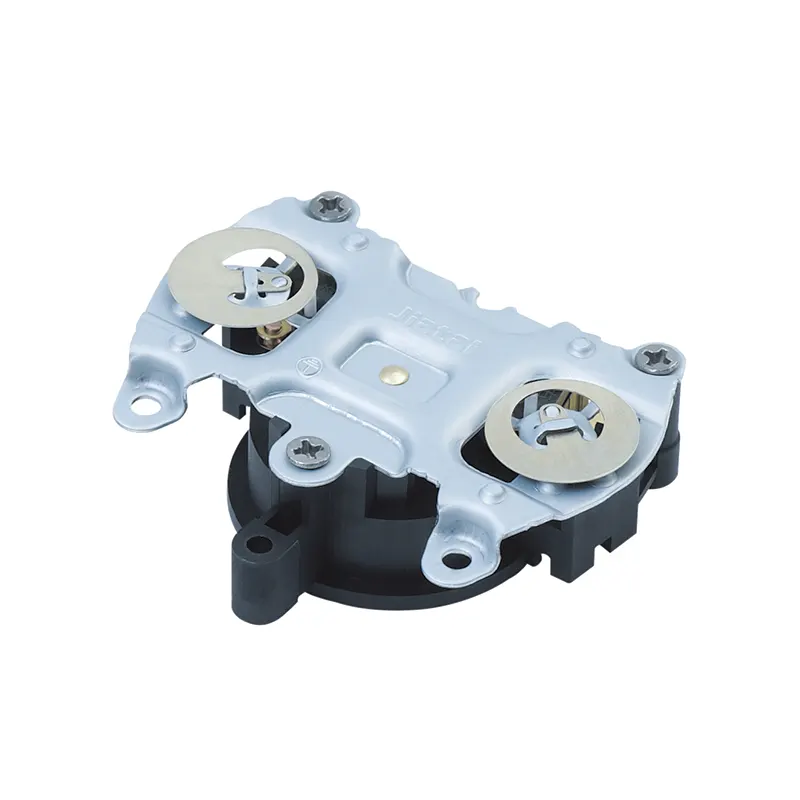
Electrical Tea Maker Thermostat
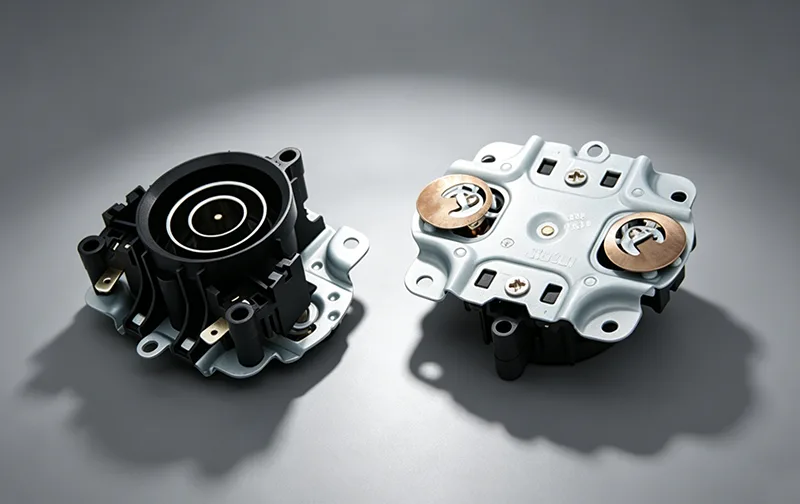
Jiatai factory's Electrical Tea Maker Thermostat is designed for electric tea makers, cordless kettles, and beverage heating appliances that require stable temperature control and reliable power switching. Featuring a 3-pole structure with 360° rotation capability, it provides flexible installation, consistent thermal response, and effective dry-boil protection during daily operation.
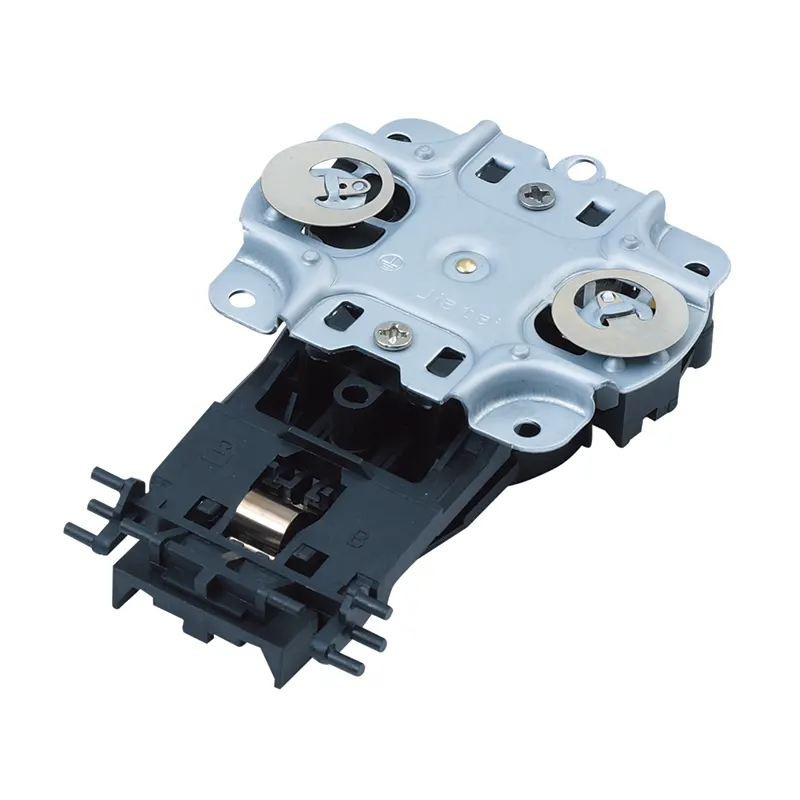
Egg Boiler Thermostat
A stable cooking process starts with accurate temperature control. Jiatai factory's Egg Boiler Thermostat helps electric egg cookers maintain the right heating condition for different cooking preferences, from soft-boiled to fully cooked eggs. Its responsive thermal mechanism and automatic shut-off function provide safer operation and a more consistent experience for everyday users.
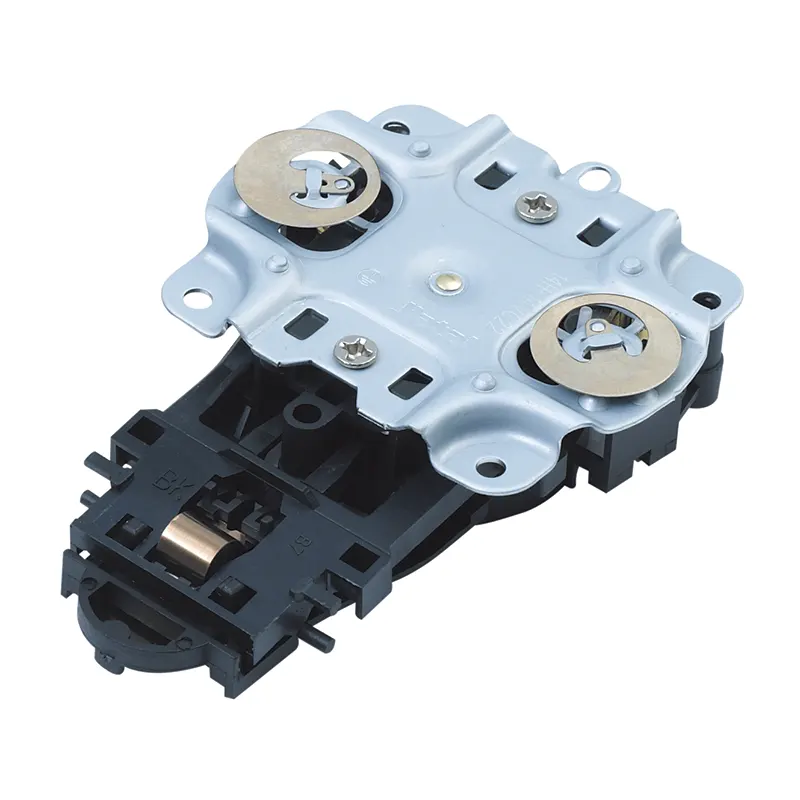
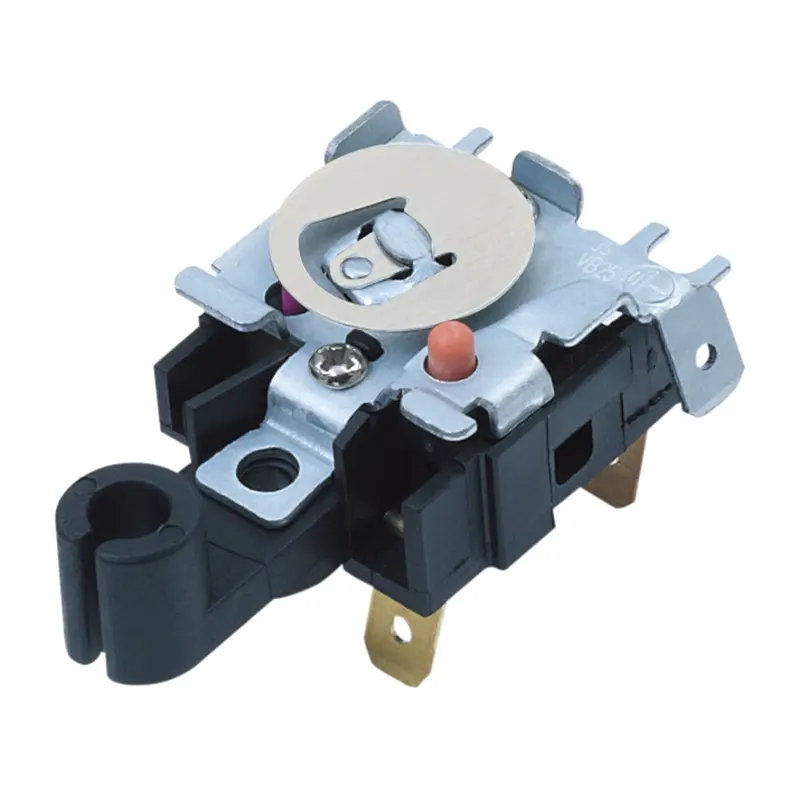
3 Pins TUV Electrical Mechanical Kettle Thermostat
JIATAI 3 Pins TUV Electrical Mechanical Kettle Thermostat is a reliable temperature control component designed for electric kettles requiring stable heating control, automatic shut-off and dry boil protection. Based on over 40 years of thermostat manufacturing experience, JIATAI develops and produces KSD688-BKT2A series kettle thermostats with certified safety performance, precise temperature sensing and durable mechanical structure. Featuring 3-pole connection design, 360° rotatable installation and TUV/CB certifications, this kettle thermostat is widely used by electric kettle manufacturers, appliance suppliers and OEM customers worldwide.
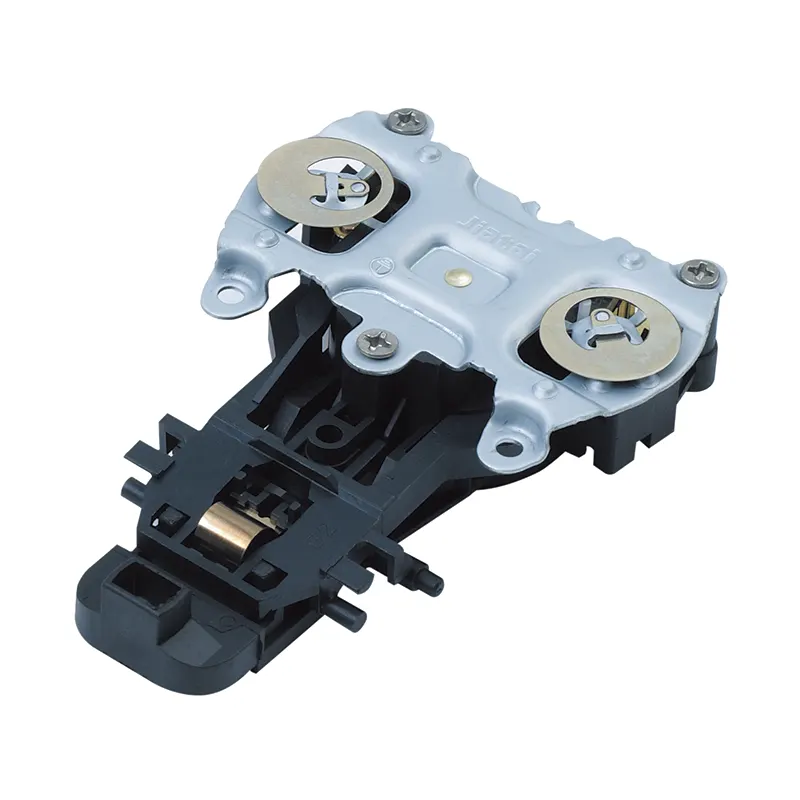
LOSO Type Kettle Temperature Thermostat
JIATAI LOSO Type Kettle Temperature Thermostat is a specialized safety control component developed for cordless electric kettles requiring automatic lift-off power cutoff and precise temperature control. Based on more than 40 years of thermostat manufacturing expertise, JIATAI designs and produces this thermostats with reliable bimetal sensing technology, snap-action switching performance and certified electrical safety.
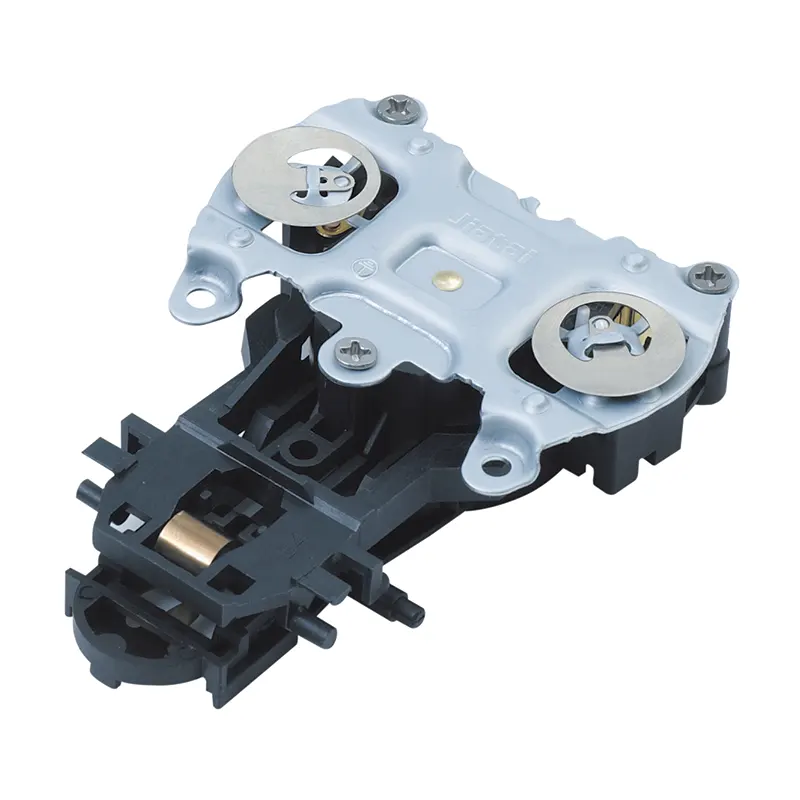
UL Electrical Kettle Thermostat
JIATAI UL Electrical Kettle Thermostat is a high-reliability temperature control component designed for electric kettle manufacturers, appliance brands and wholesale distributors requiring certified safety performance. JIATAI provides OEM kettle thermostat solutions with stable quality, competitive supply capacity and reliable performance for global markets including North America and Europe.
JIATAI supplies Electrical Mechanical Thermostat with OEM customization, quality control and factory direct advantages. Contact us for your purchase needs.