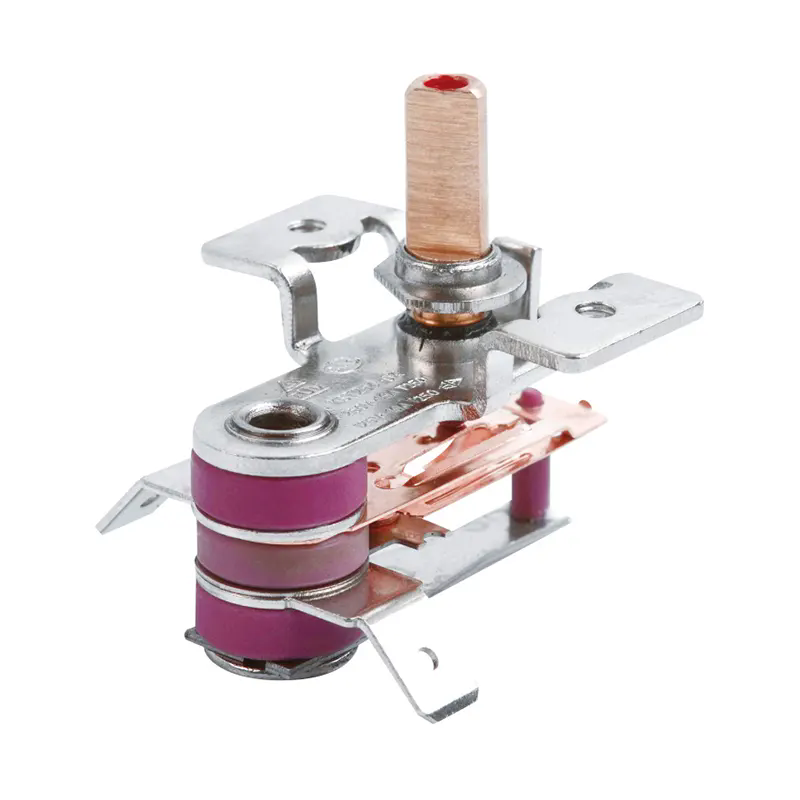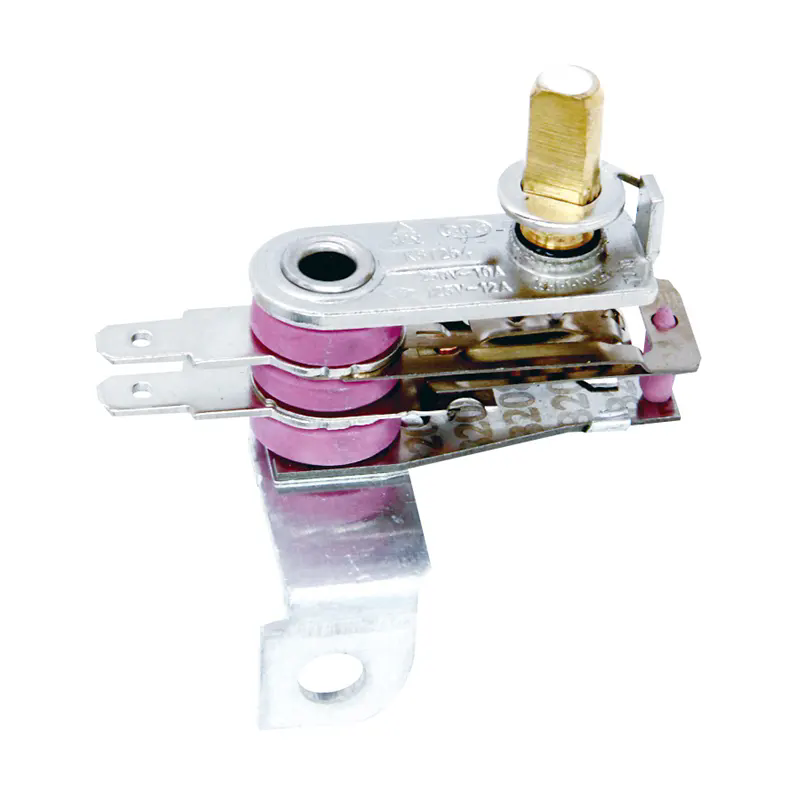

China Electrical Iron Thermostat Supplier
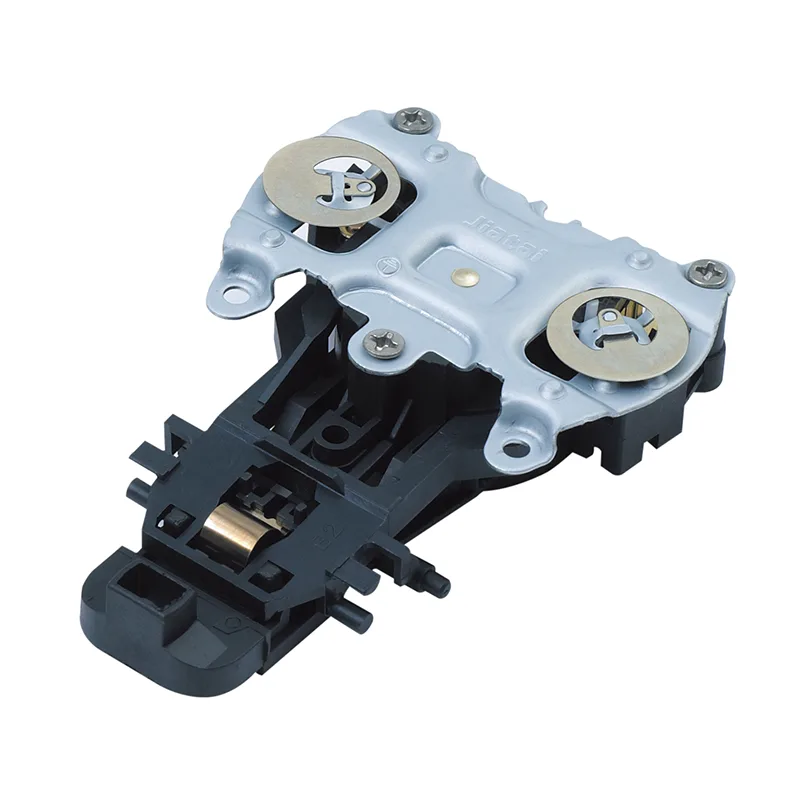
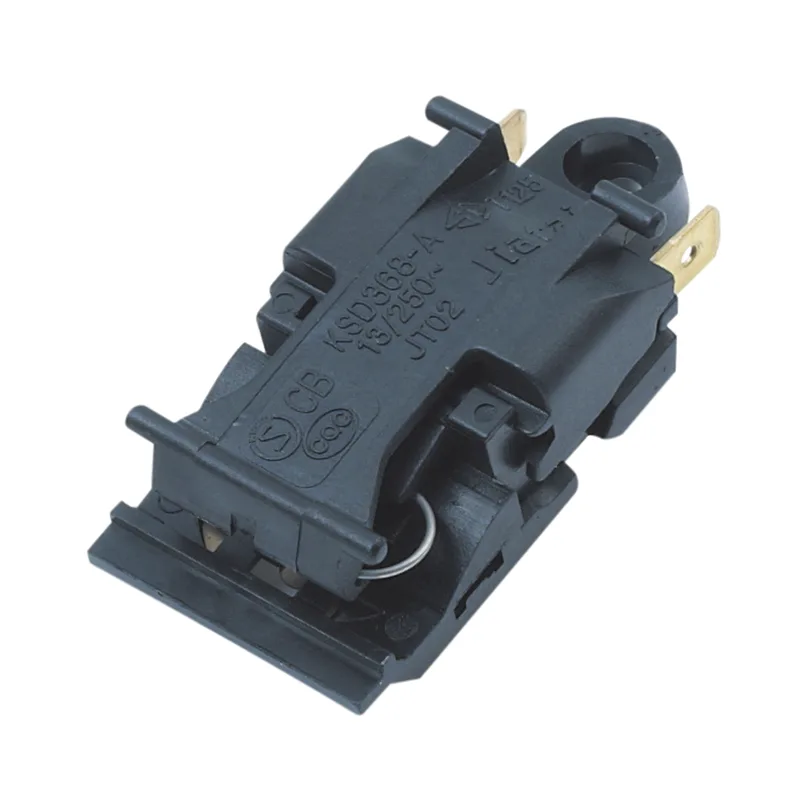
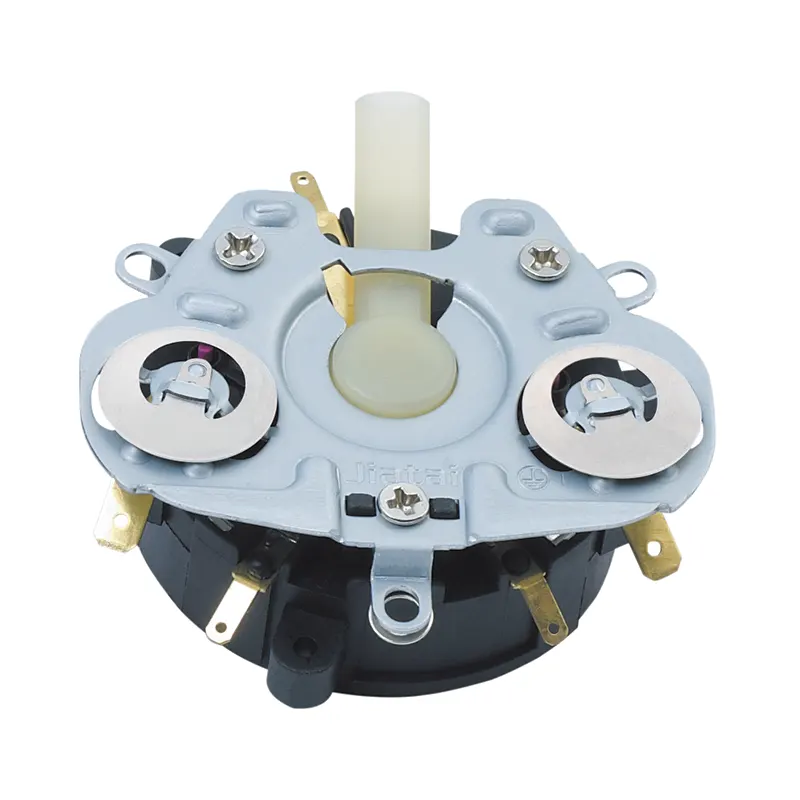
An electrical iron thermostat is a temperature-sensing and switching mechanism mounted inside an electric iron. It automatically regulates the soleplate temperature by making or breaking the electrical circuit that powers the heating element. When the soleplate cools below a user-selected setting, the thermostat closes the circuit, allowing current to flow and generate heat. Once the set temperature is reached, a bimetallic strip inside the thermostat bends due to differential expansion, opening the contacts and halting power. This cycle repeats constantly, maintaining a stable temperature within a narrow tolerance band.
JIATAI, a recognized name in precision thermal controls, has refined this principle over decades. Their thermostats incorporate calibrated bimetallic discs, silver alloy contacts, and robust ceramic or mica insulation to deliver millions of consistent switching cycles.
Key Functions in Modern Ironing Appliances
- Maintaining accurate soleplate temperature for different fabric types (nylon, silk, wool, cotton, linen)
- Providing quick heat-up and minimal temperature overshoot
- Acting as a safety cutoff if abnormal overheating occurs
- Enabling user-adjustable settings via a mechanical dial linked to the thermostat shaft
- Integrating with steam and spray functions by ensuring stable heat for water vaporization
Quality Testing and Reliability Verification
Every JIATAI Electrical Iron Thermostat undergoes a series of rigorous tests before shipment:
- Temperature calibration test: 100% of units are automatically tested in thermal chambers against a reference thermocouple to verify trip points at three dial positions.
- Endurance cycling: Batch samples are run for 100,000 cycles at rated load; contact resistance and trip drift are checked every 10,000 cycles.
- Overload test: Thermostats must withstand 1.5 times rated current for 50 cycles without welding or excessive temperature rise.
- Dielectric withstand: High-pot test between live terminals and mounting body at 2000V AC ensures insulation integrity.
- Salt spray test: For models with exposed metal parts, corrosion resistance is verified according to ASTM B117.
- Vibration and shock: Simulated transportation and usage vibration per IEC 60068-2-6 to guarantee no internal damage.
Frequently Asked Questions
How does an electrical iron thermostat regulate temperature?
An electrical iron thermostat uses a bimetallic strip that bends as it heats up. When the soleplate reaches the preset temperature, the strip bends enough to snap open a pair of electrical contacts, cutting power to the heating element. As the iron cools, the strip returns to its original shape, closing the contacts and re-energizing the element. This on-off cycle maintains the temperature within a narrow band. The user adjusts the trip point by rotating a cam mechanism connected to the thermostat shaft, changing the mechanical load on the bimetal.
What are the signs that my iron’s thermostat needs replacement?
The most common indicators include: the iron gets too hot or not hot enough despite correct dial setting; the temperature fluctuates wildly, causing scorching on delicate fabrics; the iron doesn’t heat at all but the cord and element test fine; a continuous burning smell accompanied by discoloration near the thermostat area; or the safety fuse opens repeatedly. If you experience any of these, testing the thermostat with a multimeter and temperature probe is recommended. JIATAI replacement thermostats are available for many popular iron models through authorized distributors.
Can I install a JIATAI thermostat in any brand of iron?
While JIATAI designs thermostats to be as universal as possible, direct replacement depends on the mounting hole diameter, shaft length and shape, terminal orientation, and temperature range. We offer the JT-IRT series with multiple mounting options and shaft configurations that cover a wide array of original equipment. For repair purposes, always match the physical dimensions and electrical rating. Our technical datasheets include detailed mechanical drawings to aid compatibility checks. For OEMs, we work closely with your engineering team to integrate our thermostat into new iron designs seamlessly.
What makes JIATAI thermostats more reliable than no-name alternatives?
JIATAI invests heavily in material science and process control. Our bimetallic discs are sourced from world-class mills and are individually calibrated. The contacts are made from premium silver alloys that resist welding and oxidation. Assembly takes place in ISO 9001-certified facilities with automated calibration stations that log every unit’s test data. Furthermore, each thermostat undergoes 100% functional testing. This contrasts with cheaper products that often skip calibration, use inferior bimetal that drifts quickly, and employ contacts that pit after a few thousand cycles. For appliances that people use daily, that difference translates directly into safety and product longevity.
How do I select the correct temperature range for an iron thermostat?
Selection depends on the fabric settings your iron offers. A typical household iron needs to cover from around 70°C for synthetics up to 220–230°C for linen. JIATAI standard range is 60–240°C, which suits most designs. For steam irons, the thermostat must also provide stable heat at the boiling point (about 100–120°C) for consistent steam generation. If your iron has a very specific fabric guide or dual working modes, we can adjust the cam profile to alter the temperature vs. shaft angle curve. Providing us your soleplate material, wattage, and desired temperature points allows our engineers to recommend the optimal range and differential.
- View as
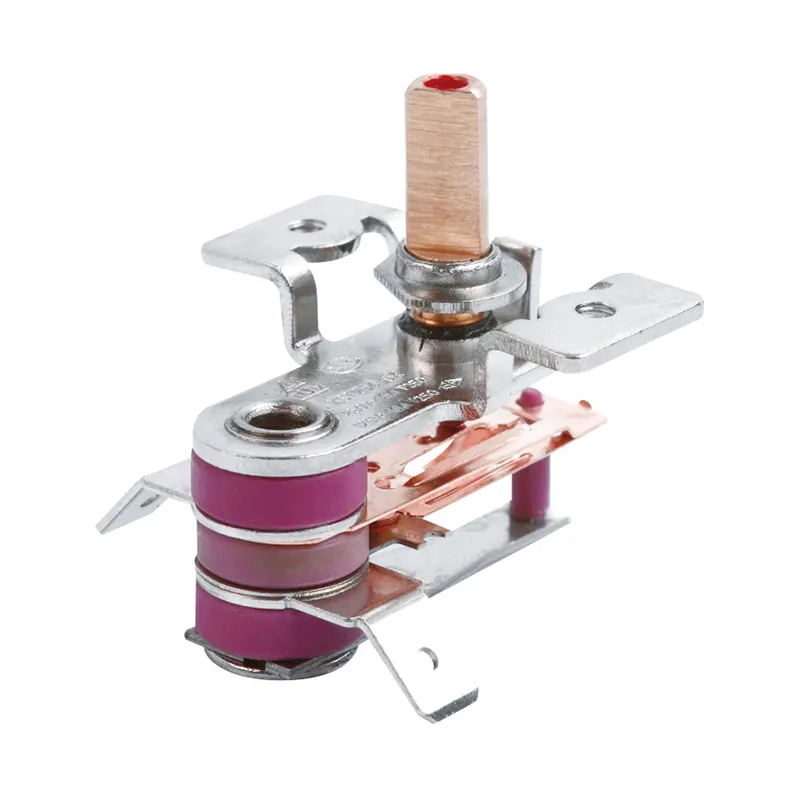
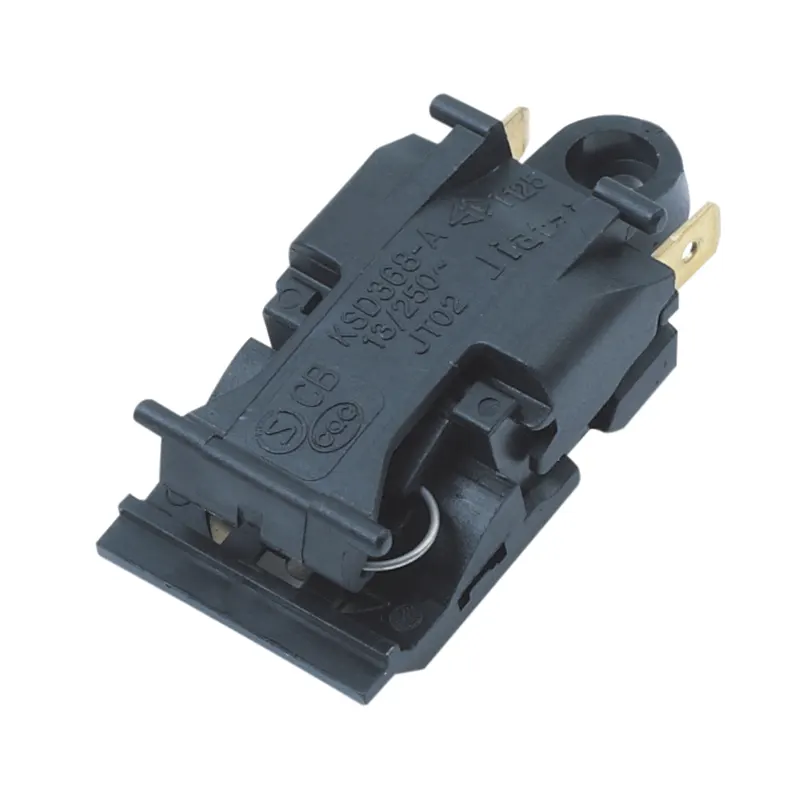
Electrical Steam Iron Temperatuer Controller
JIATAI Electrical Steam Iron Temperatuer Controller is designed for use in electric steam irons, garment steamers, and industrial ironing equipment. Featuring silver alloy contacts and a rating of 16A/250VAC, this commercial-grade bimetallic thermostat—supplied to OEM/ODM manufacturers—is capable of withstanding 100,000 operating cycles under full thermal load. It supports continuous temperature adjustment from 50°C to 250°C and holds multiple certifications, including UL 60730, VDE, CE, CQC, and RoHS.
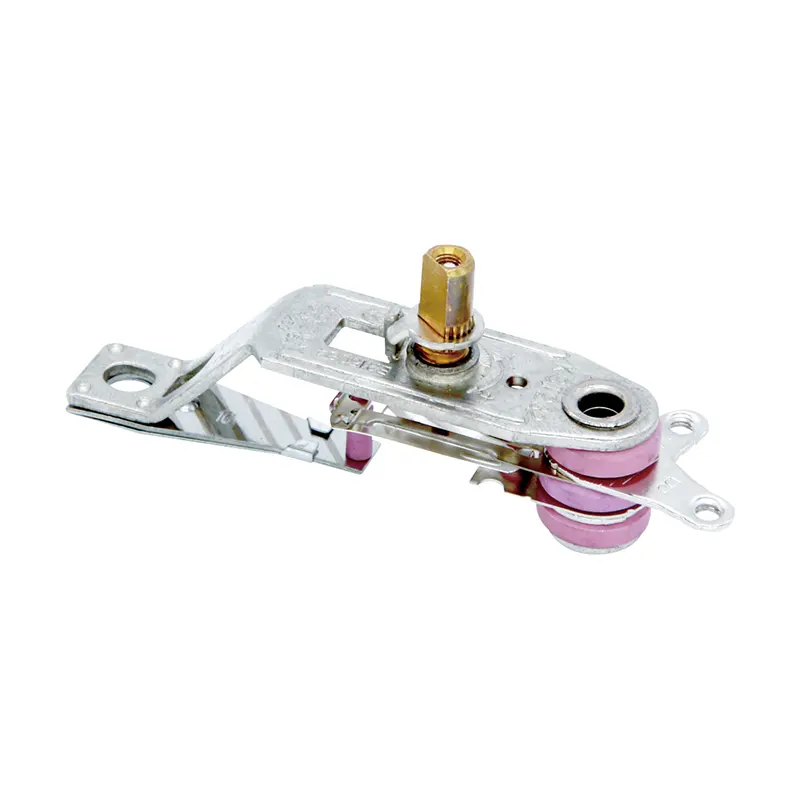
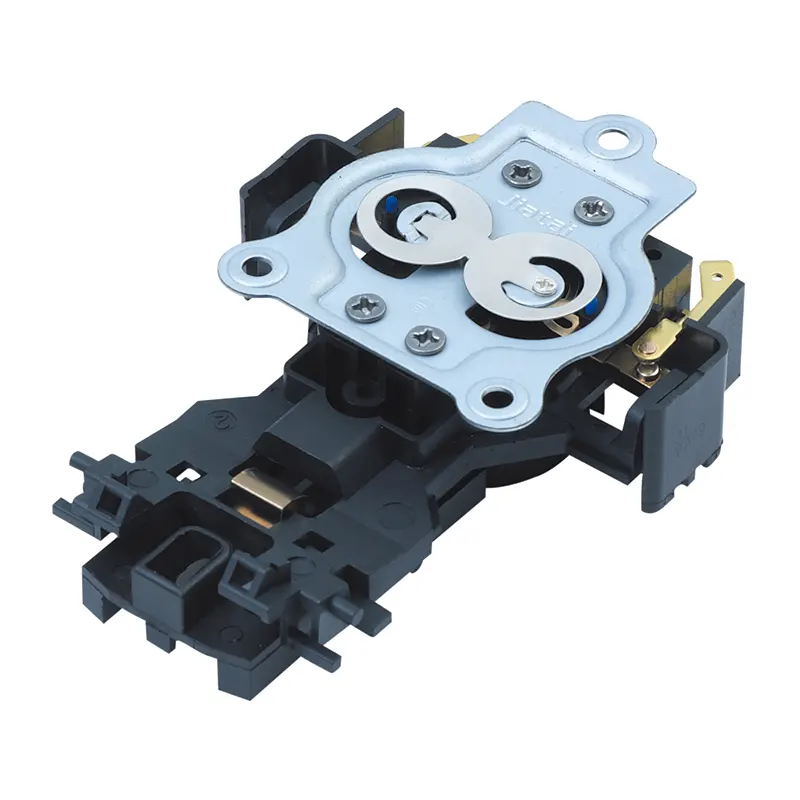
Dry Iron Adjusting Thermostat
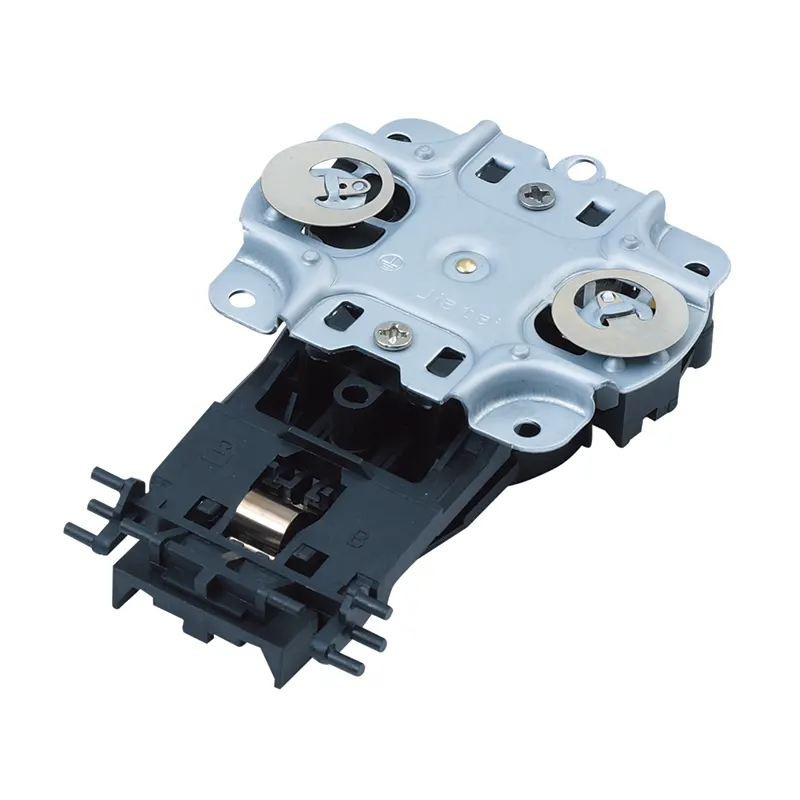
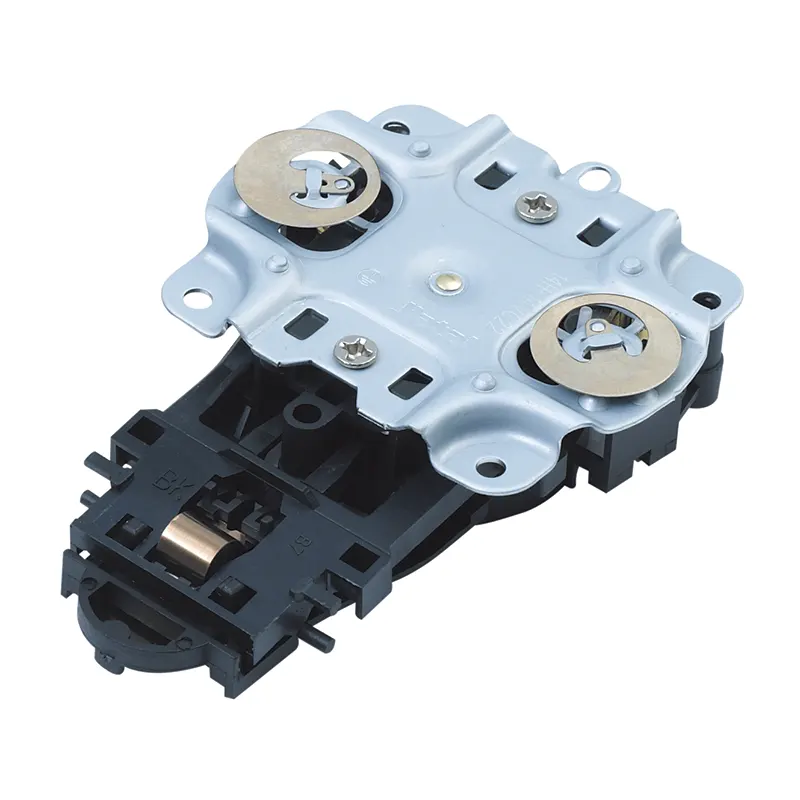
JIATAI is a professional dry iron adjusting thermostat manufacturer and supplier in China, specializing in OEM temperature control components for household appliances. Designed for electric iron heating systems, this thermostat provides stable temperature adjustment, high-temperature resistance and reliable switching performance. Our dry iron thermostats are widely used by global appliance manufacturers requiring durable and precise thermal control components.
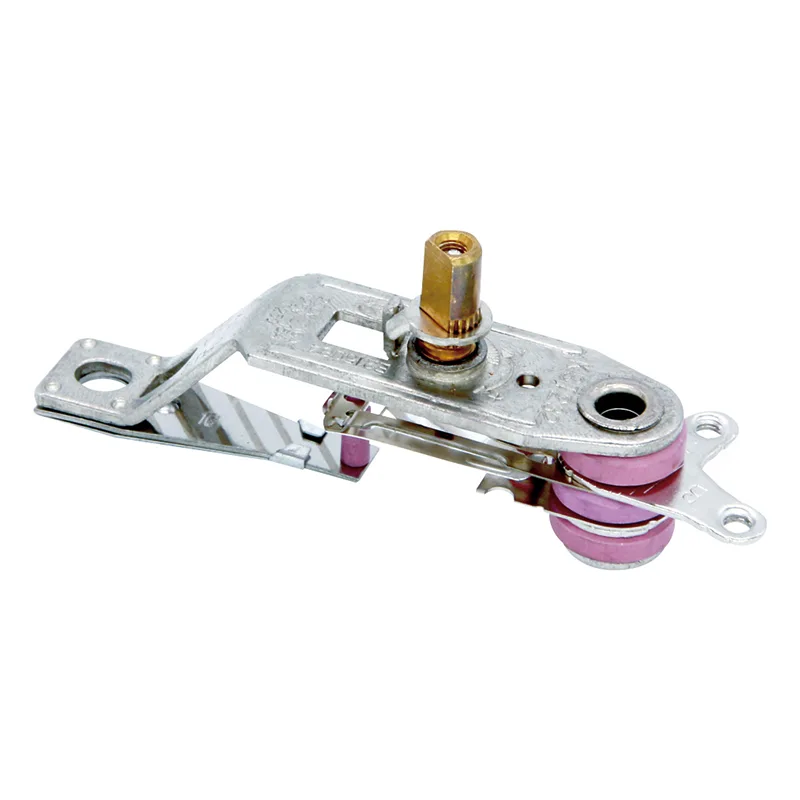
Steam Iron Adjusting Thermostat
JIATAI a professional China thermostat manufacturer and supplier specializing in temperature control components for household appliances. Designed for steam irons, dry irons and garment care equipment, this adjustable thermostat provides accurate temperature regulation through bimetal sensing technology and mechanical switching control. With OEM customization capability, stable bulk production and reliable quality testing, JIATAI supplies Steam Iron Adjusting Thermostat solutions for global appliance manufacturers, distributors and wholesale buyers.
JIATAI supplies Electrical Iron Thermostat with OEM customization, quality control and factory direct advantages. Contact us for your purchase needs.