China Electronic Thermostat Manufacturer
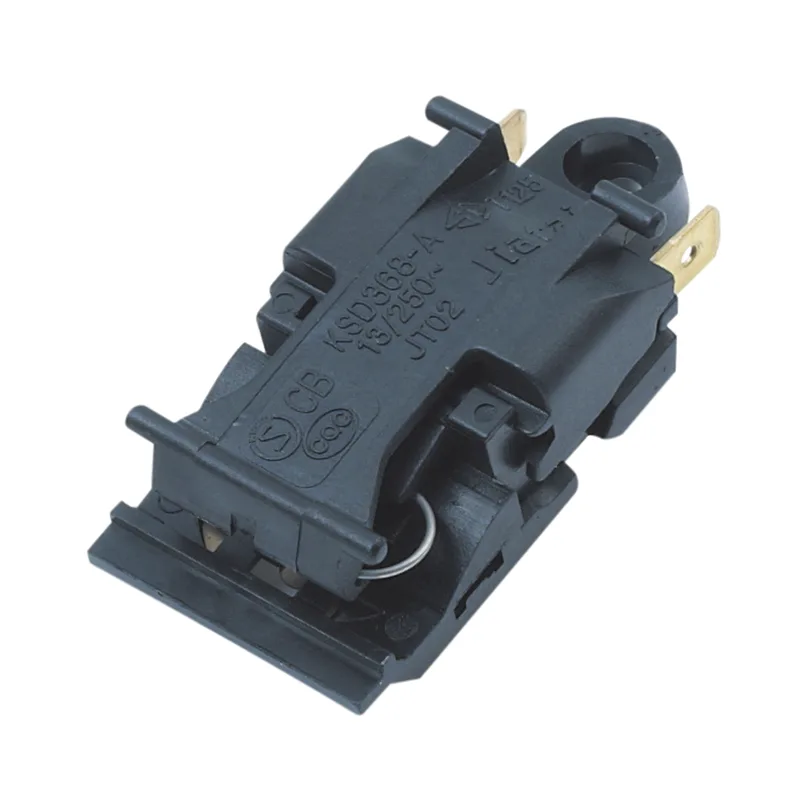
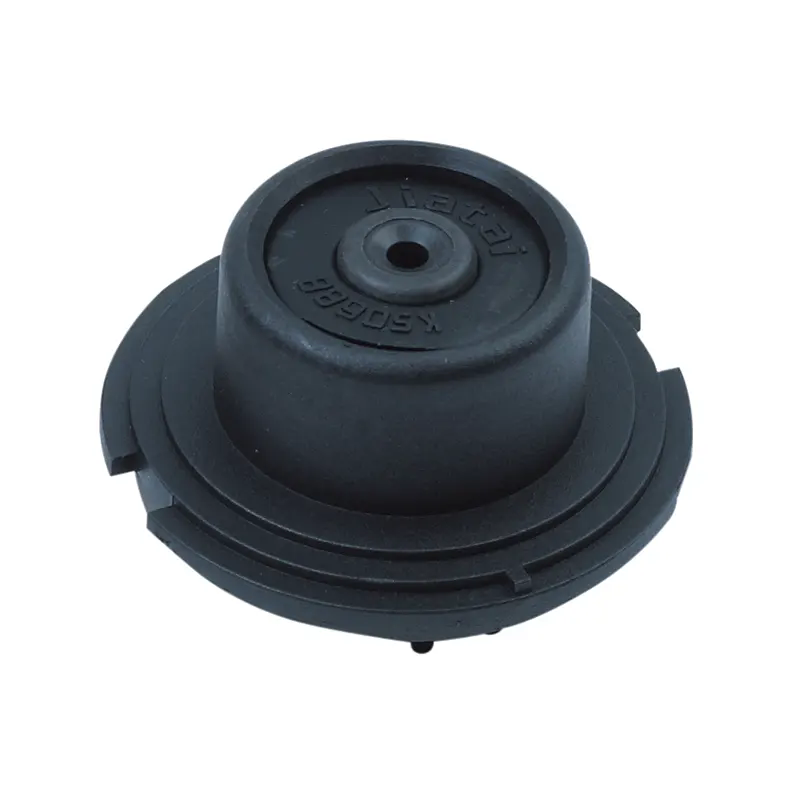
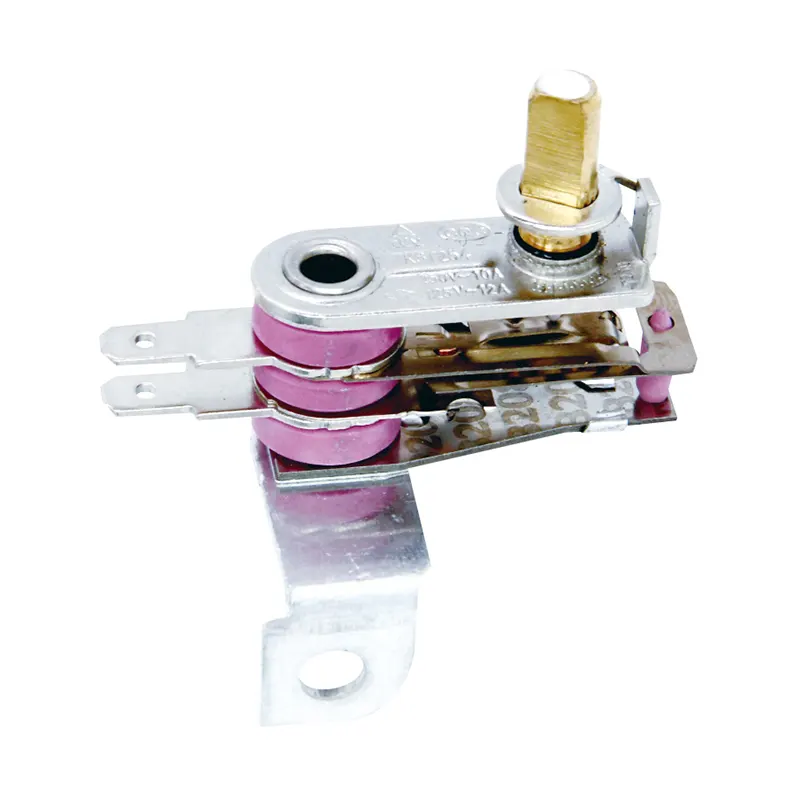
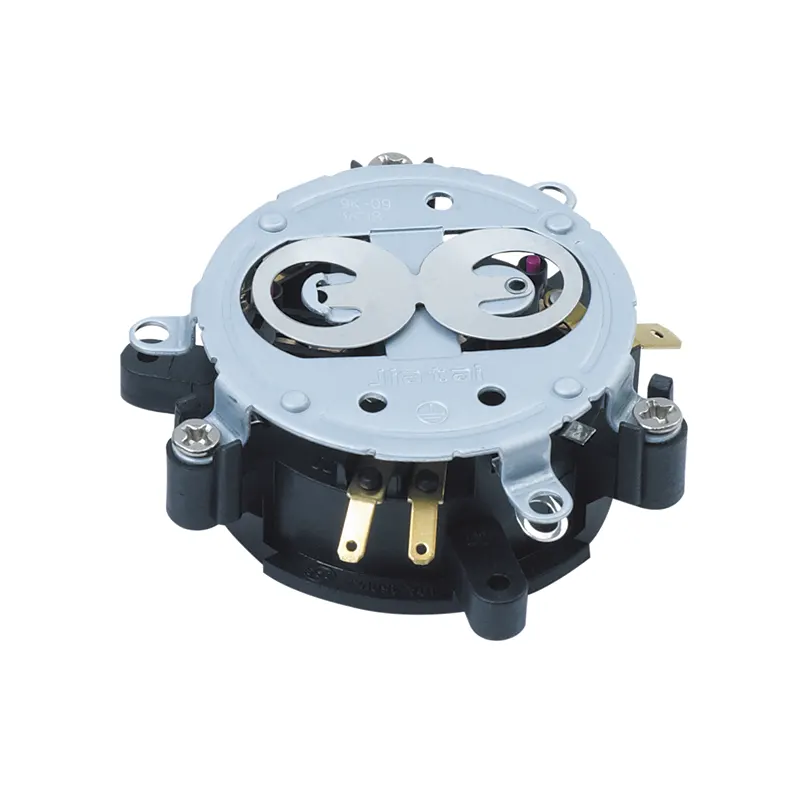
In modern climate management, an Electronic Thermostat stands as the brain of heating, ventilation, and air conditioning systems. Unlike older mechanical bimetallic strips, a thermostat uses precision sensors and microprocessors to maintain room temperature with remarkable accuracy. JIATAI has been dedicated to advanced thermostat design and manufacturing for over fifteen years. Every JIATAI electronic thermostat undergoes rigorous testing for sensor accuracy, switching durability, and electromagnetic compatibility. The product range spans basic non-programmable units to Wi-Fi-enabled models with touchscreen interfaces. Whether you need a simple room thermostat for a residential boiler or a multi-stage controller for a commercial heat pump, JIATAI delivers reliability and performance. The brand is recognized for combining robust hardware with intuitive software, making temperature management effortless for every user.
Key Features
- High-precision digital sensing: JIATAI employs NTC thermistors and advanced algorithms to maintain temperature within ±0.1°C for the JT-500 series and ±0.5°C for standard models. This tight differential prevents uncomfortable hot or cold swings.
- Intuitive user interface: Even the basic units feature large backlit displays with simple icons. Touchscreen models offer drag-and-drop scheduling, color themes, and clear status indicators for heating, cooling, and fan modes.
- Flexible programming: The programmable and Wi-Fi variants allow 7-day scheduling with up to eight independent time/temperature events. You can set different comfort profiles for weekdays and weekends.
- Smart home integration: JT-500 works with Amazon Alexa and Google Assistant through the JIATAI Home skill. Voice commands can adjust temperature, switch modes, or activate vacation settings.
- Energy usage reports: The JIATAI Home app provides daily, weekly, and monthly energy consumption analytics. This transparency helps users optimize settings and lower utility bills.
- Multi-stage control: The commercial JT-800 supports up to three heating and two cooling stages, plus a humidifier and dehumidifier output. It is ideal for heat pumps with auxiliary heat, rooftop units, and fan coil systems.
- Fail-safe memory: All settings are stored in non-volatile memory, so power outages do not erase schedules or configuration. The thermostat resumes normal operation immediately after power returns.
- Keypad lock and tamper protection: For public spaces, hotels, or classrooms, the thermostat can lock the screen and buttons with a PIN code, preventing unauthorized changes.
- Open Window detection: Select JIATAI models automatically shut off heating or cooling when a sudden temperature drop indicates an open window, saving substantial energy.
- Remote sensor support: The JT-800 can use wired remote temperature sensors for floor heating, outdoor temperature compensation, or averaging multiple zones.
Applications Across Residential and Commercial Sectors
An electronic thermostat from JIATAI fits into countless environments. In residential homes, the programmable JT-200 lowers heating costs by automatically reducing setpoint at night and when the house is empty. Apartment buildings choose the JT-100 Basic for its simplicity and reliability under 24V boiler systems. For modern smart homes, the JT-500 Touch Wi-Fi becomes the centerpiece of climate control, allowing residents to preheat the living room before they arrive. In commercial settings, the JT-800 handles complex HVAC units in server rooms, greenhouses, laboratories, and retail stores. Its Modbus interface integrates with building management systems for centralized monitoring. Hotels use the tamper-proof feature to maintain guest comfort while preventing excessive energy use.
Energy Efficiency and Cost Savings
Upgrading from an old mechanical thermostat to a JIATAI electronic thermostat typically yields 10–20% savings on heating and cooling bills. The precise sensor eliminates the wide temperature swings that cause the heating system to overwork. Programmable setbacks of just 3–5°C for eight hours a day can cut heating energy use by up to 10% annually. Wi-Fi models with geofencing can automatically set back when the last person leaves home. The adaptive PID algorithm in premium series learns the thermal inertia of the building and starts heating or cooling just early enough to reach the setpoint on time, avoiding wasteful preheating. JIATAI’s energy reports provide tangible evidence of these savings, helping users fine-tune their settings further.
Frequently Asked Questions
How do I wire a JIATAI electronic thermostat when replacing an old two-wire mechanical thermostat?
Most JIATAI units require a neutral connection, which is not always available in old two-wire cables. However, the JT-100 Basic can operate with a two-wire connection in 24V systems by drawing power through the load when the switch is off. For 230V applications, you usually need a three-wire cable (live, switched output, neutral). Check the wiring diagram included with your model. If no neutral is present, consider using the battery-powered variant or having an electrician install a new cable. JIATAI also offers models with a common terminal for power stealing in some boilers.
What is the difference between a programmable thermostat and a smart one?
A programmable thermostat lets you set fixed schedules for different days and times. A smart thermostat, like the JIATAI JT-500, adds features such as Wi-Fi connectivity, learning algorithms, geofencing, and voice control. Smart models can also provide energy analytics and receive over-the-air firmware updates. Programmable units are more affordable and still very effective if your routine is consistent.
Is a thermostat compatible with underfloor heating?
Yes, but you must select the right model. For electric underfloor heating, choose a JIATAI thermostat rated for the appropriate amperage and equipped with a floor sensor input. The JT-800 supports a wired remote sensor for floor temperature limiting. Models with an air and floor sensor combination prevent the floor surface from exceeding safe temperatures while still maintaining room comfort. Water-based underfloor systems can be controlled with a standard electronic thermostat that operates a zone valve or actuator, but response time considerations may benefit from a model with PID control to prevent overshoot.
How precise is the temperature reading on thermostats?
The JT-500 uses a factory-calibrated digital sensor with an accuracy of ±0.1°C. The JT-200 achieves ±0.3°C, and the JT-100 Basic operates within ±0.5°C. These specifications are measured in a controlled environment. In a real installation, drafts, direct sunlight, or heat from internal electronics can slightly influence the reading. JIATAI compensates with sensor algorithms that filter short-term fluctuations. If you need extreme accuracy in a specific location, you can use a remote sensor placed in the optimal area.
Can I use a thermostat to control a heat pump with auxiliary heat?
Absolutely. The JT-800 commercial thermostat is designed for multi-stage heat pump control. It can manage the compressor, auxiliary heat strips, and even a reversing valve for cooling mode. The installer must configure the thermostat for heat pump operation via the setup menu, selecting the number of stages, changeover valve type, and balance point temperatures. JIATAI provides detailed configuration guides. For residential heat pumps, the JT-500 and JT-200 also support two-stage heating but may lack a dedicated emergency heat terminal—check the specific wiring diagram for compatibility.
Do JIATAI electronic thermostats work with Amazon Alexa or Google Home?
The JT-500 Touch Wi-Fi and other smart models integrate with both Amazon Alexa and Google Home. After linking the JIATAI Home skill in the respective app, you can say, “Alexa, set the living room temperature to 21 degrees,” or “Hey Google, increase the bedroom temperature by two degrees.” Voice control extends to mode changes and fan settings as well. Basic and programmable models without Wi-Fi do not support these assistants natively.
How do I lock the thermostat to prevent children or hotel guests from changing settings?
On JIATAI units with a touchscreen or button interface, navigate to the settings menu and enable the child lock or hotel mode. You will set a 4-digit PIN. Once active, pressing any button will prompt the PIN entry screen. Only the correct PIN allows temperature adjustments beyond a predefined range. In hotel mode, you can also limit the setpoint range, for example, 18°C minimum and 26°C maximum, to prevent excessive cooling or heating.
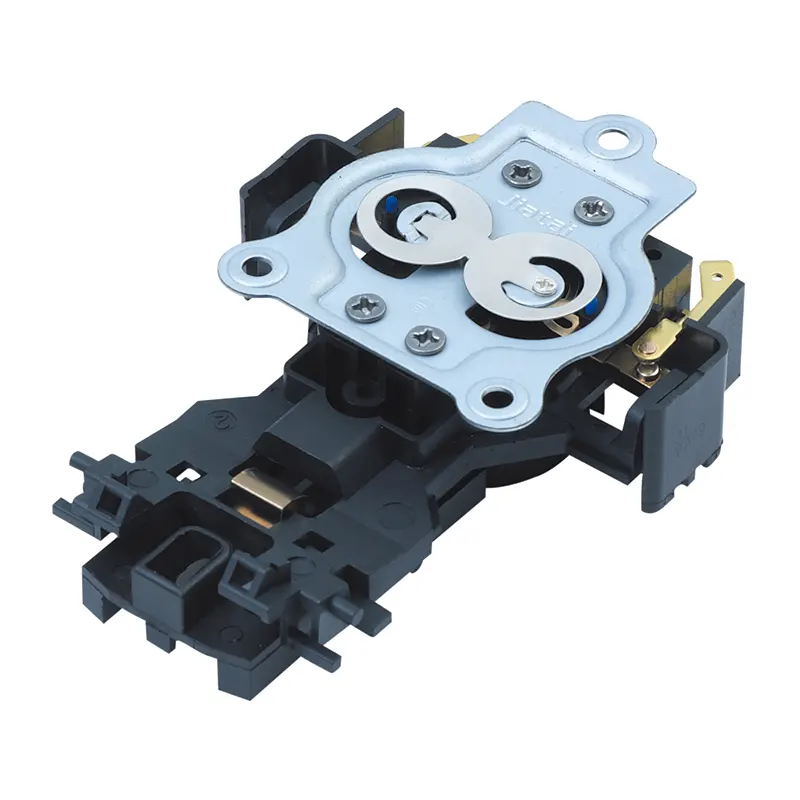
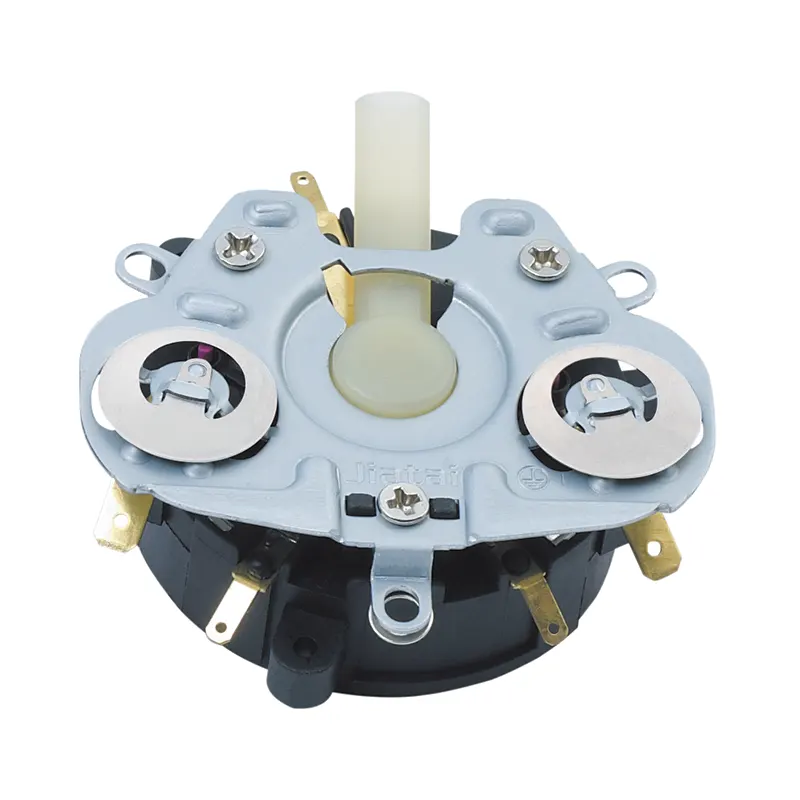
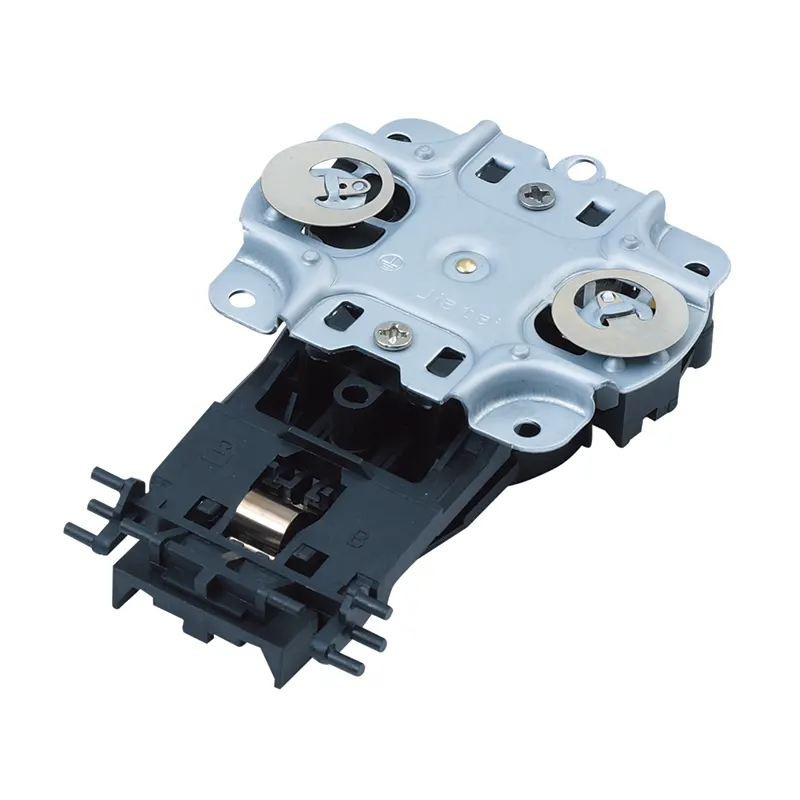
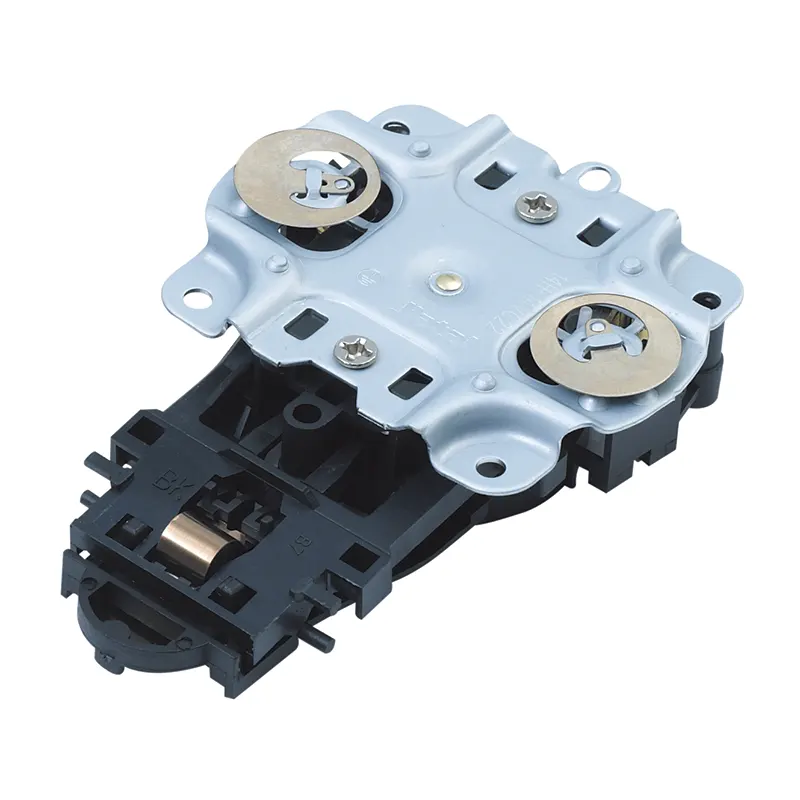
- View as
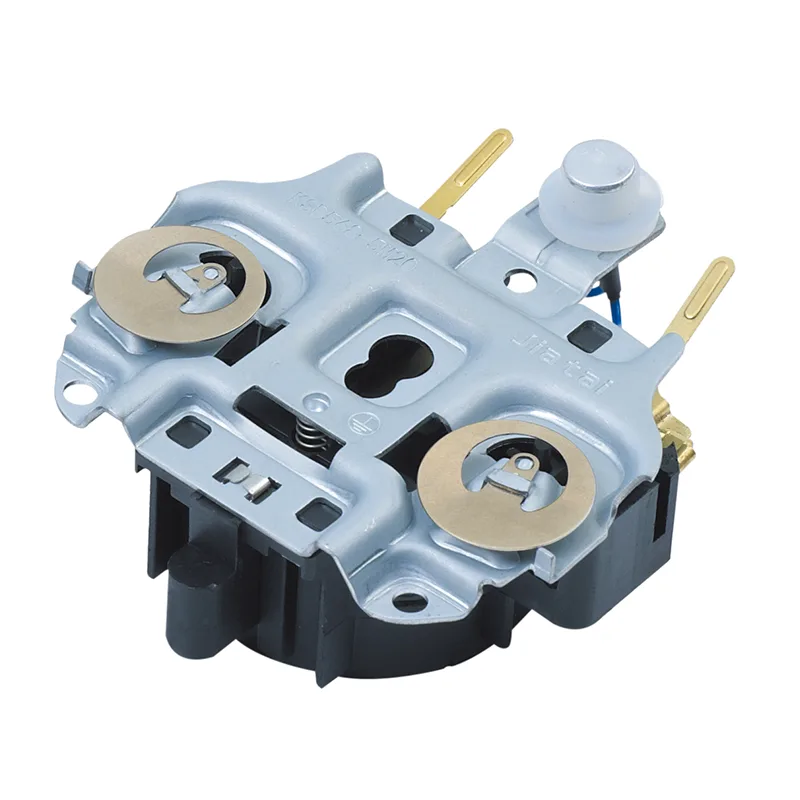
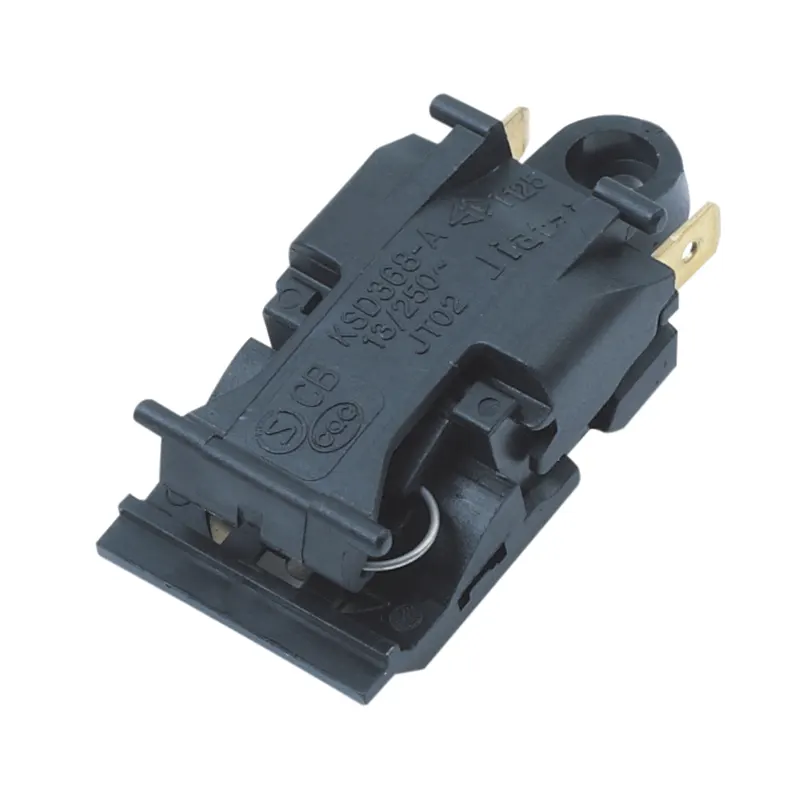
5 Pins NTC Elecgtronic Thermostat
JIATAI 5 Pins NTC Elecgtronic Thermostat is a precision temperature control component designed for multifunctional kettles, health pots and other small heating appliances requiring accurate temperature monitoring. Developed by JIATAI, a professional kettle thermostat manufacturer in China with over 40 years of temperature control experience, this electronic thermostat integrates an NTC temperature sensor with reliable switching control to achieve stable and responsive temperature regulation.
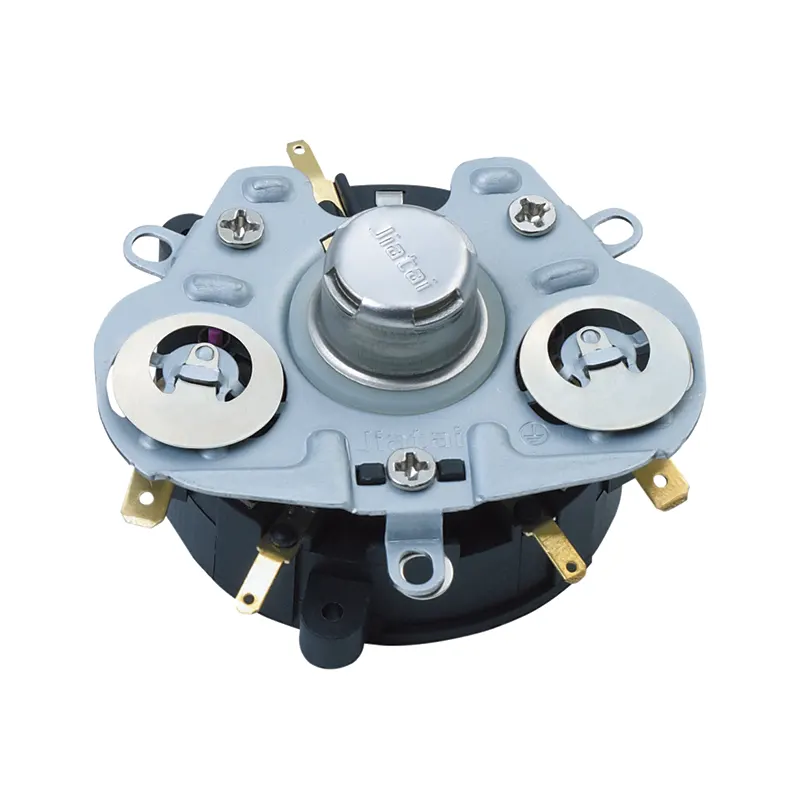
Baby Feed Kettle Thermostat
The Baby Feed Kettle Thermostat is developed for infant formula kettles and low-temperature water heating appliances that require stable temperature control. Designed for maintaining formula preparation temperatures, this thermostat provides accurate thermal sensing, reliable switching performance, and consistent operation during repeated heating cycles. Zhejiang Jiatai Electrical Appliance Manufacture Co., Ltd. supplies customized thermostat solutions for baby appliance manufacturers, supporting OEM projects with stable production and technical assistance.
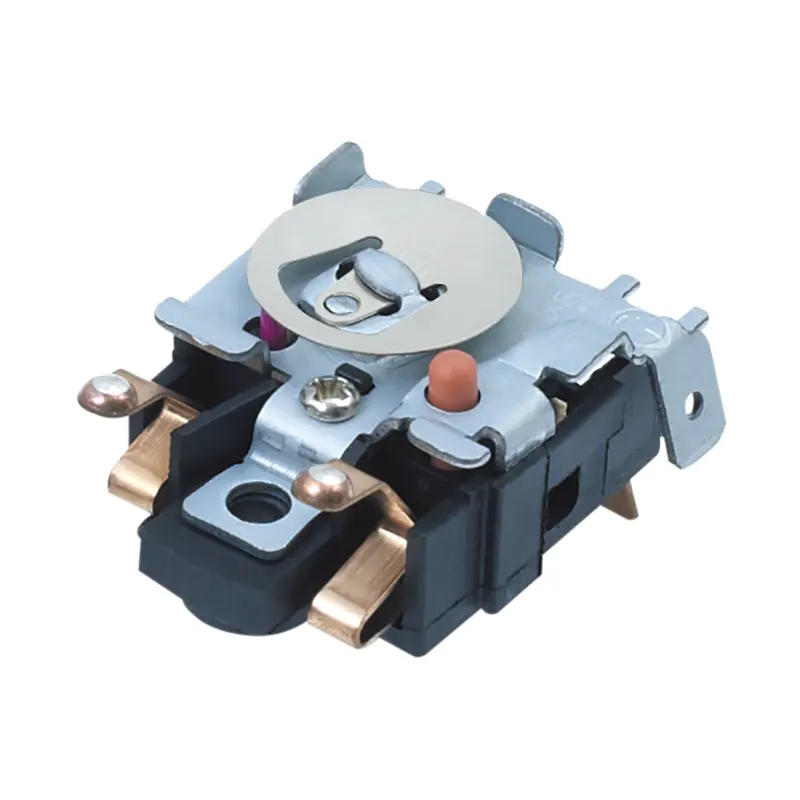
Temperature Control Thermostat For Egg Cookers
The Temperature Control Thermostat For Egg Cookers is designed specifically for electric egg cooking appliances that require stable heating control and automatic shut-off performance. By combining sensitive thermal detection with reliable mechanical switching technology, the thermostat helps egg cooker manufacturers achieve consistent cooking results for soft, medium, and hard-boiled eggs. Jiatai provides customized thermostat solutions with stable production capability for global kitchen appliance manufacturers.
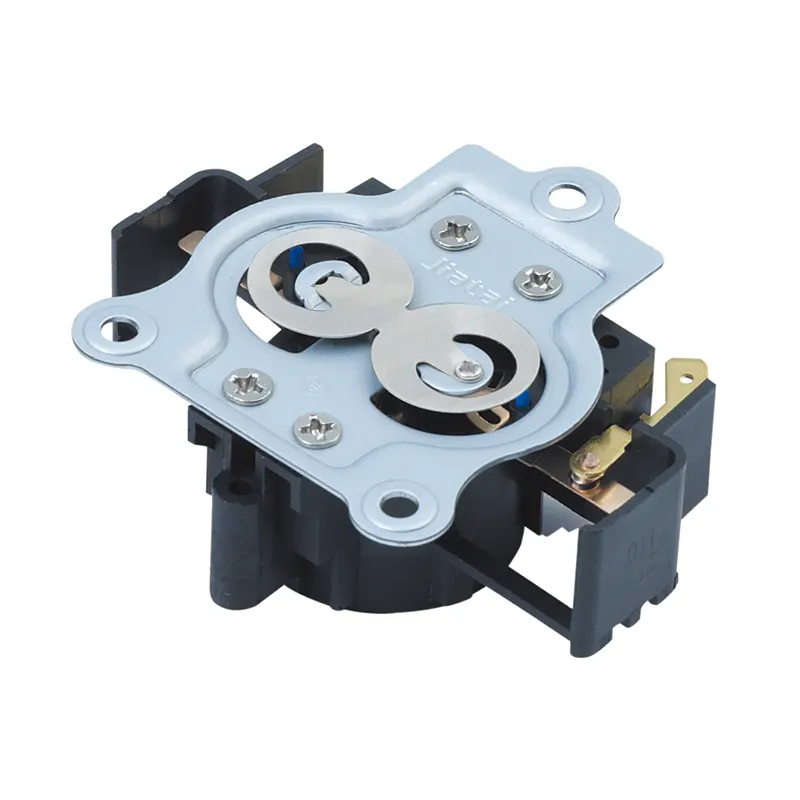
Turkey Coffee Machine Thermostat
Jiatai Turkey Coffee Machine Thermostat is designed for electric Turkish coffee makers and compact heating appliances that require stable temperature control during repeated brewing cycles. Manufactured with high-quality bimetal thermal sensing components and durable electrical contacts, it provides accurate temperature response, reliable automatic shut-off, and long service life. As an experienced thermostat manufacturer in China, Jiatai supports OEM customization, bulk supply, and technical solutions for global coffee machine brands and appliance manufacturers.
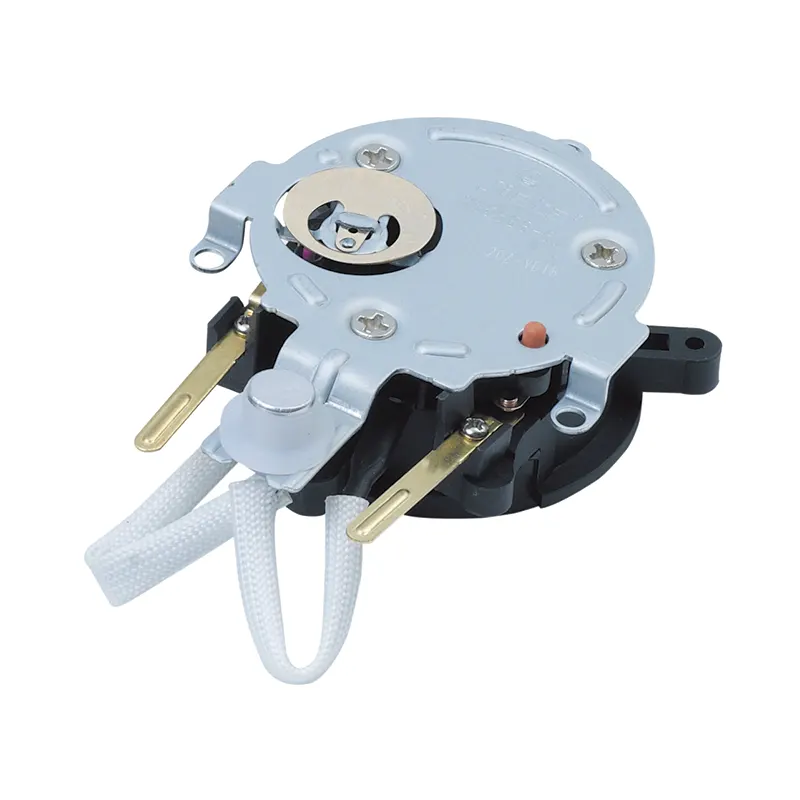
Eletrical Healthy Pot Thermostat
Jiatai Eletrical Healthy Pot Thermostat is specially developed for health pots, multifunction cooking kettles, and tea brewing appliances that require accurate temperature management. Featuring a 5-pole structure with optional NTC temperature sensing, this thermostat provides stable thermal control, secondary dry-boil protection, and flexible integration options for different appliance designs. Jiatai supplies OEM thermostat solutions for global kitchen appliance manufacturers.
JIATAI supplies Electronic Thermostat with OEM customization, quality control and factory direct advantages. Contact us for your purchase needs.