
What Makes an Electrical Iron Thermostat Essential for Accurate Temperature Control?
Article Summary:
An Electrical Iron Thermostat is a critical temperature regulation component that determines the safety, efficiency, and performance of modern electric irons. By automatically controlling the power supply to the heating element, it helps maintain stable ironing temperatures for different fabrics while preventing overheating problems. This article explains how electrical iron thermostats work, why they are important, how to select the right solution, and how manufacturers can improve product reliability with professional thermostat suppliers like JIATAI.
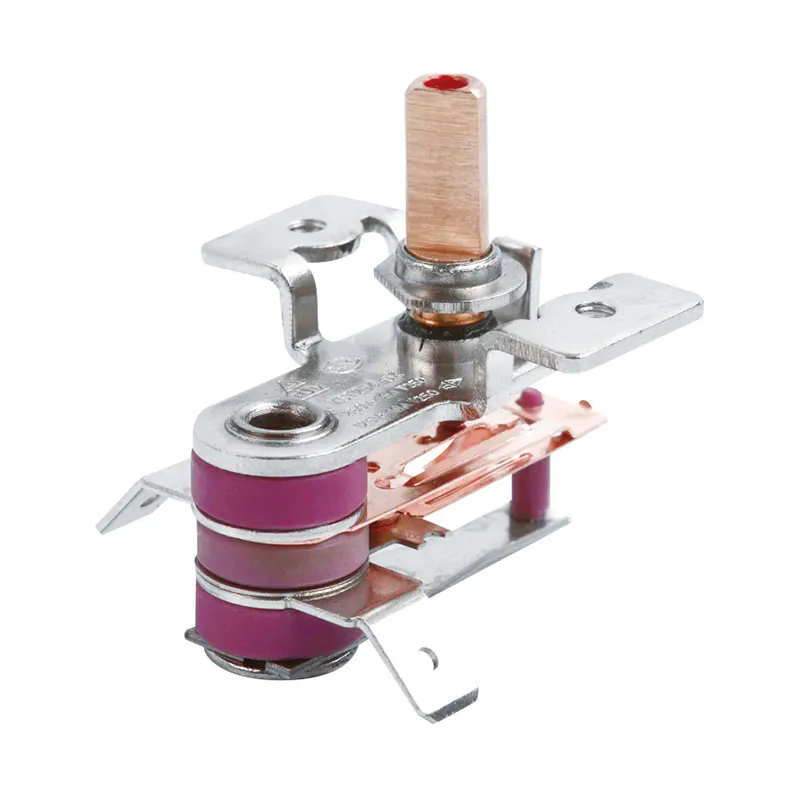
Table of Contents
- 1. What Is an Electrical Iron Thermostat?
- 2. Why Is an Electrical Iron Thermostat Important?
- 3. How Does an Electrical Iron Thermostat Work?
- 4. What Are the Main Components of an Electrical Iron Thermostat?
- 5. What Advantages Does a High-Quality Electrical Iron Thermostat Provide?
- 6. How to Choose the Right Electrical Iron Thermostat?
- 7. Where Are Electrical Iron Thermostats Used?
- 8. Frequently Asked Questions About Electrical Iron Thermostats
Article Outline
- Understanding the role of thermostat technology in electric irons
- Exploring temperature control principles and internal structures
- Identifying customer concerns related to overheating and product reliability
- Learning how manufacturers select suitable thermostat solutions
- Understanding why experienced suppliers improve product performance
What Is an Electrical Iron Thermostat?
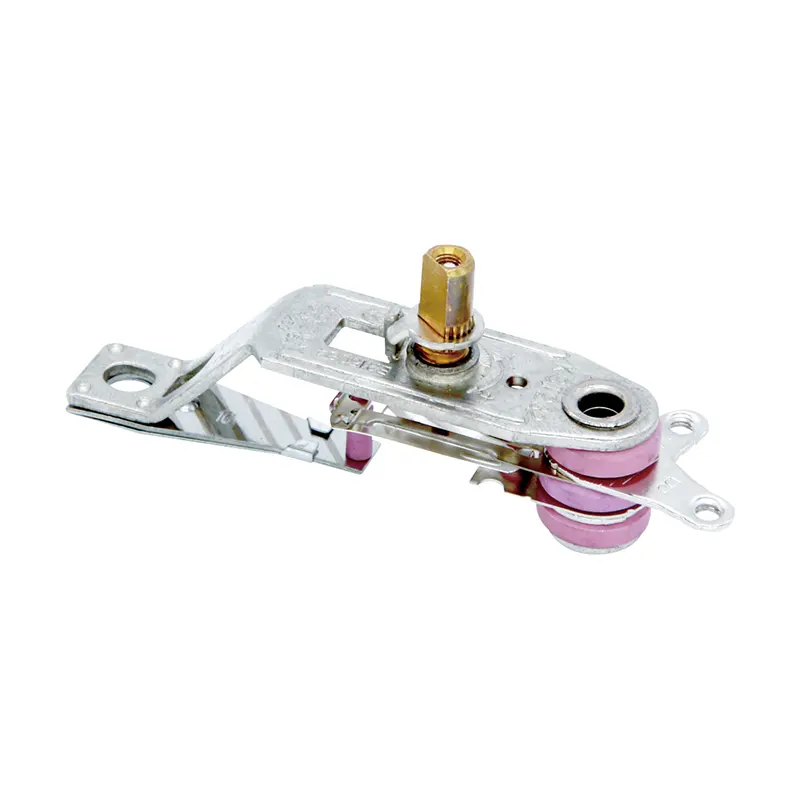
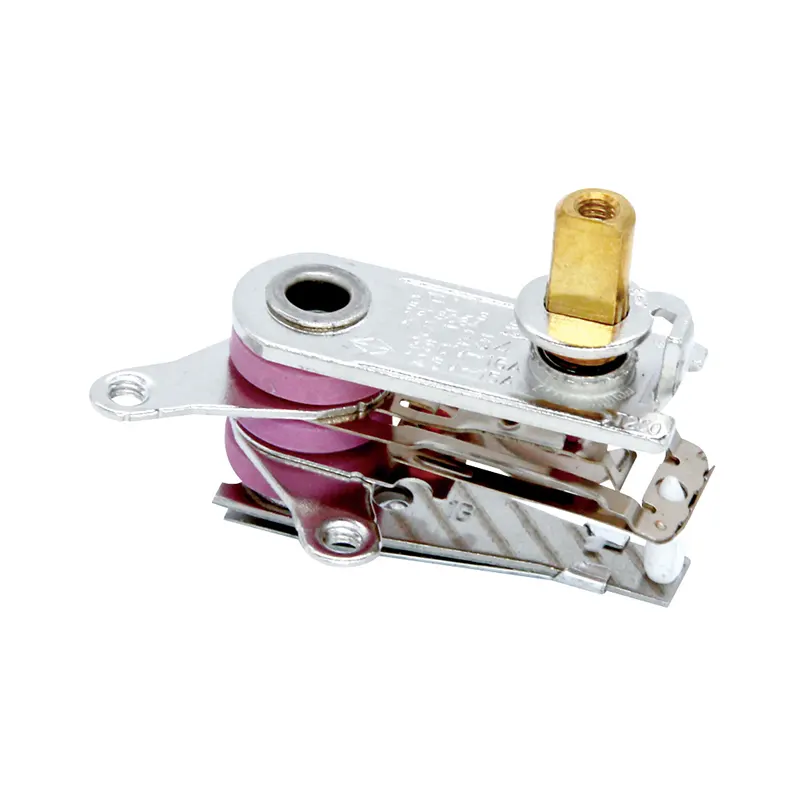
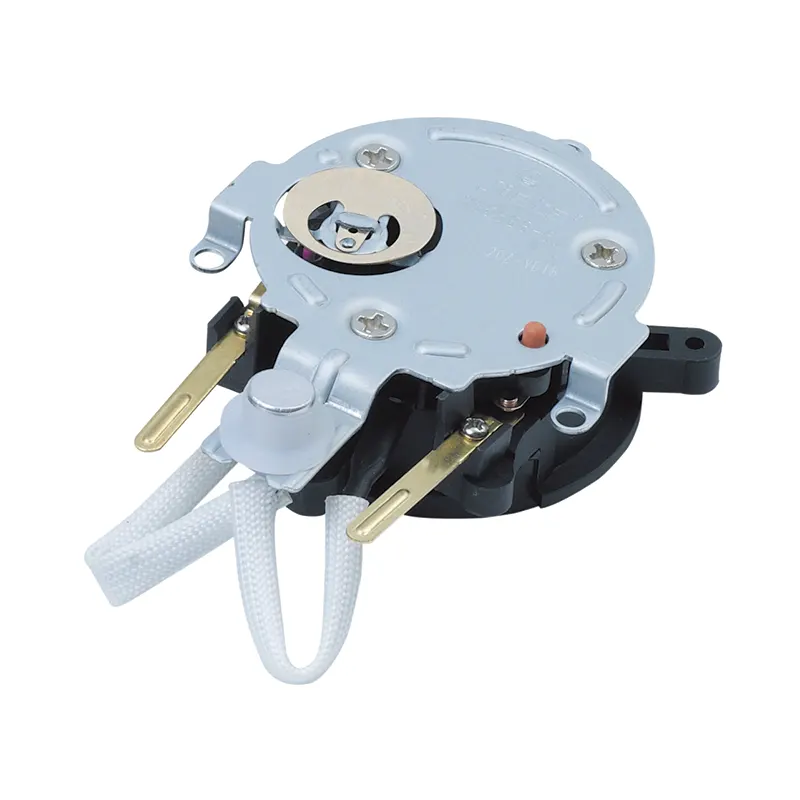
An Electrical Iron Thermostat is a mechanical temperature control device installed inside an electric iron to regulate the heating process. Its primary function is to monitor the temperature of the soleplate and automatically switch the heating element on or off according to the preset temperature range.
Without a reliable thermostat, an electric iron would continue heating uncontrollably, creating risks such as fabric damage, excessive energy consumption, component failure, and even potential safety hazards. The thermostat acts as the control center that maintains balanced heat output during daily ironing operations.
Modern electrical irons require accurate temperature management because different fabrics have different ironing requirements. Delicate materials such as silk and synthetic fibers need lower temperatures, while cotton and linen require higher heat levels. A precise thermostat allows users to achieve consistent results without manually monitoring temperature changes.
JIATAI specializes in temperature control components and provides Electrical Iron Thermostat solutions designed for household appliances, steam irons, and professional garment-care equipment. With reliable switching performance and temperature adjustment capability, JIATAI thermostats help manufacturers improve appliance safety and durability.
Why Is an Electrical Iron Thermostat Important?
Temperature instability is one of the biggest challenges faced by electric iron manufacturers and users. If the heating temperature is too high, fabrics may burn or become damaged. If the temperature is too low, ironing efficiency decreases and users need more operating time.
An efficient Electrical Iron Thermostat solves these problems by providing automatic temperature regulation. It creates a balance between heating speed, temperature accuracy, and electrical safety.
| Common Problem | Cause Without Proper Thermostat Control | Thermostat Solution |
|---|---|---|
| Fabric scorching | Excessive heating temperature | Automatically disconnects power when reaching the preset temperature |
| Slow ironing performance | Insufficient heating control | Maintains stable heat output |
| High energy consumption | Continuous heating operation | Reduces unnecessary power usage through automatic switching |
| Short product lifespan | Overheated internal components | Provides thermal protection and controlled operation |
For appliance manufacturers, thermostat quality directly affects customer satisfaction. A poorly designed temperature control component may lead to inconsistent product performance, warranty issues, and increased maintenance costs.
By using professionally manufactured thermostat components, brands can improve product reliability and create safer ironing appliances.
How Does an Electrical Iron Thermostat Work?
An Electrical Iron Thermostat operates based on the principle of thermal expansion. Most traditional models use a bimetallic element that reacts to temperature changes.
A bimetallic strip consists of two different metals bonded together. Because each metal expands at a different rate when heated, the strip bends as the temperature rises. This movement controls electrical contacts connected to the heating circuit.
| Operating Stage | Thermostat Action | Heating Result |
|---|---|---|
| Cold start | Contacts remain closed | Electric current reaches heating element |
| Temperature increase | Bimetal element bends gradually | Soleplate temperature rises |
| Target temperature reached | Contacts open | Heating element stops receiving power |
| Temperature decreases | Bimetal returns to original position | Heating cycle starts again |
This repeated switching process keeps the soleplate temperature within a controlled range. The thermostat does not simply turn heating on or off once; instead, it continuously adjusts operation throughout the ironing process.
Advanced thermostat designs may include improved contact materials, stronger insulation structures, and optimized mechanical adjustment systems to enhance service life and temperature accuracy.
What Are the Main Components of an Electrical Iron Thermostat?
Understanding the internal structure of a thermostat helps manufacturers evaluate quality and performance. Although designs may vary depending on application requirements, most electrical iron thermostats contain several important parts.
| Component | Function |
|---|---|
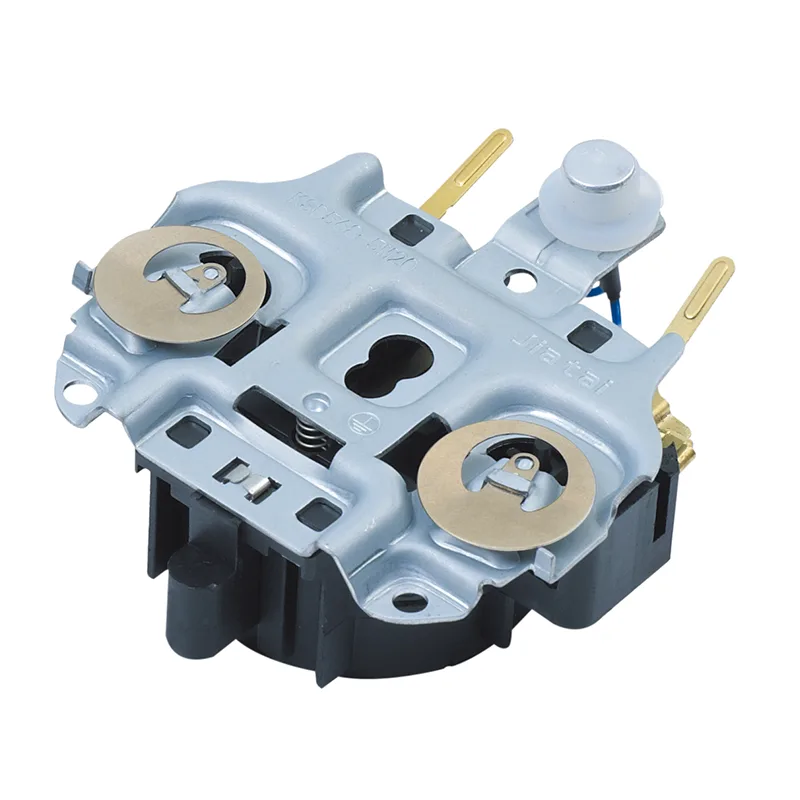
| Bimetal Element | Senses temperature changes and creates mechanical movement |
| Electrical Contacts | Connect and disconnect current flow |
| Adjustment Mechanism | Allows temperature setting control |
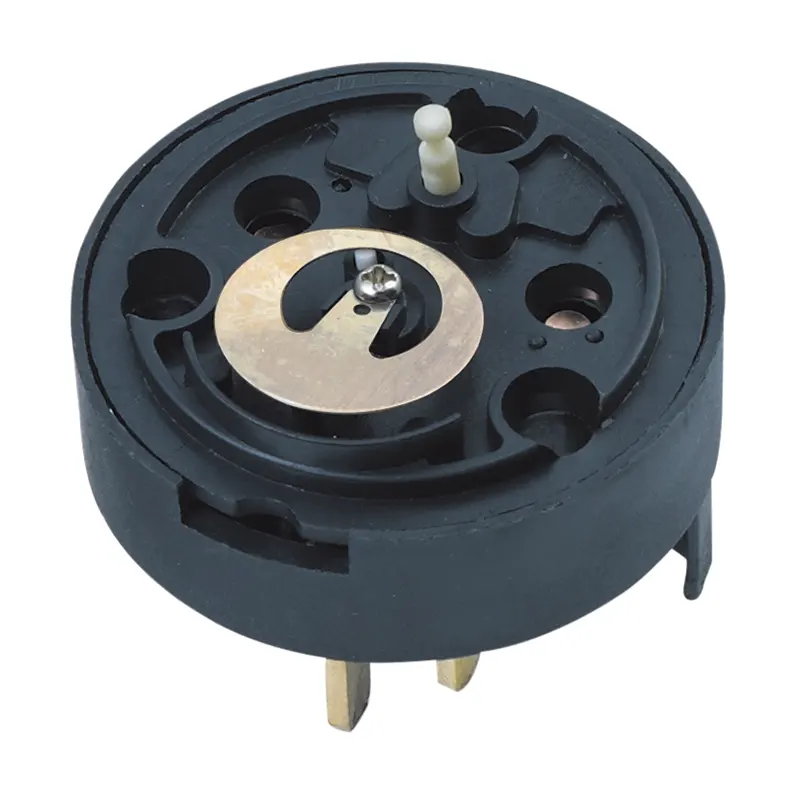
| Insulation Material | Protects against electrical leakage and high temperature |
| Housing Structure | Provides mechanical protection and installation support |
The quality of each component influences thermostat performance. For example, contact materials must withstand repeated electrical switching, while insulation materials must maintain stability under high-temperature conditions.
JIATAI develops thermostat products with attention to material selection, manufacturing precision, and durability testing. These factors help ensure reliable performance for different electric iron designs.
What Advantages Does a High-Quality Electrical Iron Thermostat Provide?
Selecting a reliable thermostat brings significant benefits for both appliance manufacturers and end users. A high-performance thermostat improves product safety, reduces failures, and enhances overall user experience.
- Stable Temperature Control: Maintains consistent ironing temperatures for different fabrics.
- Improved Safety: Prevents overheating by automatically controlling electrical connection.
- Long Service Life: Durable materials support repeated heating cycles.
- Energy Efficiency: Reduces unnecessary heating operation.
- Better Product Reputation: Reliable temperature control improves customer satisfaction.
For manufacturers competing in the global appliance market, thermostat selection is not only a component decision but also an important factor influencing final product quality.
How to Choose the Right Electrical Iron Thermostat?
Selecting a suitable Electrical Iron Thermostat requires careful consideration of temperature accuracy, electrical specifications, mechanical compatibility, and application requirements. For manufacturers, choosing the wrong thermostat may result in unstable heating performance, higher production costs, and customer complaints.
A reliable thermostat should match the electric iron design while providing consistent switching performance throughout the product lifespan. The following factors are important when evaluating thermostat solutions.
| Selection Factor | Why It Matters | Recommended Consideration |
|---|---|---|
| Temperature Range | Determines whether the thermostat can support different fabric requirements | Select a suitable temperature control range based on iron application |
| Electrical Rating | Affects safety and compatibility with heating elements | Match voltage and current requirements accurately |
| Switching Durability | Influences product service life | Choose thermostats designed for frequent on/off cycles |
| Installation Structure | Affects assembly efficiency | Ensure dimensions and mounting methods fit the iron design |
| Material Quality | Impacts heat resistance and reliability | Use components with stable insulation and durable contacts |
Manufacturers should also consider supplier experience and technical support. A professional thermostat supplier can provide customized solutions according to product specifications instead of offering only standard models.
JIATAI focuses on developing practical temperature control solutions that meet different electric appliance requirements. Through precise manufacturing processes and quality management, JIATAI helps customers achieve stable thermostat performance for various electric iron applications.
What Factors Affect Electrical Iron Thermostat Performance?
Although an Electrical Iron Thermostat is designed for automatic temperature control, several external and internal factors can influence its actual performance. Understanding these factors allows manufacturers to improve product reliability and reduce potential failures.
| Influencing Factor | Possible Impact | Improvement Method |
|---|---|---|
| Temperature Calibration Accuracy | Incorrect heat regulation | Perform precise calibration during production |
| Electrical Load | Contact wear or overheating | Select suitable current and voltage ratings |
| Environmental Conditions | Aging of insulation materials | Use heat-resistant and reliable materials |
| Mechanical Stress | Reduced switching reliability | Optimize internal structure design |
| Manufacturing Quality | Performance inconsistency | Apply strict production inspection procedures |
Temperature control components operate under repeated thermal cycles. Every time the iron heats up and cools down, the thermostat experiences mechanical movement and electrical switching. Therefore, durability is a key factor in determining the overall quality of the appliance.
A well-designed thermostat should maintain stable performance after thousands of operating cycles. This reliability helps manufacturers reduce after-sales service costs and improve customer trust.
How Does an Electrical Iron Thermostat Improve User Safety?
Safety is one of the most important requirements for household heating appliances. Since electric irons operate at high temperatures, effective thermal protection is necessary to prevent dangerous situations.
An Electrical Iron Thermostat improves safety by controlling the heating process automatically. When the soleplate reaches the preset temperature, the thermostat interrupts the electrical connection. When the temperature decreases, it reconnects the circuit to continue heating.
- Prevents excessive temperature rise
- Reduces the possibility of fabric burning
- Protects internal electrical components
- Improves appliance operating stability
- Provides users with safer ironing experiences
For modern appliance manufacturers, safety performance is a major factor influencing market acceptance. A dependable thermostat design contributes directly to product compliance and long-term reliability.
Where Are Electrical Iron Thermostats Used?
Although electric irons are the most common application, thermostat technology is widely used in many heating appliances that require accurate temperature management.
| Application Field | Thermostat Function |
|---|---|
| Household Electric Irons | Controls soleplate temperature for daily garment care |
| Steam Irons | Maintains proper heat levels during steam generation |
| Professional Garment Equipment | Provides stable temperature control for continuous operation |
| Small Heating Appliances | Regulates heating cycles for safe operation |
Different applications may require different thermostat specifications. Industrial and commercial equipment often demands higher durability, while household products focus on compact size, cost efficiency, and reliable operation.
JIATAI provides thermostat solutions suitable for various appliance applications and supports customers in selecting products according to their technical requirements.
What Are the Common Problems of Electrical Iron Thermostats?
Understanding common thermostat problems helps manufacturers and users identify potential issues quickly. Many failures are related to improper selection, aging components, or unsuitable operating conditions.
| Problem | Possible Cause | Solution |
|---|---|---|
| Iron temperature is unstable | Thermostat calibration deviation | Check temperature settings and component accuracy |
| Heating does not stop | Electrical contacts fail to disconnect | Inspect thermostat switching performance |
| Iron heats slowly | Incorrect thermostat specification | Verify compatibility with heating element |
| Short service life | Poor material quality or excessive load | Select durable thermostat components |
Regular product testing and correct component selection are essential for preventing these issues. Manufacturers that cooperate with experienced suppliers can significantly improve product consistency.
Why Choose JIATAI for Electrical Iron Thermostat Solutions?
Choosing the right thermostat supplier is an important decision for appliance manufacturers. A professional supplier should provide not only reliable components but also technical understanding of temperature control applications.
JIATAI focuses on thermostat development and manufacturing, providing Electrical Iron Thermostat products designed for stable operation, accurate temperature control, and long-term durability.
- Professional experience in temperature control components
- Reliable manufacturing processes
- Attention to product consistency and safety
- Solutions suitable for different appliance requirements
- Technical support for customer applications
By selecting dependable thermostat solutions, manufacturers can improve electric iron performance, reduce product risks, and provide better user experiences.
Frequently Asked Questions About Electrical Iron Thermostat
Q1: What is the main function of an Electrical Iron Thermostat?
An Electrical Iron Thermostat controls the heating cycle of an electric iron by automatically switching the power supply on and off according to temperature changes. It helps maintain stable heat and prevents overheating.
Q2: Why does an electric iron need a thermostat?
An electric iron needs a thermostat because different fabrics require different temperatures. The thermostat ensures accurate temperature control while improving safety and energy efficiency.
Q3: How long can an Electrical Iron Thermostat last?
The service life depends on product quality, operating conditions, electrical load, and usage frequency. High-quality thermostats designed with durable materials can provide reliable performance through many heating cycles.
Q4: Can JIATAI provide customized thermostat solutions?
Yes. JIATAI can support customized requirements according to temperature range, electrical specifications, structural design, and application needs.
Q5: How can manufacturers improve electric iron reliability?
Manufacturers can improve reliability by selecting accurate temperature control components, using quality materials, performing strict testing, and cooperating with experienced thermostat suppliers.
Conclusion
An Electrical Iron Thermostat plays a vital role in controlling temperature, improving safety, and extending appliance service life. As electric irons continue to develop toward higher efficiency and better user experience, reliable thermostat technology becomes increasingly important.
From preventing overheating problems to maintaining consistent ironing performance, a high-quality thermostat provides essential protection for both manufacturers and users. JIATAI delivers dependable temperature control solutions designed to support modern appliance requirements.
If you are looking for a reliable Electrical Iron Thermostat solution with stable performance, professional manufacturing support, and customized options, contact us today. JIATAI is ready to help you develop safer and more efficient temperature control products.
Related News
- What Is the Difference Between a Bimetal Thermostat and an NTC Thermostat?
- How Can an Electrical Kettle Connector Improve Power Transmission, Safety, and Appliance Reliability
- How Can Manufacturers Test an Electric Kettle Thermostat?
- How Can a 5 Pins NTC Elecgtronic Thermostat Improve Temperature Control and Safety in Modern Kettles
- What Causes an Electric Kettle Thermostat to Fail?
- How Can a LOSO Type Electrical Kettle Controller Improve Kettle Safety and Heating Reliability
Leave me a message