
How Can a 5 Pins NTC Elecgtronic Thermostat Improve Temperature Control and Safety in Modern Kettles
Article Summary: Modern multifunction kettles and health pots require more than simple boiling control. Accurate temperature sensing, responsive switching, dry-burn protection, and reliable electrical integration are increasingly important for appliance manufacturers. The 5 Pins NTC Elecgtronic Thermostat combines NTC temperature sensing with a five-pole electrical structure to support precise and stable thermal management. This article explains how it works, its key advantages, technical specifications, application areas, and the factors manufacturers should consider when selecting a thermostat for mass-production appliances.
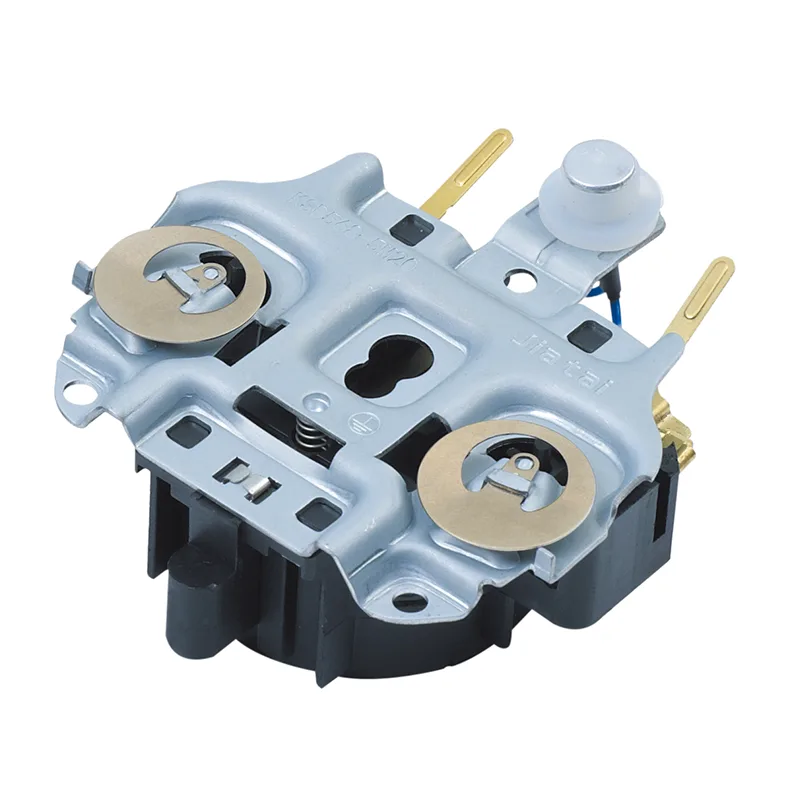
Table of Contents
- What Is a 5 Pins NTC Elecgtronic Thermostat?
- How Does NTC Temperature Control Work?
- What Are the Key Features?
- What Are the Main Technical Specifications?
- Where Is It Used?
- How Should Manufacturers Select the Right Thermostat?
- Why Consider JIATAI for OEM Thermostat Supply?
- Frequently Asked Questions
- Conclusion
What Is a 5 Pins NTC Elecgtronic Thermostat?
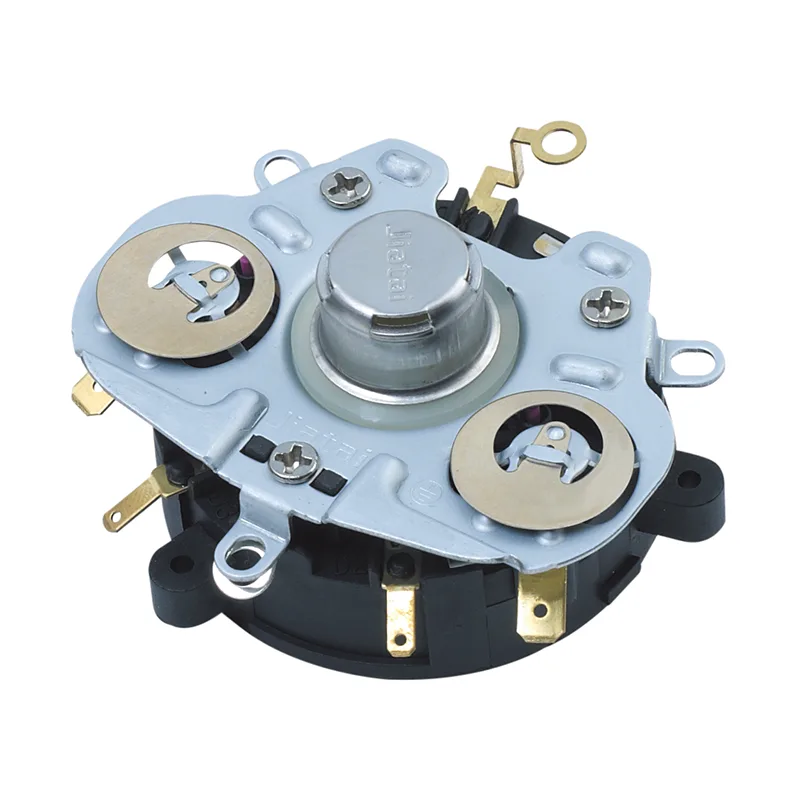
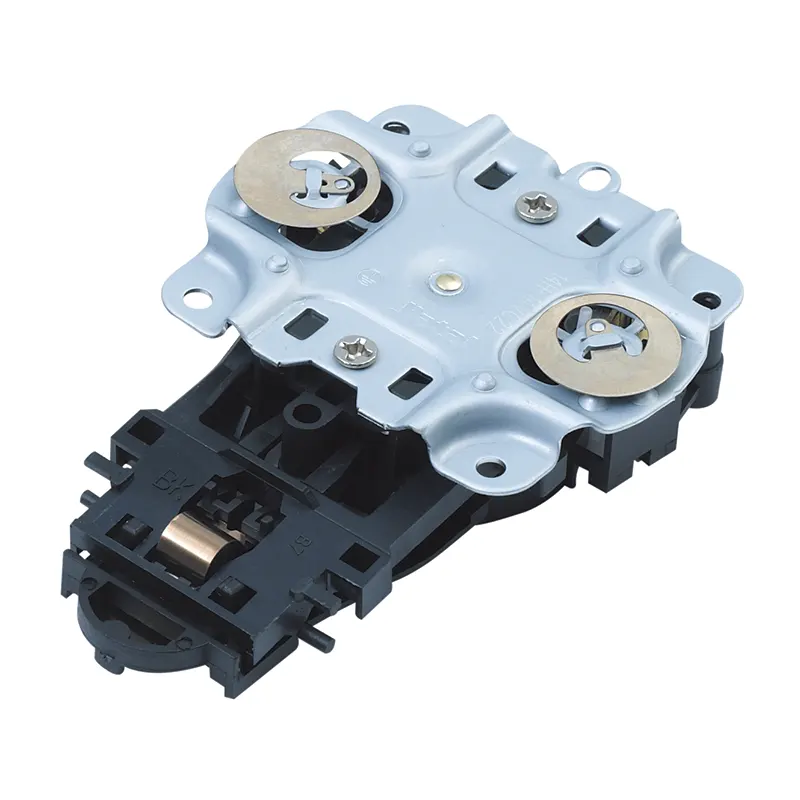
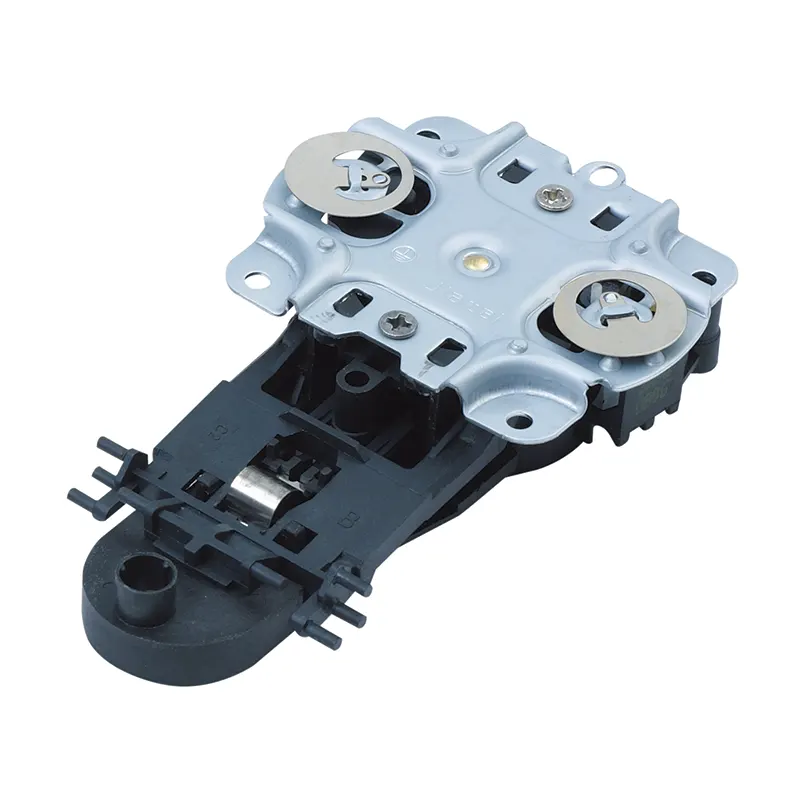
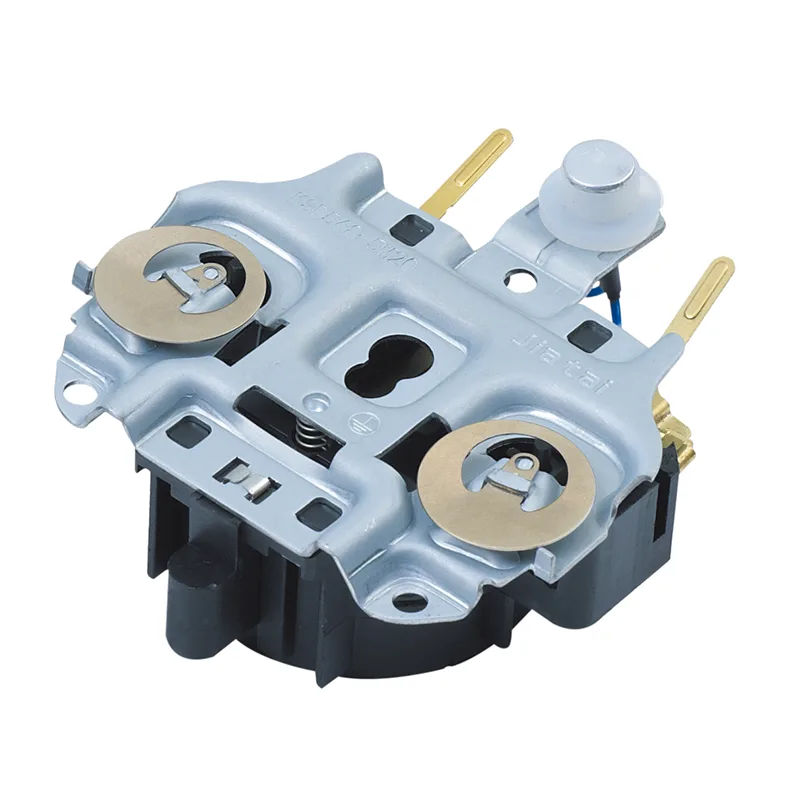
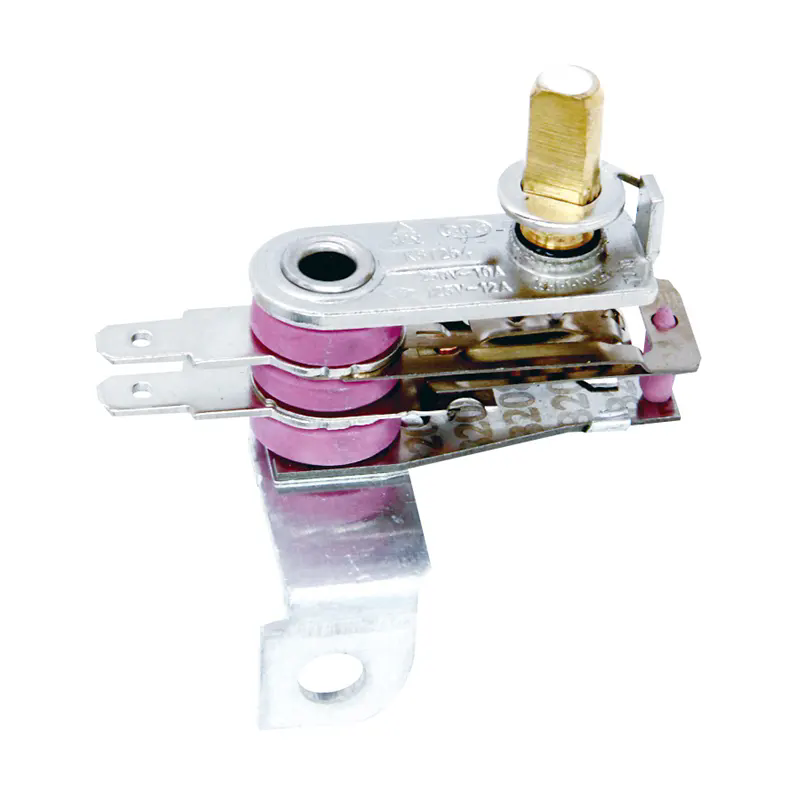
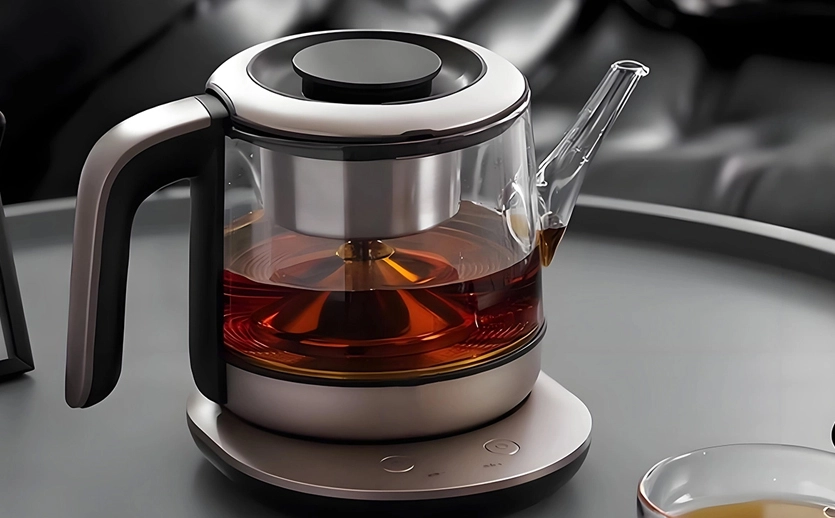
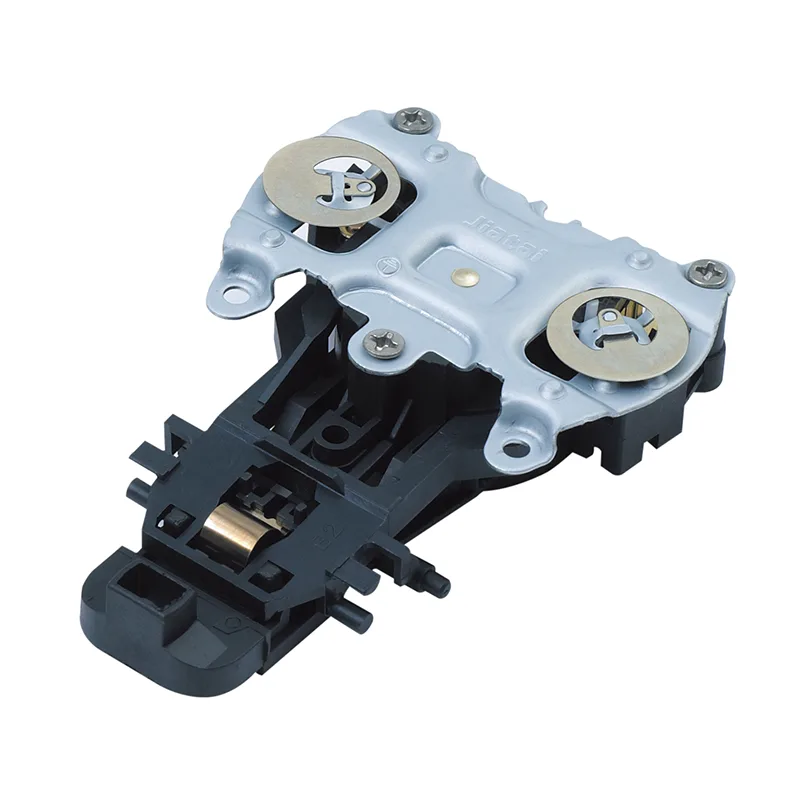
For manufacturers developing multifunctional heating appliances, temperature control is a critical part of both performance and product safety. The 5 Pins NTC Elecgtronic Thermostat from JIATAI is designed for multifunction kettles, health pots, tea makers, and other compact heating appliances that require more responsive temperature monitoring than a conventional mechanical temperature switch can provide.
The core technology combines an NTC temperature sensor with an electronic control structure. NTC, or Negative Temperature Coefficient, means that the resistance of the sensing element changes as temperature changes. This changing electrical signal can be monitored by the appliance control system to obtain useful temperature feedback.
Unlike a basic thermostat designed mainly around a fixed switching point, an NTC-based solution can support more sophisticated temperature management. This makes it particularly useful for appliances that may need different heating stages or temperature settings rather than a single boiling cycle.
JIATAI states that its thermostat is developed with more than 40 years of temperature-control experience and is intended for global appliance manufacturing applications. The five-pole configuration also provides flexible electrical integration for multifunction appliance designs.
How Does NTC Temperature Control Work?
An NTC sensor responds to temperature variations through changes in electrical resistance. As the appliance heats, the sensor provides temperature-related feedback to the control circuit. The controller can then use this information to determine whether heating should continue, reduce, or stop according to the appliance's programmed control strategy.
This approach is particularly useful when an appliance needs to maintain a specific temperature instead of simply reaching boiling point. For example, a health pot may require different temperature stages for different beverage or food preparation functions.
The basic operating process can be understood through the following sequence:
- Temperature sensing: The integrated NTC element detects changes in the appliance's thermal condition.
- Signal feedback: Temperature-related resistance changes are transmitted to the control circuit.
- Control decision: The appliance control system interprets the sensor feedback.
- Heating adjustment: The heating system responds according to the programmed temperature requirements.
- Safety response: Additional thermal protection can help reduce the risk associated with abnormal or dry-heating conditions.
This combination of sensing and switching makes an electronic thermostat suitable for modern appliances that require greater temperature-control flexibility.
What Are the Key Features?
1. Integrated NTC Temperature Sensing
The integrated NTC sensing structure provides continuous temperature feedback for applications requiring accurate thermal monitoring. Compared with a simple mechanical switching mechanism, this architecture is better suited to appliances with multiple temperature-control requirements.
2. Five-Pole Electrical Structure
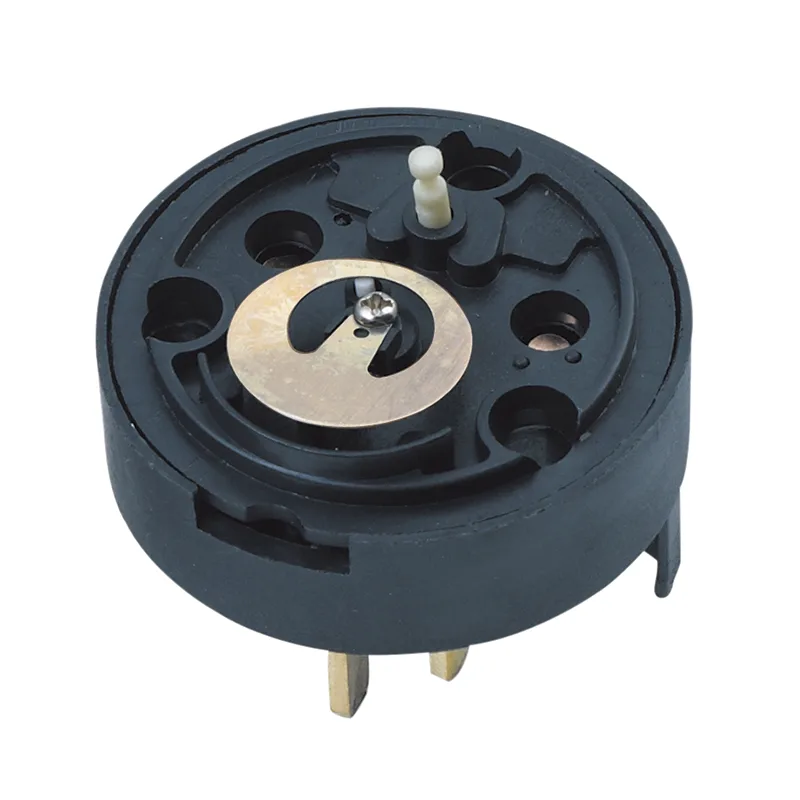
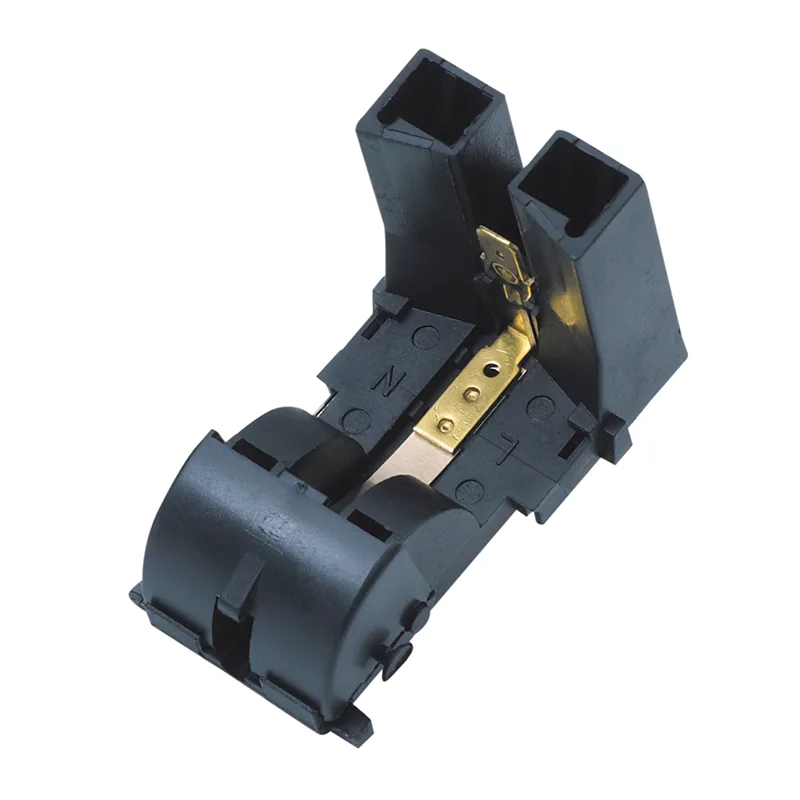
The five-pole configuration allows electrical connections to be organized within a compact component. For appliance engineers, this can simplify circuit integration when both heating control and temperature sensing need to be accommodated within the same system.
3. Secondary Dry-Burn Protection
Dry heating can occur when an appliance operates with insufficient or no water. The JIATAI design incorporates secondary dry-burn protection to provide an additional safety layer against abnormal heating conditions. This is particularly relevant to kettles and health pots where water-level conditions can change during operation.
4. Durable Plastic and Brass Construction
The thermostat uses plastic and brass materials selected for electrical and mechanical integration. Durable component construction is important for appliances subjected to repeated heating and cooling cycles.
5. Long Operating Life
The specified operating life reaches up to 10,000 cycles. For manufacturers producing appliances for repeated household use, cycle durability is an important consideration when evaluating component reliability.
6. International Certification Options
The published specifications include certification and approval references such as CQC, CB, SEMKO, and ETL for the corresponding electrical ratings. These approvals can help manufacturers address market-specific compliance requirements during product development.
What Are the Main Technical Specifications?
Understanding the electrical and environmental specifications is essential before integrating an electronic thermostat into a new appliance design. The following table summarizes the key specifications published by JIATAI:
| Specification | Details |
|---|---|
| Product Type | 5 Pins NTC Elecgtronic Thermostat |
| Electrical Rating | 250V~10A |
| North American Rating | 125V~13A |
| Approvals | CQC, CB, SEMKO, ETL |
| Maximum Ambient Temperature | T125 |
| Operating Life | Up to 10,000 cycles |
| Temperature Accuracy | ±5°C |
| Hi-Pot Test | 2200V AC for 1 minute |
| Electrical Configuration | Five poles |
| Standard Color | Black |
| Main Materials | Plastic and brass |
Actual electrical integration should always be evaluated against the complete appliance circuit, heating element characteristics, insulation requirements, operating environment, and applicable market standards. Product specifications should also be confirmed with the manufacturer before final design approval.
Where Is It Used?
The combination of NTC temperature sensing, five-pole integration, and additional thermal protection makes this type of thermostat suitable for several small household heating applications.
- Multifunction kettles: Supports temperature-sensitive heating functions beyond simple boiling.
- Health pots: Suitable for appliances that require controlled heating at different temperatures.
- Tea makers: Helps support temperature management for different tea preparation requirements.
- Multifunction beverage appliances: Provides temperature feedback for products with more complex heating programs.
- Small heating appliances: Can be considered where compact temperature sensing and electrical switching are required.
For product developers, the most important advantage is flexibility. A thermostat designed for intelligent temperature feedback can provide a stronger foundation for appliances offering multiple operating modes.
How Should Manufacturers Select the Right Thermostat?
Selecting a thermostat should involve more than checking its nominal voltage and current rating. Engineers should evaluate the complete operating environment and the intended appliance functions.
Electrical Compatibility
Check voltage, current, pole configuration, terminal arrangement, insulation requirements, and compatibility with the heating element. The thermostat must match the electrical architecture of the finished appliance.
Temperature Requirements
Determine whether the appliance needs a simple automatic shut-off function or more detailed temperature feedback. Multifunction appliances typically benefit from an NTC-based sensing approach.
Safety Requirements
Consider dry-burn protection, abnormal heating conditions, high-potential testing, insulation, and applicable safety certifications. These factors should be assessed during product validation rather than after mass production begins.
Mechanical Integration
Dimensions, terminal positions, mounting structure, materials, and connection methods should be checked against the appliance's internal layout. A component that meets electrical requirements but is difficult to assemble can increase manufacturing complexity.
Expected Operating Cycles
Household appliances may experience thousands of heating cycles during their service life. Selecting a thermostat with an appropriate cycle rating can help manufacturers establish more reliable product-life expectations.
Why Consider JIATAI for OEM Thermostat Supply?
Supplier capability matters when a thermostat becomes part of a high-volume appliance platform. According to JIATAI's published company information, the company has more than 40 years of experience in temperature-control technology and combines R&D, manufacturing, testing, and sales capabilities.
JIATAI also reports large-scale manufacturing resources, automated production and inspection lines, and an annual production capacity exceeding 100 million units. Its published company profile further identifies a portfolio of Chinese invention patents, international patents, utility model patents, and design patents.
For OEM and ODM buyers, this manufacturing background can be relevant when developing a new kettle or health-pot platform. A component supplier should be able to support not only sample delivery but also engineering communication, production consistency, testing, and customization.
JIATAI also provides OEM customization based on customer drawings, samples, and technical requirements. Buyers can review the company's thermostat product range to compare related electrical thermostat and kettle control solutions.
For additional technical information, manufacturers can also review the 5 Pins NTC Elecgtronic Thermostat product page and confirm current specifications with JIATAI's engineering team before placing a production order.
Frequently Asked Questions
1. What does NTC mean in an electronic thermostat?
NTC stands for Negative Temperature Coefficient. An NTC thermistor changes its electrical resistance as temperature changes, allowing the control system to obtain temperature-related feedback for thermal management.
2. What is the advantage of a 5 Pins NTC Elecgtronic Thermostat?
It combines NTC temperature sensing with a five-pole electrical structure, allowing more flexible integration into multifunction kettles, health pots, tea makers, and other small heating appliances requiring temperature feedback.
3. What appliances can use this thermostat?
The product is designed for multifunction kettles, health pots, tea makers, and other small household heating appliances that require accurate temperature monitoring and reliable switching control.
4. Does the thermostat provide dry-burn protection?
Yes. The published product information specifies secondary dry-burn protection, providing an additional safety function for abnormal heating conditions caused by insufficient water or other operating problems.
5. How long can the thermostat operate?
The specified operating life is up to 10,000 cycles. Actual service performance depends on the appliance design, electrical load, temperature conditions, installation method, and operating environment.
6. What certifications are available?
The published specifications list CQC, CB, SEMKO, and ETL in connection with the stated electrical ratings. Manufacturers should confirm the applicable approval documentation and certification scope for their specific target market.
7. Can JIATAI provide OEM customization?
Yes. JIATAI states that it supports OEM customization based on customer drawings, samples, and technical requirements. Engineering teams can discuss electrical, structural, and application-specific requirements before production.
Conclusion
A reliable thermostat is an important component in the performance and safety of modern multifunction heating appliances. By combining NTC temperature sensing, a five-pole electrical structure, secondary dry-burn protection, durable construction, and a specified operating life of up to 10,000 cycles, the 5 Pins NTC Elecgtronic Thermostat provides a practical solution for temperature-sensitive appliance designs.
For manufacturers developing multifunction kettles, health pots, tea makers, or other compact heating products, selecting the thermostat early in the engineering process can simplify electrical integration and help establish consistent temperature-control performance. If you are planning a new appliance project, evaluating OEM requirements, or looking for a reliable China thermostat manufacturer, contact us at JIATAI to discuss your drawings, samples, technical specifications, and bulk-production requirements.
Previous :
-
Related News
- What Causes an Electric Kettle Thermostat to Fail?
- How Can a LOSO Type Electrical Kettle Controller Improve Kettle Safety and Heating Reliability
- Why Is Dry-Boil Protection Important in an Electric Kettle?
- Why Is a Bottom Pumping Thermostat Essential for Reliable and Efficient Temperature Control
- How Does a 5-Pole Electric Kettle Thermostat Differ From a 3-Pole Design?
- What Makes an Electrical Iron Thermostat Essential for Accurate Temperature Control?
Leave me a message