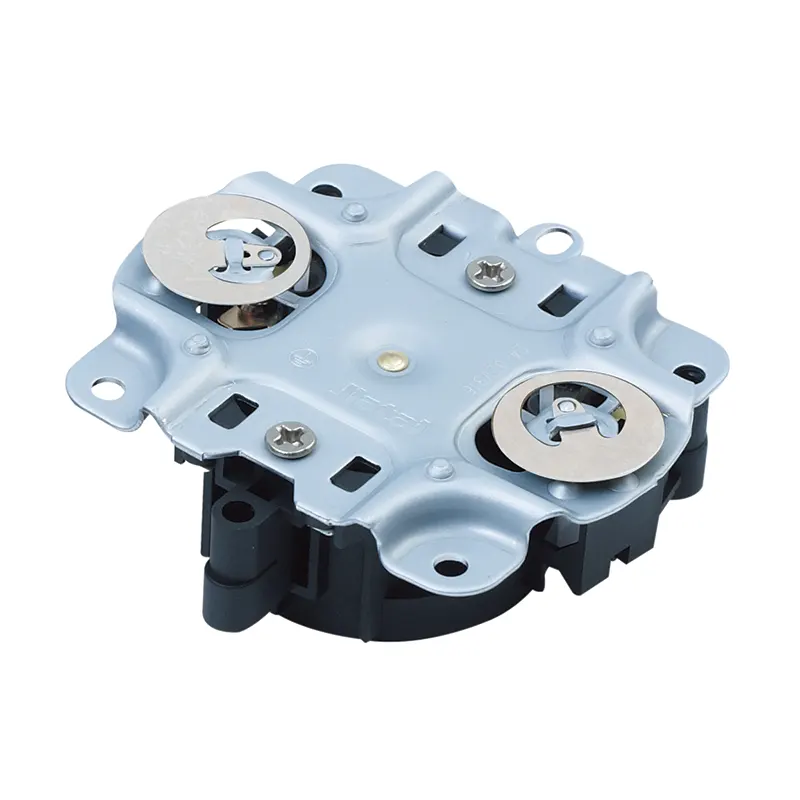
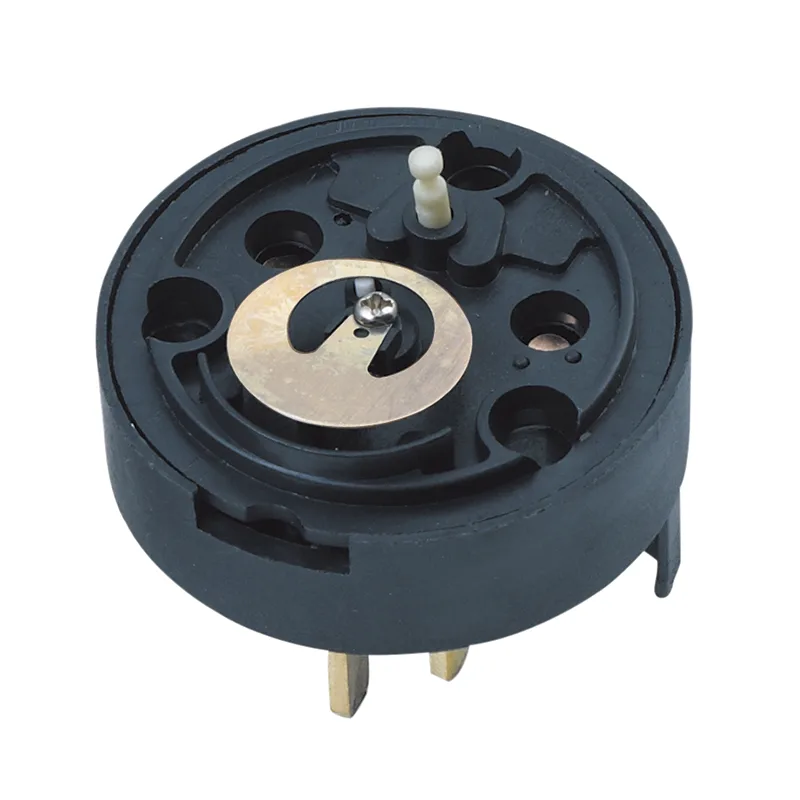
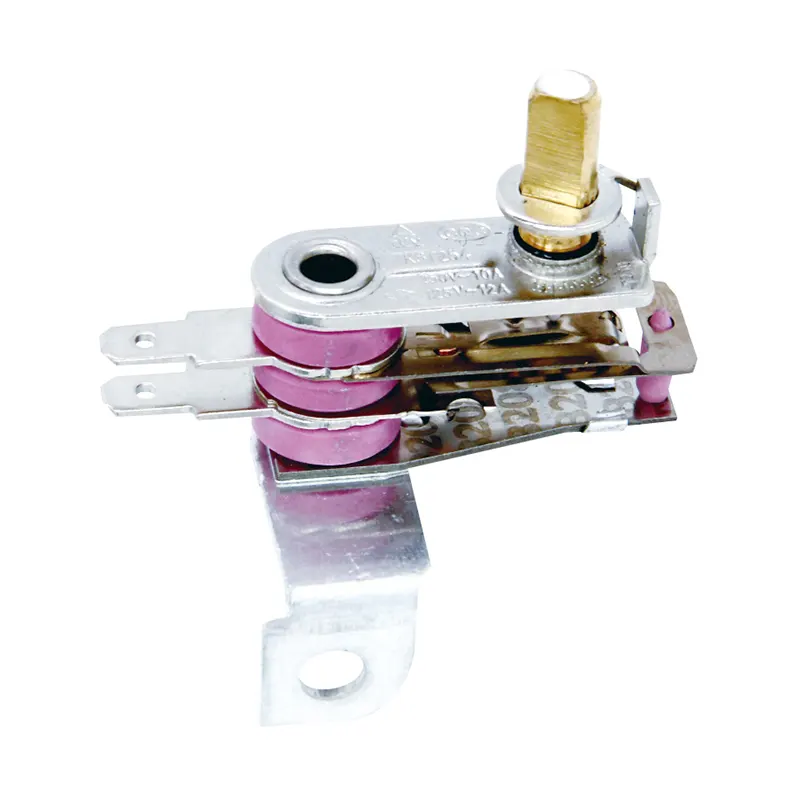
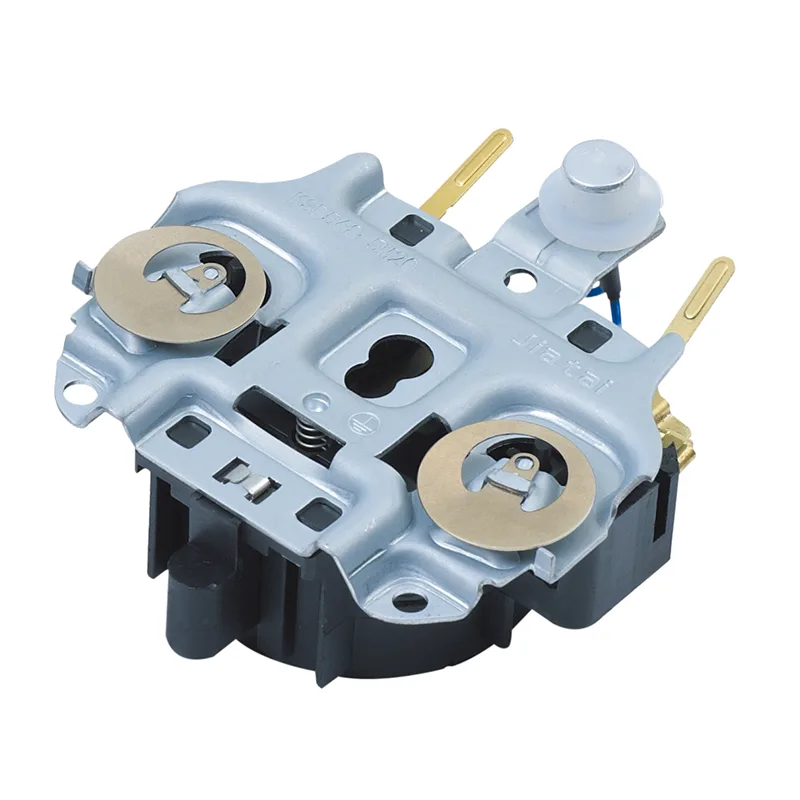
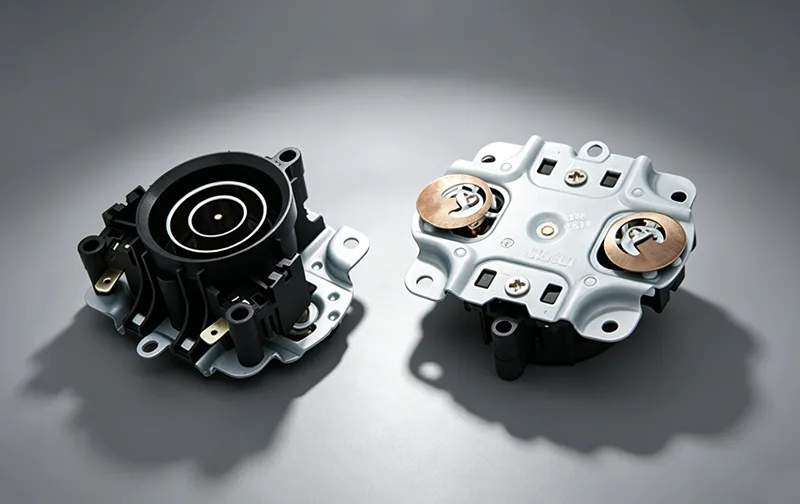
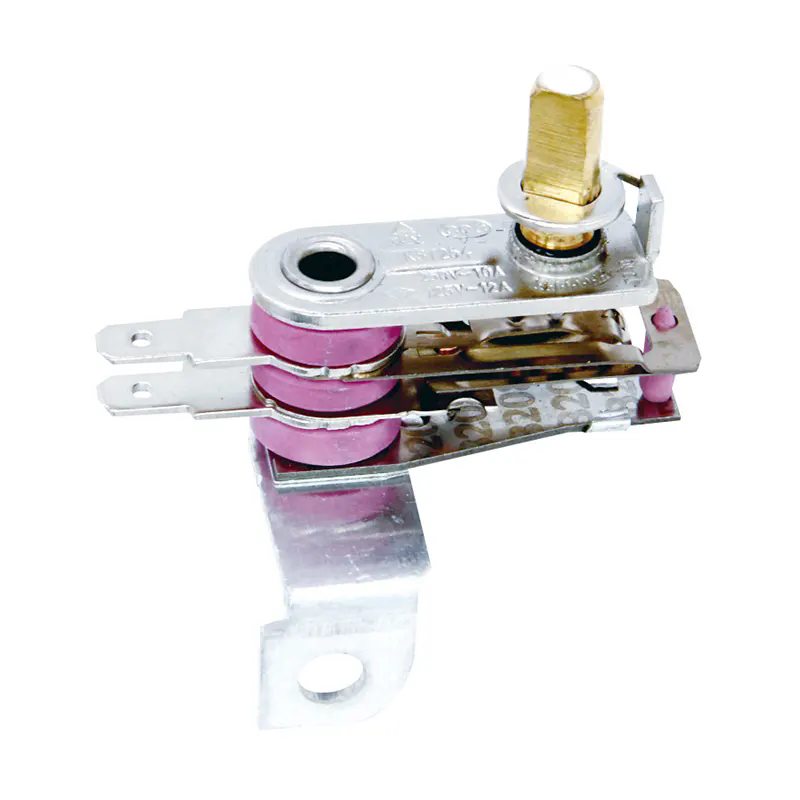
The first step is confirming that the electrical circuit behaves as intended.
Depending on the product specification, testing may include:
· Contact continuity
· Switching behavior
· Insulation
· High-voltage endurance
· Terminal performance
Temperature Testing
The thermostat needs to respond to the intended thermal conditions.
Engineers can evaluate:
· Operating temperature
· Cut-off behavior
· Recovery characteristics
· Repeatability
· Abnormal heating response
The exact test limits should be established according to the product specification and applicable requirements.
Mechanical Testing
A kettle thermostat operates repeatedly, so mechanical endurance is important.
Testing can examine whether the switching mechanism continues to function after repeated cycles.
Environmental Testing
Products used in kitchen appliances may encounter humidity, heat and other environmental conditions.
For appropriate designs, environmental evaluations can provide additional information about long-term performance.
Jiatai states that its thermostat development and validation process includes high-voltage endurance, functional cycling and salt-spray evaluation where relevant.
Why Test the Complete Assembly?
Testing the thermostat by itself is useful, but it does not replace testing inside the actual appliance.
The kettle body, heater, steam path, base, wiring and thermostat all influence the final result.
For OEM projects, this is why sample validation should happen before mass production.
A factory that can support both component testing and application-level development gives the buyer a clearer path from prototype to production.
We use cookies to offer you a better browsing experience, analyze site traffic and personalize content. By using this site, you agree to our use of cookies. Privacy Policy