China Electrical Oven Thermostat Manufacturer
Understanding the Core of Temperature Control
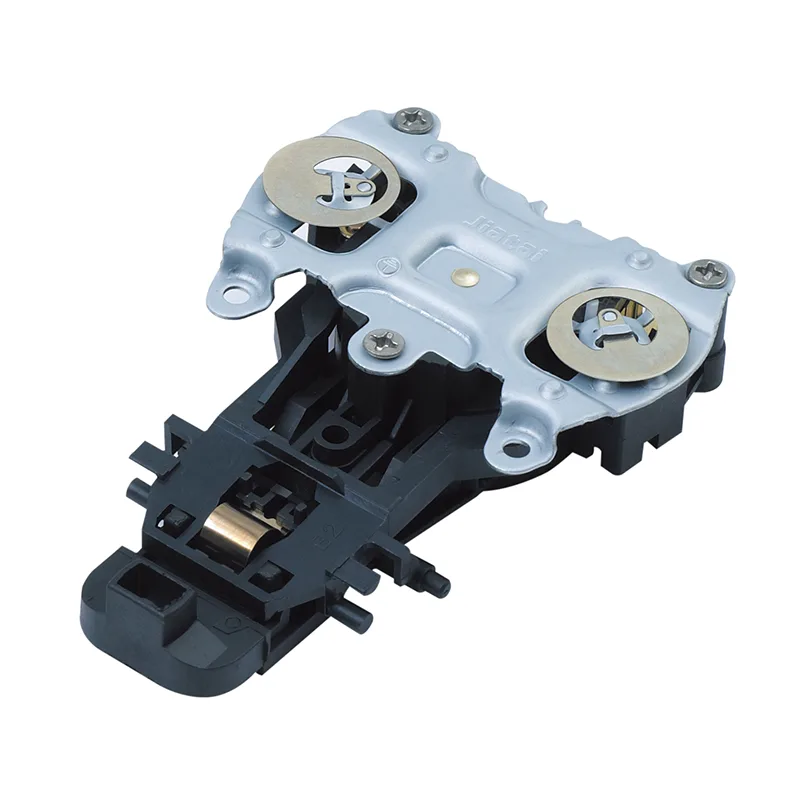
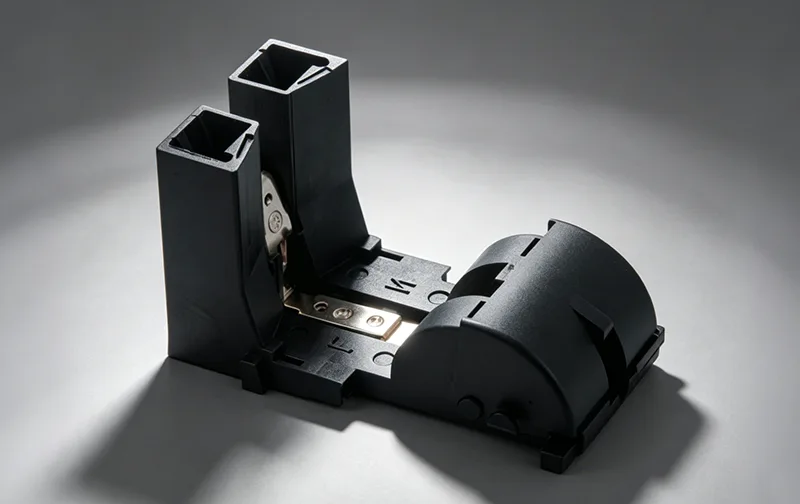
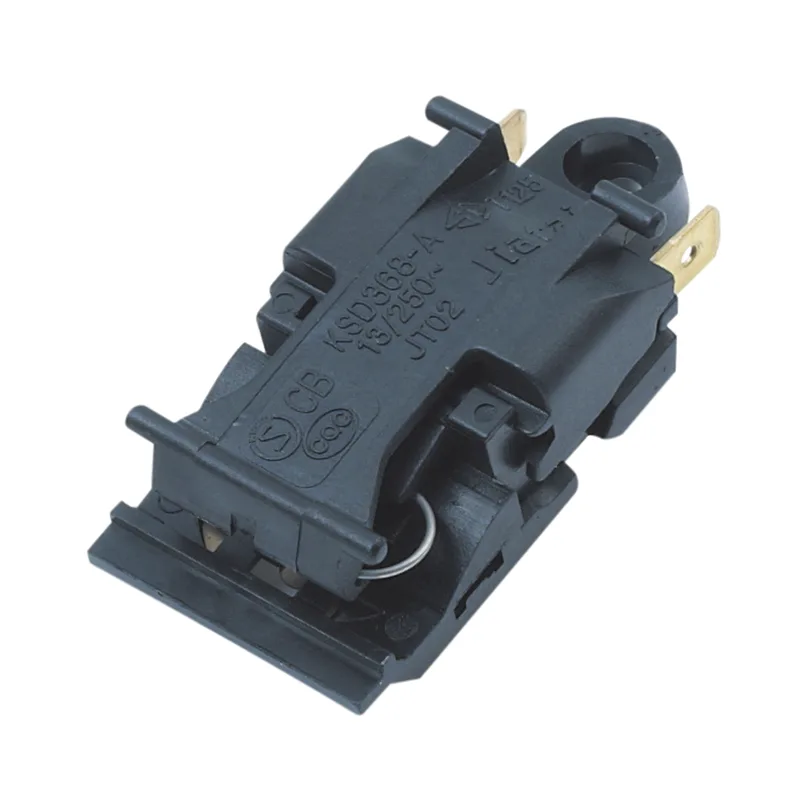
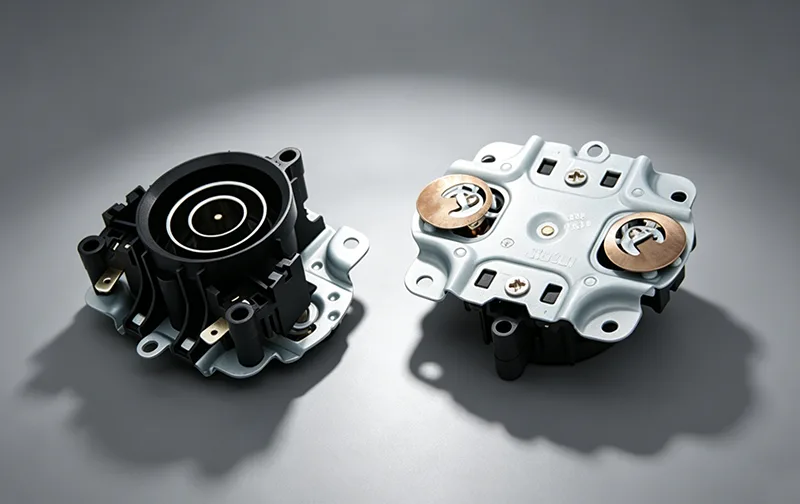
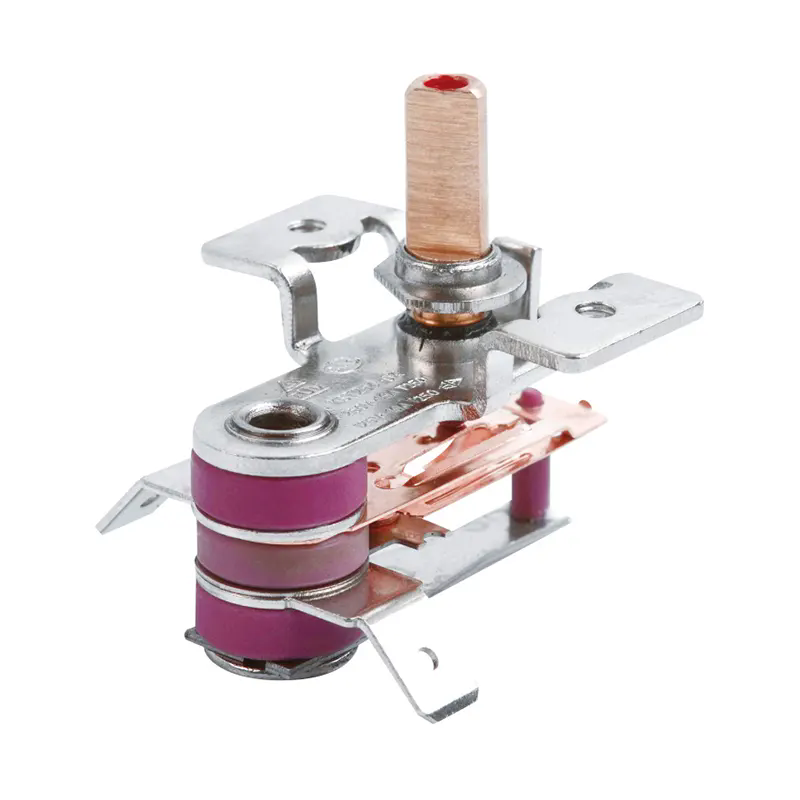
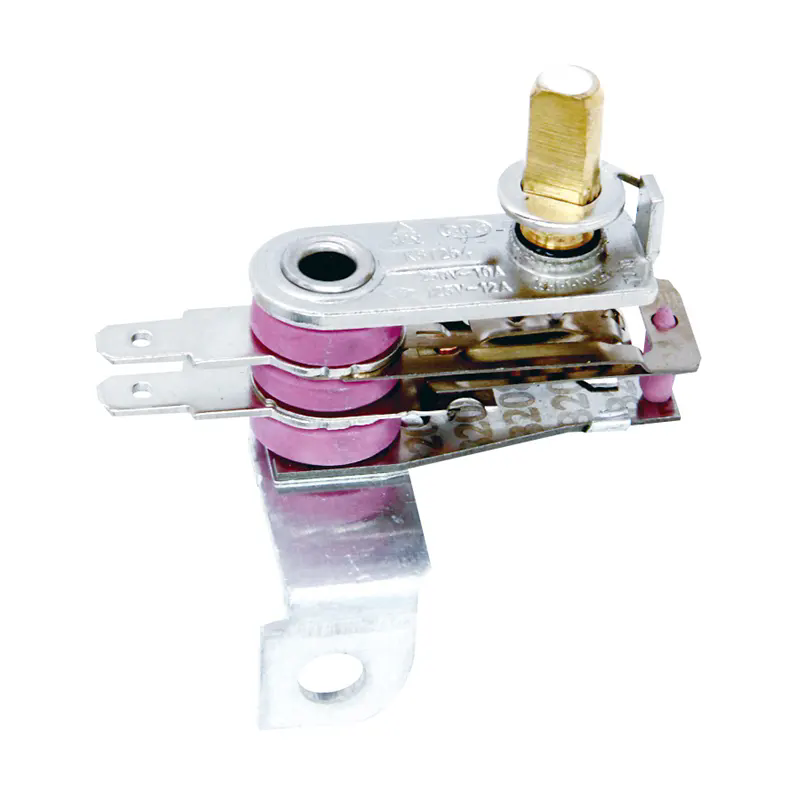
Precision in cooking and baking often begins with a small but mighty component that governs heat consistency inside every electric oven. The Electrical Oven Thermostat acts as the command center for heat regulation, ensuring that your oven reaches the set temperature and maintains it throughout the cooking cycle. Without a reliable thermostat, even the most advanced oven can produce unevenly baked goods, undercooked centers, or burnt exteriors. For both household kitchens and commercial food establishments, the reliability of the electrical oven thermostat directly translates into energy efficiency, food quality, and safety.
The JIATAI Advantage in Thermal Regulation
Behind many high-performing ovens lies the engineering expertise of JIATAI, a brand synonymous with durability and accurate temperature sensing. JIATAI electrical oven thermostats are constructed with industrial-grade materials and designed to withstand continuous thermal cycling without drift. The sensing element, typically a liquid-filled capillary or a bimetallic disc combined with precise snap-action contacts, is calibrated to react within a narrow tolerance band. This ensures that when you set your oven to 180°C, the actual cavity temperature stays remarkably close to that value, minimizing fluctuation.
Frequently Asked Questions
How can I tell if it is faulty?
Common symptoms include the oven failing to reach the set temperature, extreme temperature overshoot, or the heating element not cycling off at all. You might also notice that the oven indicator light never turns off or that baking times become unpredictable. Using an oven thermometer placed inside the cavity, compare the actual temperature with the dial setting after a 20-minute preheat. A discrepancy beyond 15°C often indicates a worn-out thermostat sensor or switch assembly. Additionally, physical signs like a loose knob that spins without resistance or visible burn marks around the thermostat body point to an internal failure. In many JIATAI-equipped ovens, such failures are rare before the rated cycle count, but if they do occur, replacing the thermostat restores factory- precise calibration.
Are JIATAI thermostats compatible with all electric oven brands?
JIATAI designs its electrical oven thermostat line to cover a broad spectrum of makes and models. Compatibility depends on the shaft dimensions, capillary length, electrical rating, and the mounting method. The JT100 and JT300 series are often direct replacements for many European and North American built-in ovens that use capillary thermostats, while the JT200 series fits freestanding ranges with bimetallic regulators. Before ordering, measure your existing thermostat's shaft (diameter and length), note the capillary length, and confirm the terminal layout. JIATAI provides detailed dimensional drawings on its specification sheets, allowing technicians to match the part with confidence. Custom variants with non-standard capillary lengths or special bulb diameters can be produced for OEM applications, making the brand a flexible choice across global markets.
Can I calibrate an electrical oven thermostat myself?
Many capillary thermostats feature a calibration screw, typically accessible from the front once the knob is removed. By inserting a small flathead screwdriver, you can adjust the mechanical zero point to shift the temperature set point. However, this procedure requires a precise oven thermometer and a methodical approach. Turn the calibration screw in small increments—clockwise usually increases the temperature setting, counterclockwise decreases it—and allow the oven to stabilize before reading the result. JIATAI thermostats are factory-calibrated and sealed with a tamper-evident compound. If significant recalibration is needed, it may point to other issues such as a stretched capillary or internal damage, at which point replacement is more cost-effective than repeated adjustments.
What makes a liquid-filled thermostat better than a bimetallic type?
A liquid-filled (hydraulic) electrical oven thermostat offers superior accuracy and a narrower differential compared to most bimetallic designs. The liquid bulb provides full immersion sensing, meaning the entire length of the bulb contributes to the average temperature reading, which evens out hot spots. The hydraulic actuator generates a smooth, progressive force that snaps the contacts cleanly, reducing arcing. In contrast, bimetallic thermostats can be affected by ambient temperature behind the panel and generally exhibit wider differentials. JIATAI’s liquid-filled range achieves a differential as low as ±5°C, delivering oven performance that closely mimics expensive electronic controls but with the reliability of a simple electromechanical design. This is particularly valuable in baking applications where a steady temperature is critical for proper rise and texture.
Why does the oven temperature overshoot when I first turn it on?
A moderate overshoot is normal because the heating element stays on until the thermostat senses the set point at the bulb location. The element itself retains residual heat, which continues to warm the cavity for a minute after de-energizing. JIATAI thermostats are calibrated to minimize this effect by factoring in the thermal inertia common to the oven cavity. However, excessive overshoot (more than 20°C above the set point) can indicate a sluggish sensor bulb or poor bulb placement. If the bulb is not fully in the airflow path or is touching the metal wall, it may not register the rising temperature quickly enough, causing the element to run too long. Ensuring the bulb clip holds the sensor firmly in the correct position usually resolves this.
How does a JIATAI thermostat contribute to energy savings?
Precise temperature cycling means the oven element operates only when truly needed, avoiding wasteful energy consumption. A thermostat with a tight differential reduces the number of large temperature swings, which forces the oven to reheat from a significantly lower temperature. JIATAI’s quick-response bulb and low thermal inertia design minimize the time between switching off and the next heating cycle, maintaining the average temperature extremely close to the target. This efficiency is noticeable on utility bills for frequent bakers and commercial kitchens. Moreover, faster recovery after door opening means heat loss is quickly compensated without unnecessary element runtime, further optimizing electricity usage.
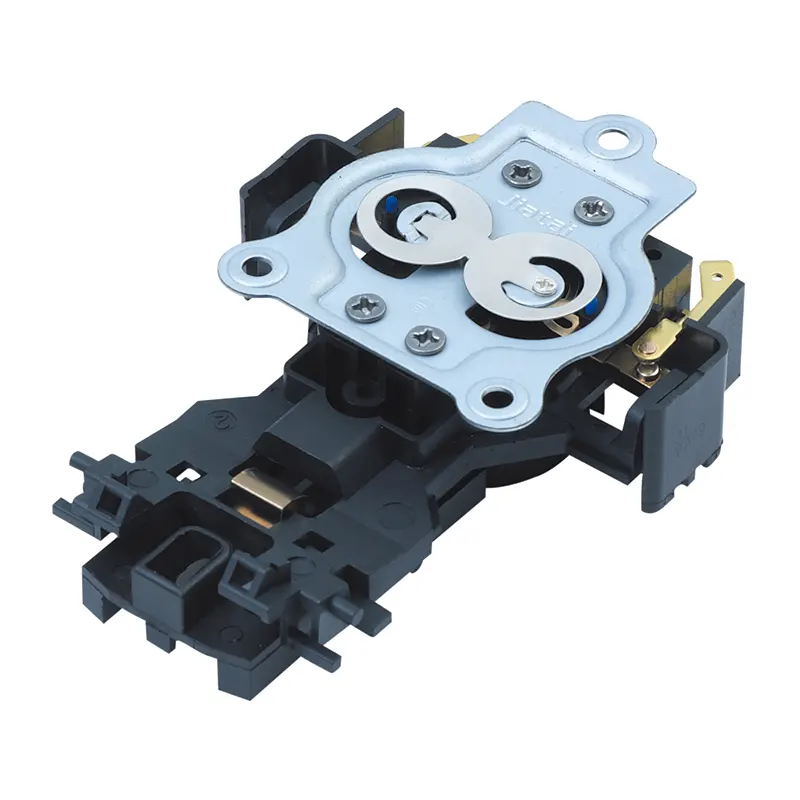
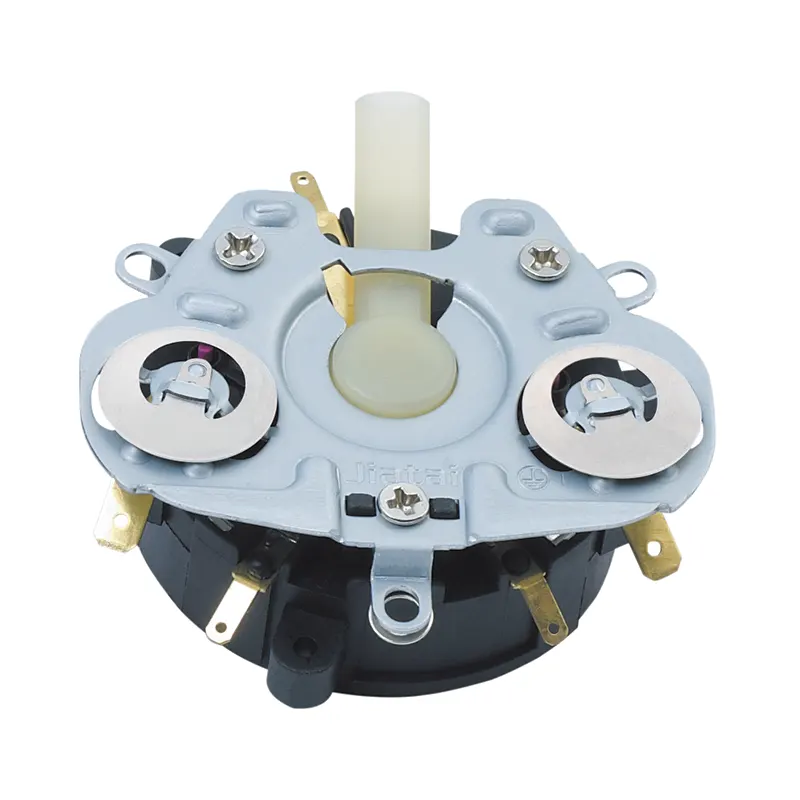
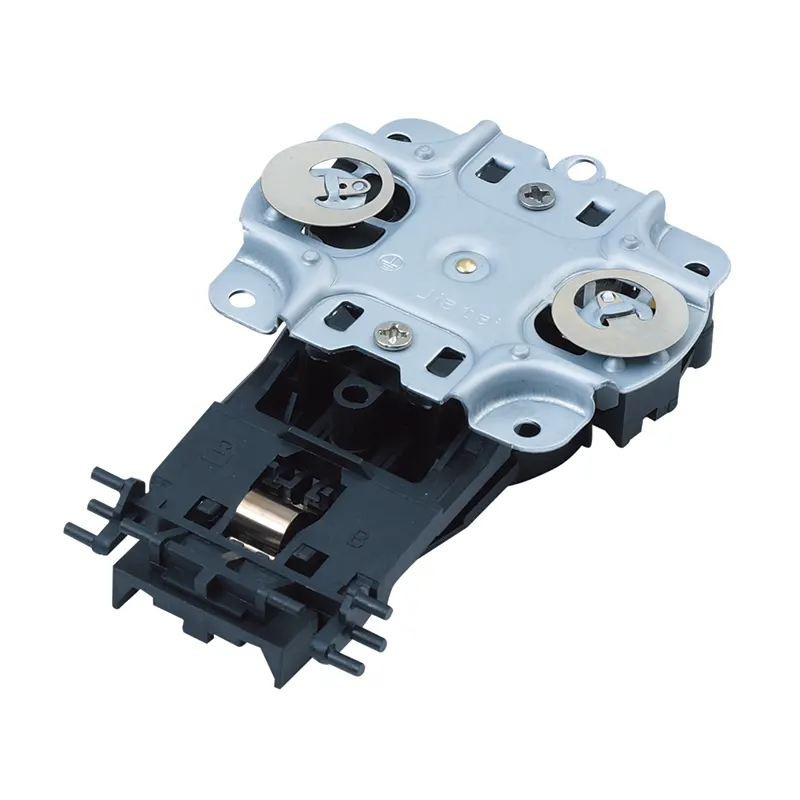
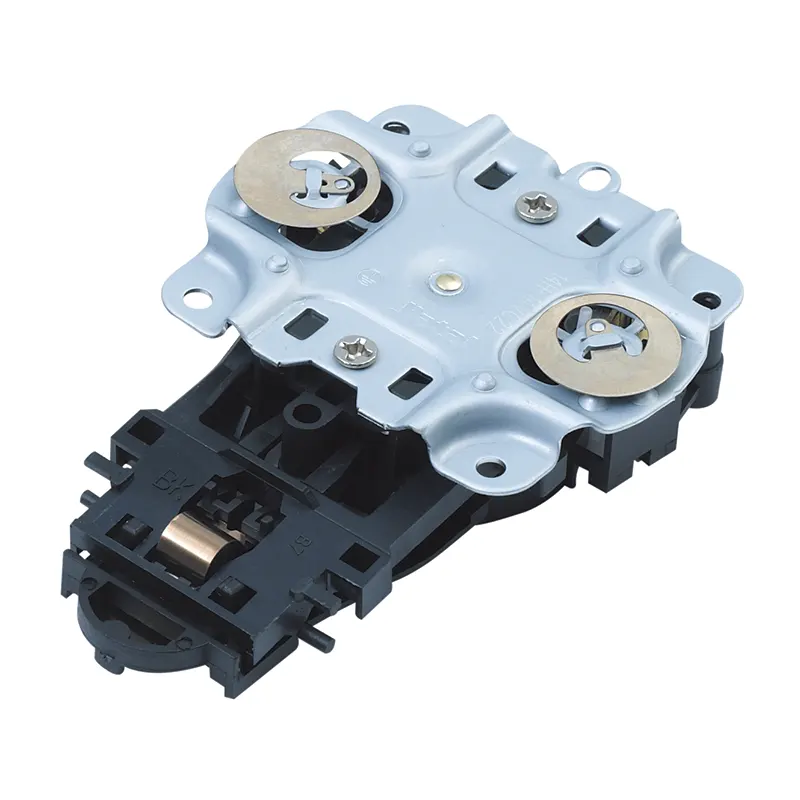
- View as
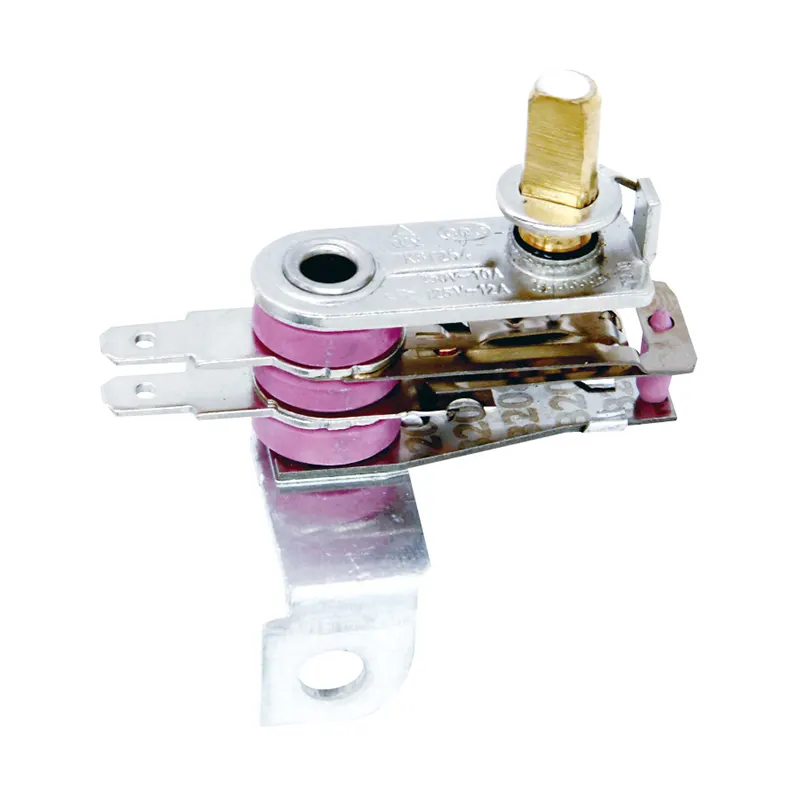
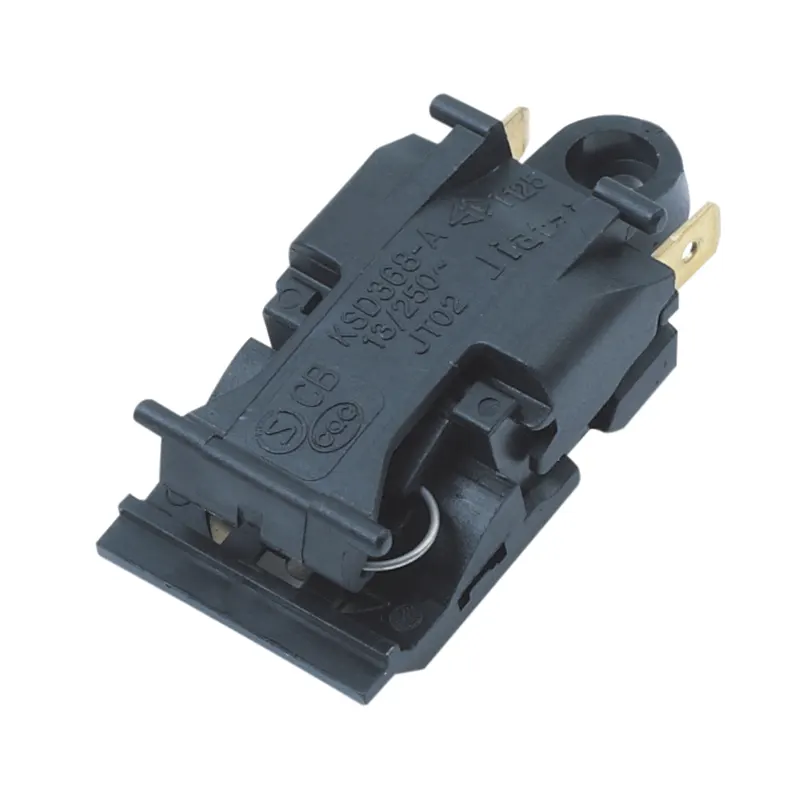
Electrical Adjusting Bimetal Thermostat
When equipment requires different temperature settings for different working conditions, a fixed thermostat is often unable to provide enough flexibility. JIATAI Electrical Adjusting Bimetal Thermostat is designed for applications that need adjustable thermal control, providing a configurable temperature range from 60℃ to 250℃ with reliable mechanical switching performance. Built with a durable bimetal sensing structure, this thermostat helps manufacturers achieve stable temperature regulation in heating appliances, electrical equipment and industrial systems.
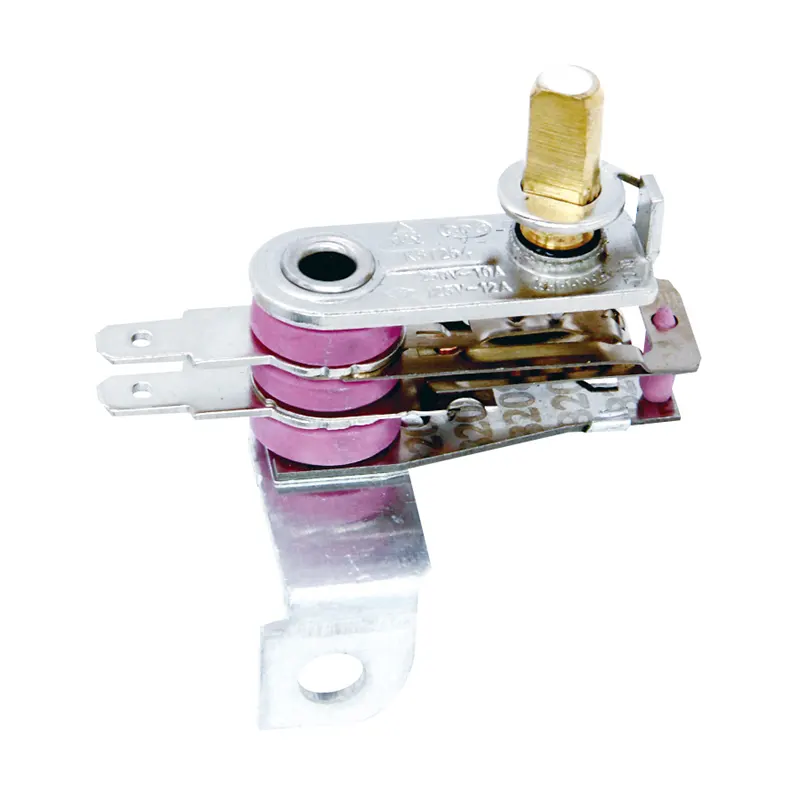
Waffle Maker Thermostat
Engineered by JIATAI, this heavy-duty Waffle Maker Thermostat delivers precision thermal regulation for commercial waffle bakers, bubble waffle iron lines, and rotary baking equipment. Featuring high-current 20A silver contacts (AgCdO/AgNi) and high-frequency Steatite ceramic bodies, it eliminates contact welding and arc erosion under continuous load. With full international compliance (UL 60730, EN 60730, CE) and a certified lifespan of 100,000 cycles, JIATAI provides global kitchen equipment OEMs with customized mounting brackets, tailored shaft designs, and an industry-leading ±3°C narrow temperature differential. Upgrade your heating reliability and eliminate equipment field failures with China’s specialized manufacturing partner.
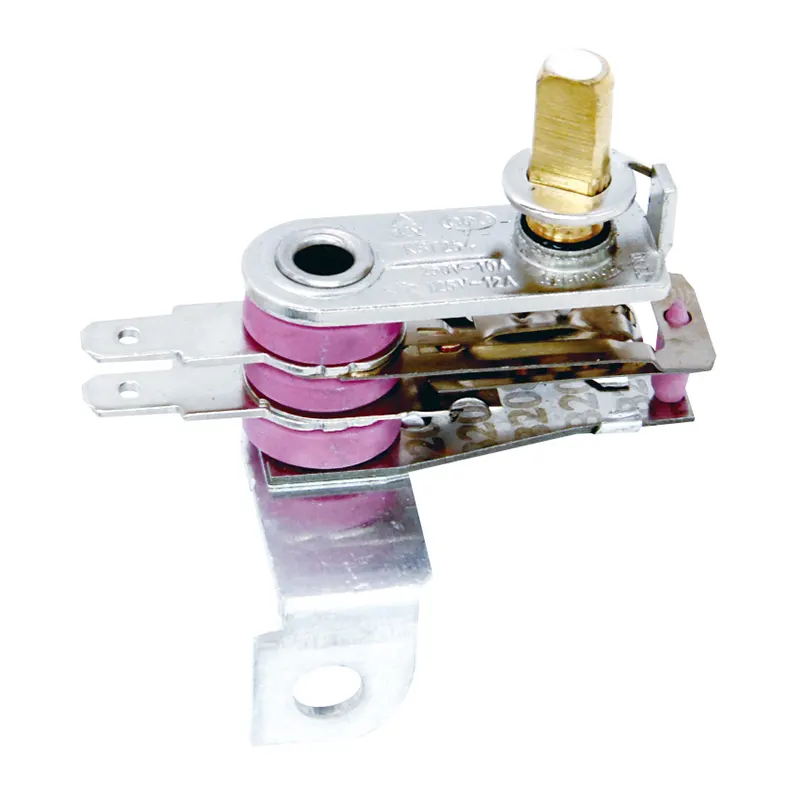
Grill Temperature Controller
Optimize your B2B sourcing and eliminate contact welding risks with JIATAI, a top-tier Chinese manufacturer of heavy-duty Grill Temperature Controllers. Engineered for commercial smokers and outdoor electric BBQ lines, our OEM/ODM bimetal thermostats utilize snap-action technology to suppress electrical arcs under heavy 20A loads. Buying directly from our certified factory ensures stable pricing, a 100,000-cycle product lifespan, and full UL/VDE compliance. Get custom-calibrated samples from China's specialized temperature control partner to secure your bulk production line.
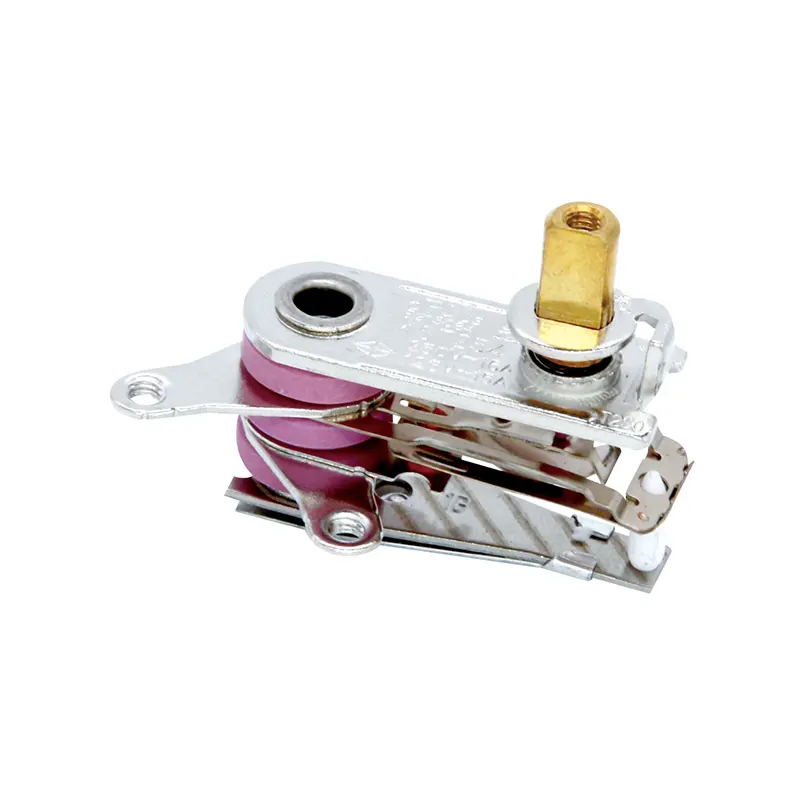
Electric Griddle Thermostat
Optimize your B2B sourcing and secure exceptional kitchen heating reliability with JIATAI, a trusted manufacturer specializing in high-performance Electric Griddle Thermostats. This Thermostat features a high-temperature-resistant steatite ceramic body and a liquid-expansion capillary assembly. It effectively prevents contact sticking, surface overheating, and thermal drift—issues that can arise during the heavy-duty cooking loads typical of daily use. Jiatai has been manufacturing thermostats for over fifteen years; our highly experienced technical team, comprising more than one hundred professionals, is fully equipped to provide optimal solutions for any challenges you may encounter.
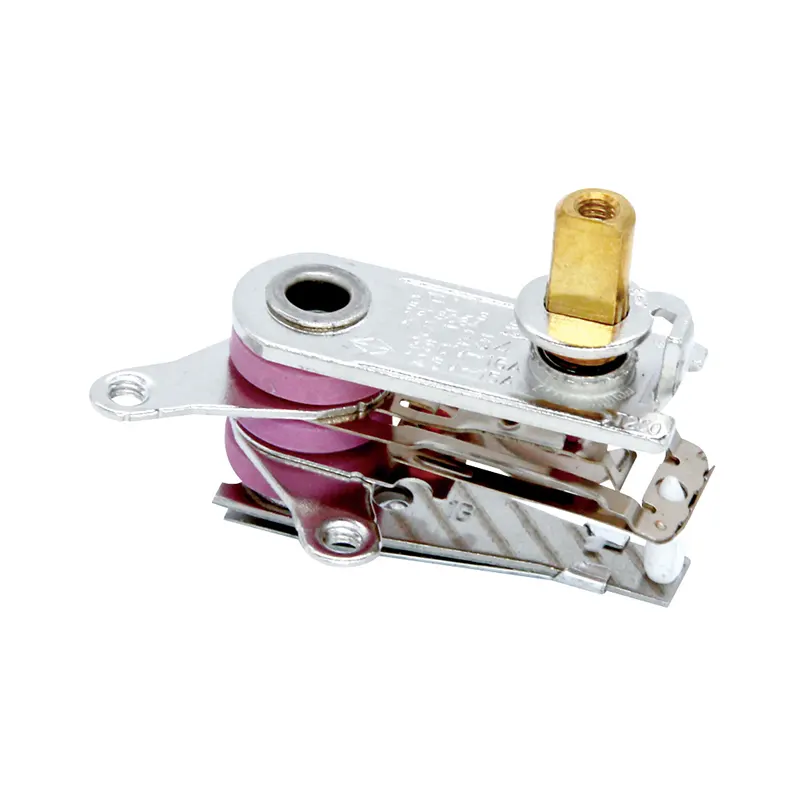
Pancake Maker Thermostat
The Pancake Maker Thermostat is engineered to withstand high-temperature environments and frequent thermal cycling, offering precise temperature control within the 50°C to 300°C range. Jiatai holds certifications including UL 60730, VDE, CE, and RoHS, with a global market presence. The product utilizes silver-cadmium oxide contacts rated up to 20A/250VAC, effectively preventing contact sticking and surface pitting even under heavy-duty commercial usage.
JIATAI supplies Electrical Oven Thermostat with OEM customization, quality control and factory direct advantages. Contact us for your purchase needs.