

Industry News
 30 2026-09
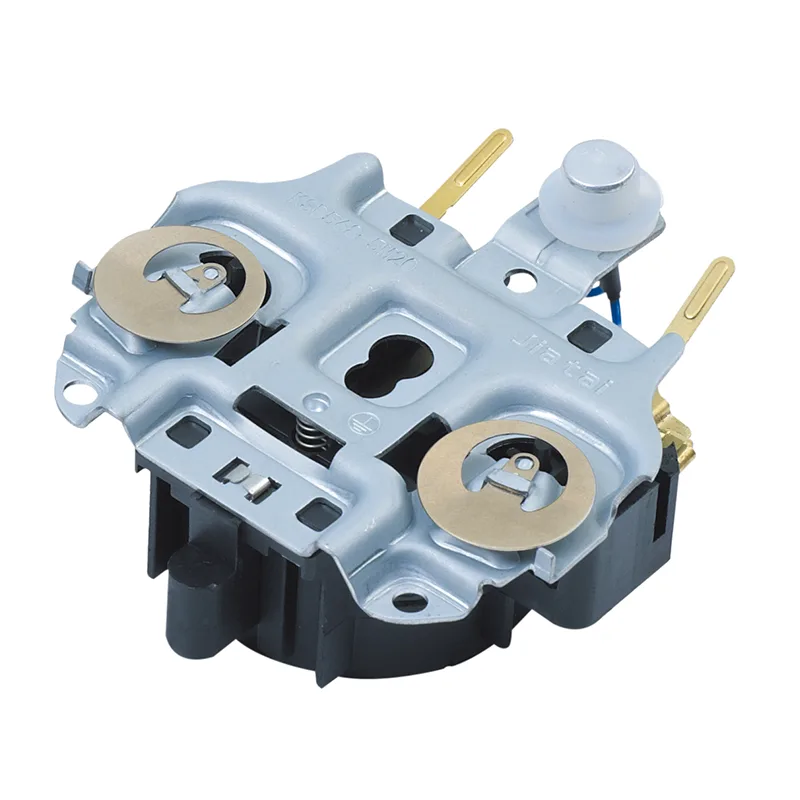
 How Can a 5 Pins NTC Elecgtronic Thermostat Improve Temperature Control and Safety in Modern Kettles
Modern multifunction kettles and health pots require more than simple boiling control. Accurate temperature sensing, responsive switching, dry-burn protection, and reliable electrical integration are increasingly important for appliance manufacturers. The 5 Pins NTC Elecgtronic Thermostat combines NTC temperature sensing with a five-pole electrical structure to support precise and stable thermal management. This article explains how it works, its key advantages, technical specifications, application areas, and the factors manufacturers should consider when selecting a thermostat for mass-production appliances.
 28 2026-09
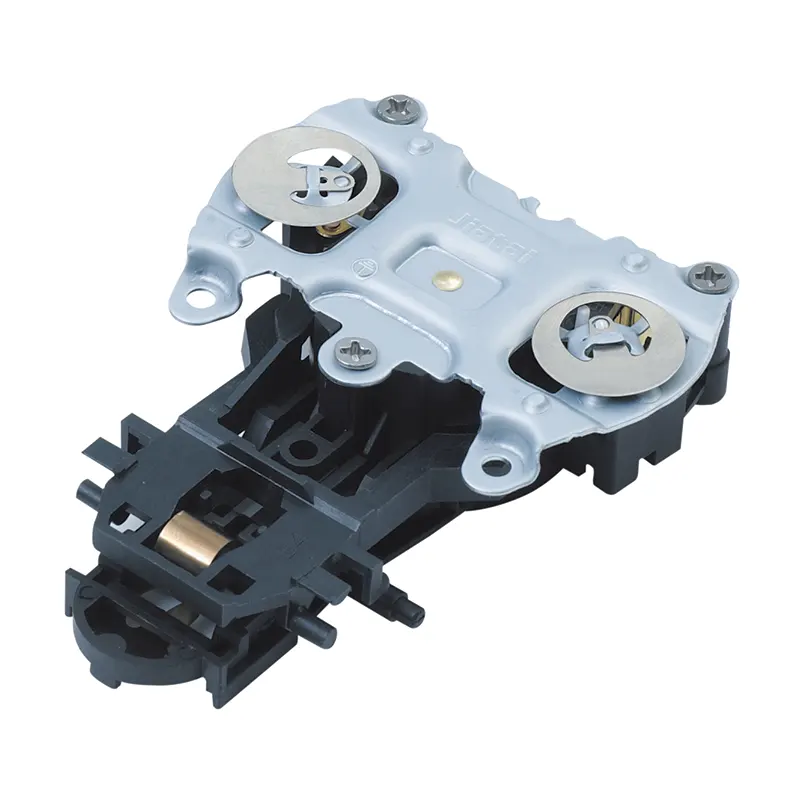
 What Causes an Electric Kettle Thermostat to Fail?
When an electric kettle does not switch off correctly, the thermostat is often one of the components that needs to be checked. However, not every failure is caused by the thermostat itself.
 16 2026-09
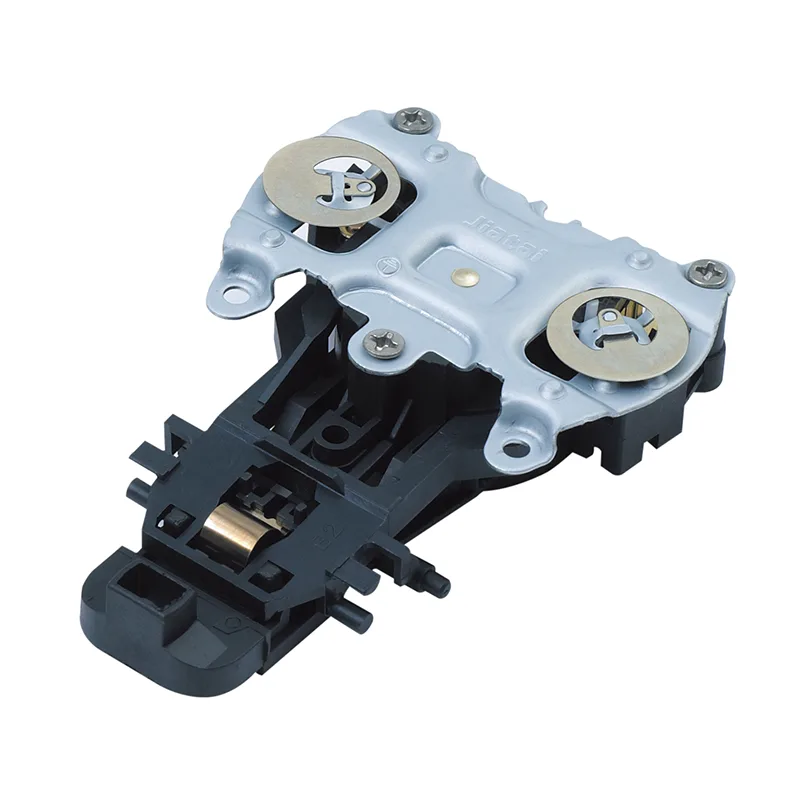
 How Can a LOSO Type Electrical Kettle Controller Improve Kettle Safety and Heating Reliability
For electric kettle manufacturers, choosing the right temperature control component directly affects heating reliability, automatic shut-off performance, and long-term appliance safety. JIATAI develops the LOSO Type Electrical Kettle Controller for OEM and bulk-production applications, combining a three-pole structure, temperature sensing, stable electrical switching, and an operating life of up to 10,000 cycles.
 14 2026-09
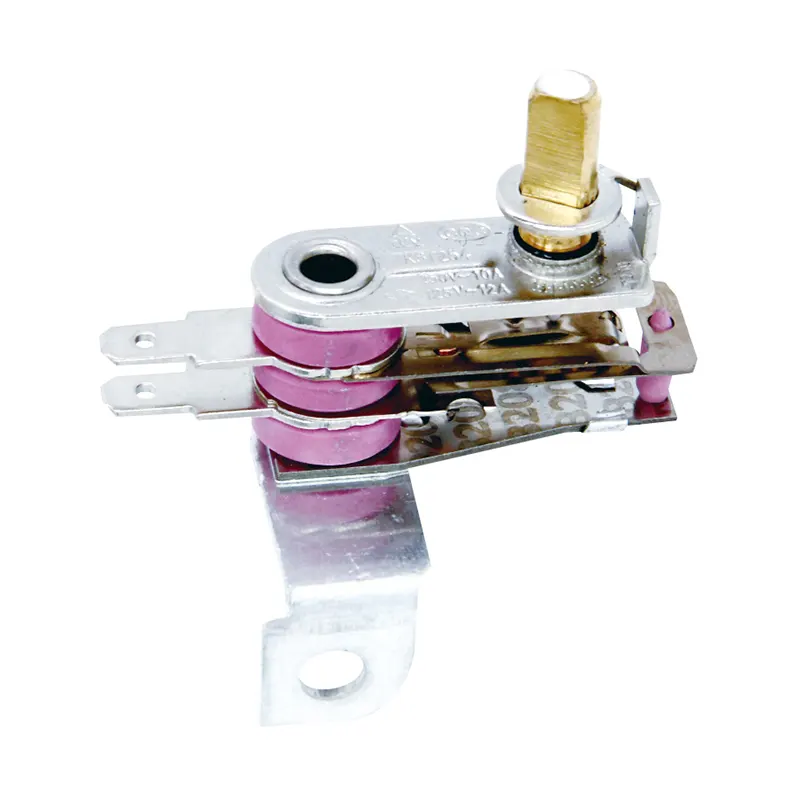
 Why Is Dry-Boil Protection Important in an Electric Kettle?
Dry boiling is one of the abnormal conditions that electric kettle manufacturers have to consider during product development.
Under normal conditions, the heating element transfers heat to water. If the kettle is switched on without sufficient water, the heat is no longer being absorbed in the same way.
The temperature can rise rapidly.
 09 2026-09
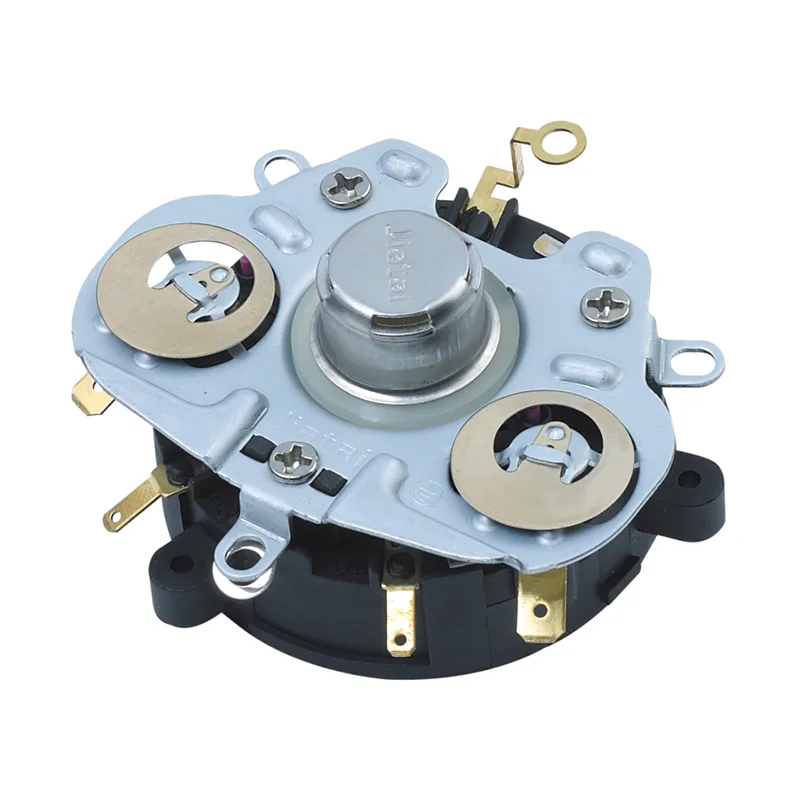
 Why Is a Bottom Pumping Thermostat Essential for Reliable and Efficient Temperature Control
JIATAI designs the Bottom Pumping Thermostat for applications that require stable temperature control, reliable fluid circulation, and efficient system operation. By combining thermostat regulation with a bottom pumping structure, this solution can support controlled heating or cooling processes while helping equipment maintain consistent operating conditions.
 07 2026-09
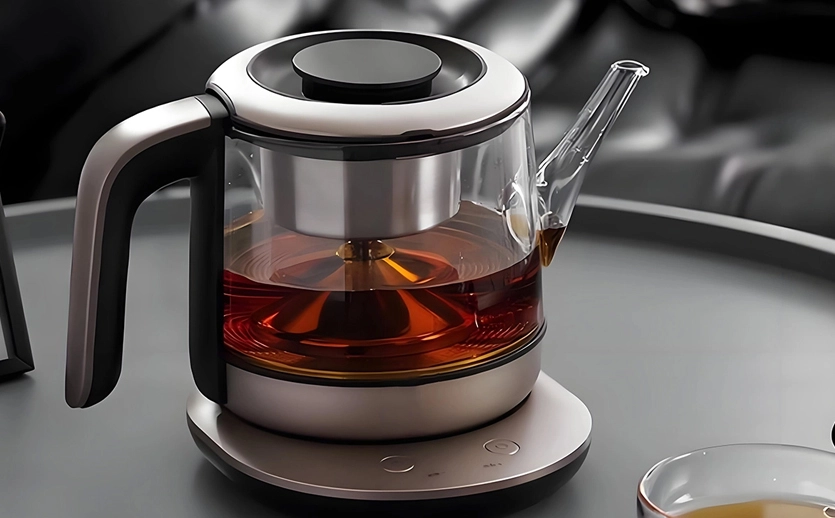
 How Does a 5-Pole Electric Kettle Thermostat Differ From a 3-Pole Design?
The number of electrical connections is one of the first differences buyers notice when comparing kettle thermostats. However, choosing between 3-pole and 5-pole designs should be based on the kettle's circuit requirements rather than the number alone.