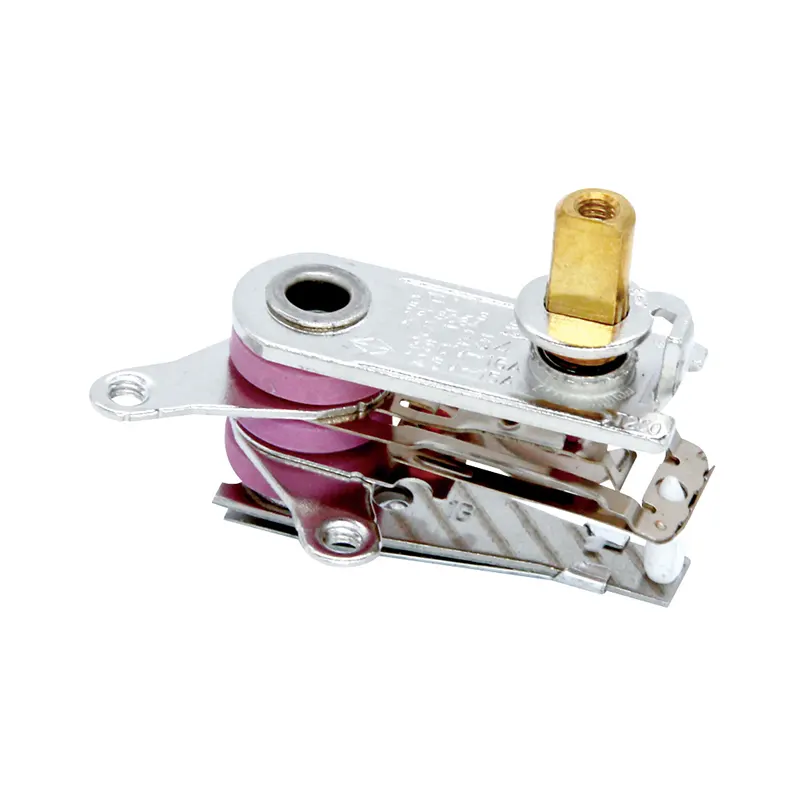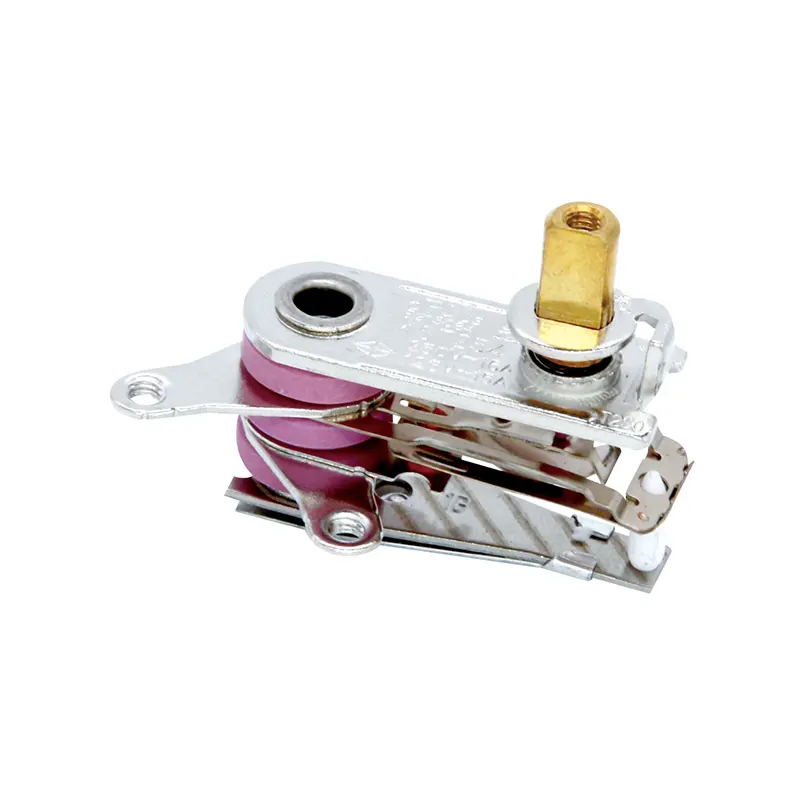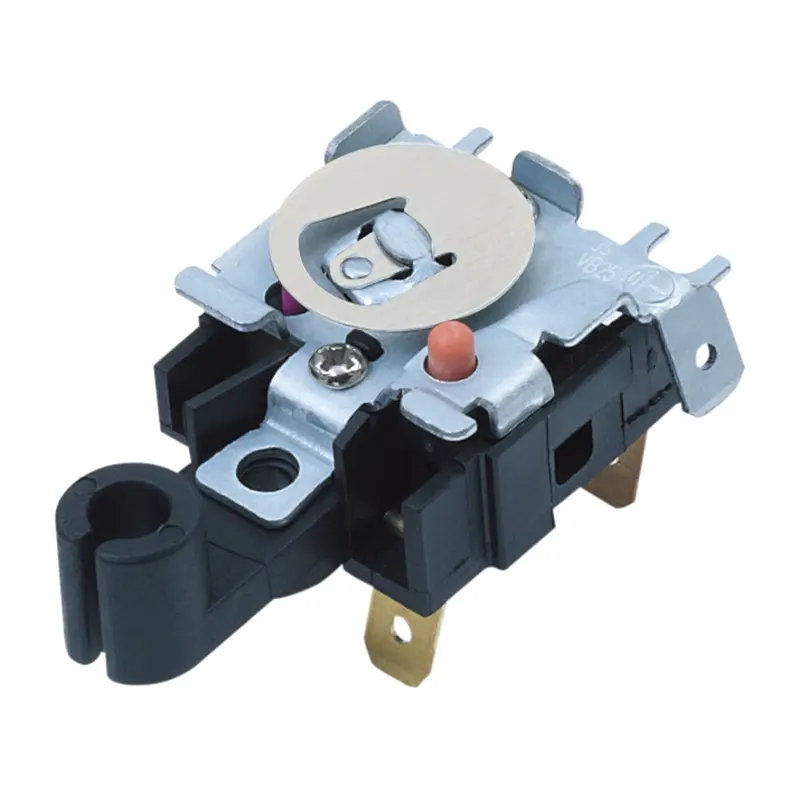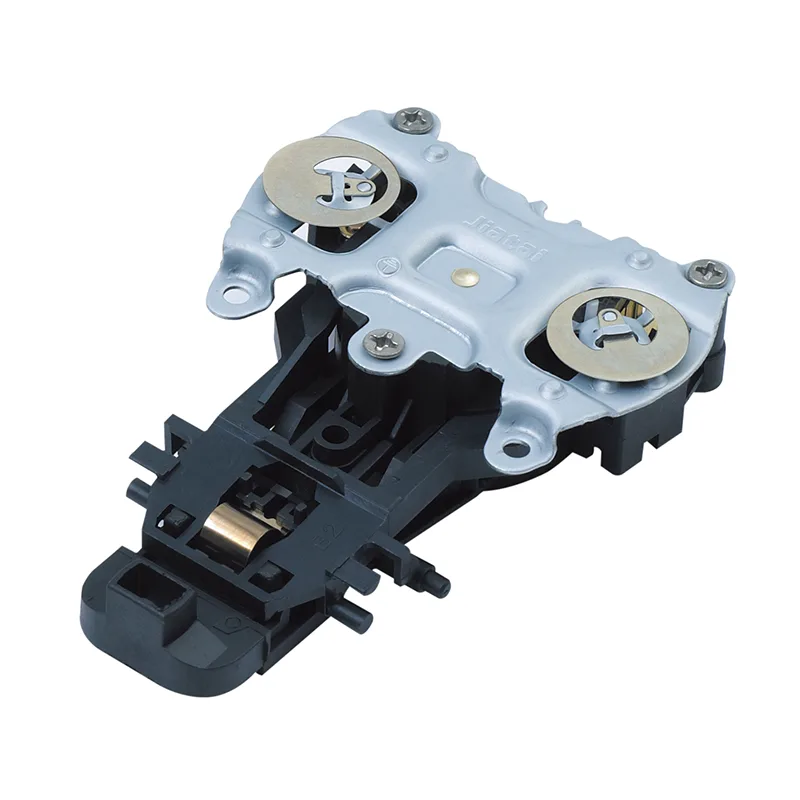

Why Is a Bottom Pumping Thermostat Essential for Reliable and Efficient Temperature Control
JIATAI designs the Bottom Pumping Thermostat for applications that require stable temperature control, reliable fluid circulation, and efficient system operation. By combining thermostat regulation with a bottom pumping structure, this solution can support controlled heating or cooling processes while helping equipment maintain consistent operating conditions.
A Bottom Pumping Thermostat is an important temperature-control solution for laboratories, industrial equipment, testing systems, manufacturing processes, and other applications where stable thermal conditions and fluid circulation are required. Compared with systems that rely only on static temperature regulation, a bottom pumping design can improve circulation efficiency and support more uniform temperature distribution throughout the connected process.
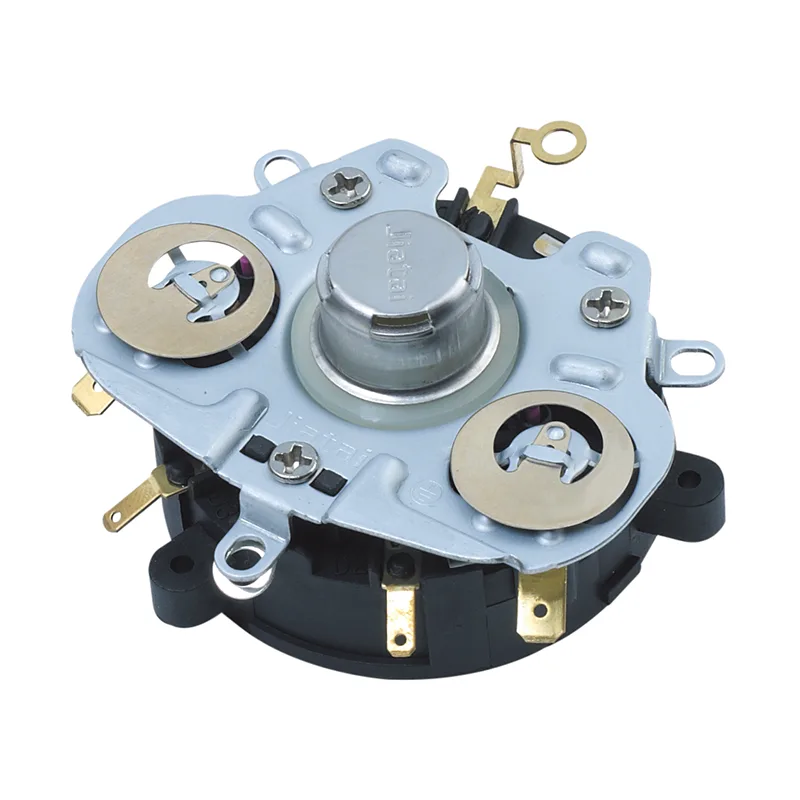
Table of Contents
- 1. What Is a Bottom Pumping Thermostat?
- 2. How Does a Bottom Pumping Thermostat Work?
- 3. Key Components and System Structure
- 4. Main Advantages of Bottom Pumping Design
- 5. Typical Application Areas
- 6. Bottom Pumping Thermostat vs. Conventional Thermostat
- 7. How to Choose the Right Bottom Pumping Thermostat
- 8. Installation and Operating Considerations
- 9. Maintenance Tips for Long-Term Performance
- 10. What Should Buyers Look for in a Supplier?
- 11. FAQ
- 12. Conclusion
What Is a Bottom Pumping Thermostat?
A Bottom Pumping Thermostat is a temperature-control device equipped with a circulation system that moves thermal fluid through a bottom-positioned pumping structure. The system is designed to regulate the temperature of a working medium and deliver that medium through an external circulation path or connected equipment.
The thermostat typically combines several important functions:
- Temperature monitoring and regulation
- Heating and/or cooling control
- Thermal fluid circulation
- Stable temperature maintenance
- Connection with external equipment or process systems
The bottom pumping configuration can be particularly useful when efficient fluid movement, consistent circulation, and system integration are important. Depending on the application, the thermostat may be connected to reactors, analytical instruments, laboratory equipment, industrial processing systems, or other temperature-sensitive devices.
For users looking for a professional temperature-control solution, a properly configured Bottom Pumping Thermostat can help improve process repeatability, reduce temperature fluctuations, and support more stable operating conditions.
How Does a Bottom Pumping Thermostat Work?
The operating principle is based on a combination of temperature sensing, controller feedback, thermal adjustment, and fluid circulation.
First, a temperature sensor continuously monitors the thermal condition of the working medium. The measured value is transmitted to the control system and compared with the target temperature set by the operator.
When the actual temperature differs from the required setpoint, the system responds by adjusting its heating or cooling operation. At the same time, the integrated pump circulates the thermal medium through the connected system.
A simplified operating process can be described as follows:
- The operator sets the target temperature.
- The temperature sensor detects the current thermal condition.
- The controller compares the actual value with the setpoint.
- The heating or cooling system responds to the temperature difference.
- The bottom pumping structure circulates the working medium.
- The circulated medium transfers thermal energy to the connected equipment.
- The control system continuously adjusts operation to maintain stability.
This closed-loop approach is one of the main reasons why thermostatic circulation systems are widely used in applications requiring repeatable and controllable thermal performance.
Key Components and System Structure
Although configurations may vary according to capacity, application requirements, and system design, a typical Bottom Pumping Thermostat may include the following components.
| Component | Main Function | Importance |
|---|---|---|
| Temperature Controller | Processes temperature data and regulates system operation | Helps maintain accurate temperature control |
| Temperature Sensor | Detects the temperature of the working medium | Provides feedback for closed-loop control |
| Heating System | Raises the temperature when required | Supports thermal process control |
| Cooling System | Removes heat in applicable configurations | Helps achieve lower or stable operating temperatures |
| Circulation Pump | Moves the thermal fluid through the system | Supports temperature uniformity |
| Bottom Pumping Structure | Supports fluid movement from the lower section of the system | Can improve circulation efficiency and system integration |
| Safety Protection System | Provides operational protection against abnormal conditions | Supports reliable long-term operation |
The overall performance of the equipment depends not only on the temperature-control technology but also on the compatibility of these components. For example, pump performance, circulation resistance, fluid characteristics, control logic, and thermal load can all influence final operating stability.
Main Advantages of Bottom Pumping Design
Choosing a Bottom Pumping Thermostat can provide several practical advantages when the system is properly matched to the application.
Improved Fluid Circulation
The pumping system continuously moves the thermal medium through the circulation loop. This can help reduce localized temperature differences and support more consistent heat transfer between the thermostat and connected equipment.
More Stable Process Conditions
Temperature fluctuations can affect product quality, testing repeatability, chemical reactions, and equipment performance. A properly controlled circulation system helps maintain more stable operating conditions throughout the process.
Efficient System Integration
For equipment manufacturers and industrial users, the ability to connect a thermostat with external systems can simplify thermal management. The circulation function allows the temperature-control unit to become part of a larger process or testing setup.
Support for Different Applications
Depending on the design and specifications, a Bottom Pumping Thermostat can be adapted for laboratory research, industrial processing, material testing, precision manufacturing, and other temperature-sensitive operations.
Potential for Better Thermal Uniformity
Static systems may experience temperature variation when the thermal medium is not effectively circulated. Continuous pumping can improve fluid movement and support more uniform thermal conditions.
Typical Application Areas
Because temperature control is required across many industries, Bottom Pumping Thermostat systems can be used in a wide range of environments.
- Laboratory testing: Maintaining controlled temperatures for experiments and analytical processes.
- Chemical processing: Supporting temperature-sensitive reactions and production procedures.
- Pharmaceutical equipment: Assisting thermal management during research, testing, and processing.
- Material testing: Providing controlled thermal conditions for performance evaluation.
- Industrial manufacturing: Supporting equipment that requires stable heating or cooling circulation.
- Research and development: Helping engineers create repeatable test environments.
- Process equipment: Circulating thermal fluid through jackets, chambers, or connected systems.
The most suitable application depends on factors such as the required temperature range, circulation capacity, fluid compatibility, thermal load, and installation environment.
Bottom Pumping Thermostat vs. Conventional Thermostat
| Feature | Bottom Pumping Thermostat | Conventional Thermostat |
|---|---|---|
| Temperature Regulation | Provides controlled temperature management | Provides basic or application-specific regulation |
| Fluid Circulation | Integrated circulation through pumping design | May not include active external circulation |
| System Integration | Suitable for connection with external equipment | May be designed primarily for local temperature control |
| Thermal Uniformity | Can benefit from continuous fluid movement | Depends on the specific system structure |
| Application Flexibility | Suitable for circulation-based processes | Suitable for simpler temperature-control requirements |
This comparison does not mean that one solution is always better than another. The correct choice should be based on the actual process requirements. If the application requires external circulation and continuous thermal transfer, a Bottom Pumping Thermostat may provide a more suitable configuration.
How to Choose the Right Bottom Pumping Thermostat
Before purchasing a Bottom Pumping Thermostat, buyers should evaluate several technical and operational factors.
Required Temperature Range
Start by identifying the minimum and maximum operating temperatures required by your application. The selected equipment should cover the working range while maintaining suitable control stability.
Temperature Stability and Accuracy
Different applications require different levels of control precision. Laboratory testing or precision processes may require tighter temperature stability than general industrial applications.
Circulation Capacity
The pump must provide sufficient circulation performance for the connected system. Consider flow resistance, hose length, equipment volume, and the properties of the working medium.
Heating and Cooling Requirements
Some processes only require heating, while others require both heating and cooling. Buyers should clearly define the complete operating cycle before selecting equipment.
Working Fluid Compatibility
The circulation medium may have specific chemical, viscosity, temperature, or safety requirements. Materials and sealing components should be compatible with the selected fluid.
Control Interface
Modern industrial systems may require digital displays, programmable settings, alarm functions, data communication, or integration with automated production equipment.
Manufacturer Support
For long-term equipment investment, technical support is important. Buyers should consider whether the manufacturer can provide relevant technical information and product support for the intended application.
Installation and Operating Considerations
Correct installation is essential for achieving reliable thermostat performance. Even a well-designed temperature-control unit may experience reduced efficiency if the circulation path is poorly configured.
- Install the equipment on a stable and appropriate surface.
- Use circulation connections that match the system requirements.
- Check hoses, fittings, and seals for leakage before operation.
- Confirm that the selected working fluid is compatible with the system.
- Avoid exceeding the recommended operating temperature range.
- Ensure sufficient ventilation where required by the equipment design.
- Monitor the system during initial commissioning.
- Follow the manufacturer's operating and safety instructions.
It is also important to consider the total thermal load of the connected equipment. An undersized system may struggle to maintain the target temperature, while an improperly configured circulation loop may create unnecessary pressure loss.
Maintenance Tips for Long-Term Performance
Routine maintenance can help a Bottom Pumping Thermostat maintain stable operation and reduce the risk of unexpected downtime.
Inspect the Circulation System
Check hoses, connectors, and circulation paths regularly. Leaks or restrictions can reduce fluid flow and affect temperature consistency.
Monitor Working Fluid Condition
The condition of the thermal medium can affect both heat-transfer performance and component life. Replace or maintain the fluid according to the operating requirements and manufacturer recommendations.
Keep the Equipment Clean
Dust, contamination, and process residue can affect equipment performance. Keep the external surfaces and relevant operating areas clean.
Check Temperature Performance
Regular performance verification can help identify changes in temperature stability or control behavior before they become larger operational issues.
Follow a Preventive Maintenance Schedule
A scheduled maintenance program is generally more effective than waiting for a component failure. This is particularly important in laboratories and industrial production environments where unplanned downtime can be costly.
What Should Buyers Look for in a Supplier?
When sourcing a Bottom Pumping Thermostat from a China supplier, buyers should look beyond the initial purchase price. A reliable manufacturer should be able to support product selection and provide clear information about equipment capabilities.
Important evaluation points include:
- Product design and technical specifications
- Temperature-control capability
- Circulation performance
- Manufacturing experience
- Quality-control procedures
- Customization capability
- Technical documentation
- After-sales and application support
JIATAI provides temperature-control solutions designed for applications where stable thermal management and circulation performance are important. For procurement teams, discussing the actual operating conditions with the manufacturer before ordering can help improve equipment compatibility and reduce the risk of selecting an unsuitable configuration.
Rather than choosing a system based only on general specifications, buyers should provide information such as the required temperature range, connected equipment, circulation distance, working fluid, thermal load, and operating environment. This allows the supplier to recommend a more appropriate solution.
FAQ
What is a Bottom Pumping Thermostat used for?
A Bottom Pumping Thermostat is used to control temperature while circulating a thermal medium through connected equipment or a process system. It can be suitable for laboratory, research, industrial, and other temperature-sensitive applications.
Why is fluid circulation important in a thermostat system?
Fluid circulation helps transfer thermal energy throughout the connected system. Effective circulation can support more uniform temperature conditions and improve the stability of temperature-sensitive processes.
How do I select the correct Bottom Pumping Thermostat?
You should evaluate the required temperature range, temperature stability, heating or cooling demand, circulation capacity, thermal load, working fluid, and connection requirements. Providing these details to the manufacturer can help determine the most suitable configuration.
Can a Bottom Pumping Thermostat be connected to external equipment?
Yes. Depending on the specific design and configuration, circulation-based thermostat systems can be connected to compatible external equipment that requires controlled thermal fluid circulation.
How often should a thermostat circulation system be maintained?
Maintenance frequency depends on operating hours, working conditions, fluid type, and application requirements. Regular inspection of the circulation path, fluid condition, connections, and temperature performance is recommended.
Conclusion
A reliable Bottom Pumping Thermostat can play an important role in applications that require accurate temperature management and continuous fluid circulation. By combining temperature sensing, thermal control, and pumping performance, the system can support more stable and repeatable operating conditions across laboratory and industrial environments.
If you are looking for a professional Bottom Pumping Thermostat solution that can be matched to your specific application requirements, JIATAI can help you evaluate suitable configurations based on your temperature range, circulation requirements, working medium, and connected equipment. Contact us today to discuss your project and explore a temperature-control solution designed for reliable performance and long-term operation.
Related News
- How Can a LOSO Type Electrical Kettle Controller Improve Kettle Safety and Heating Reliability
- Why Is Dry-Boil Protection Important in an Electric Kettle?
- How Does a 5-Pole Electric Kettle Thermostat Differ From a 3-Pole Design?
- What Makes an Electrical Iron Thermostat Essential for Accurate Temperature Control?
- Why Are 3-Pole Electric Kettle Thermostats Widely Used?
- What Should You Check Before Buying an Electric Kettle Thermostat?
Leave me a message