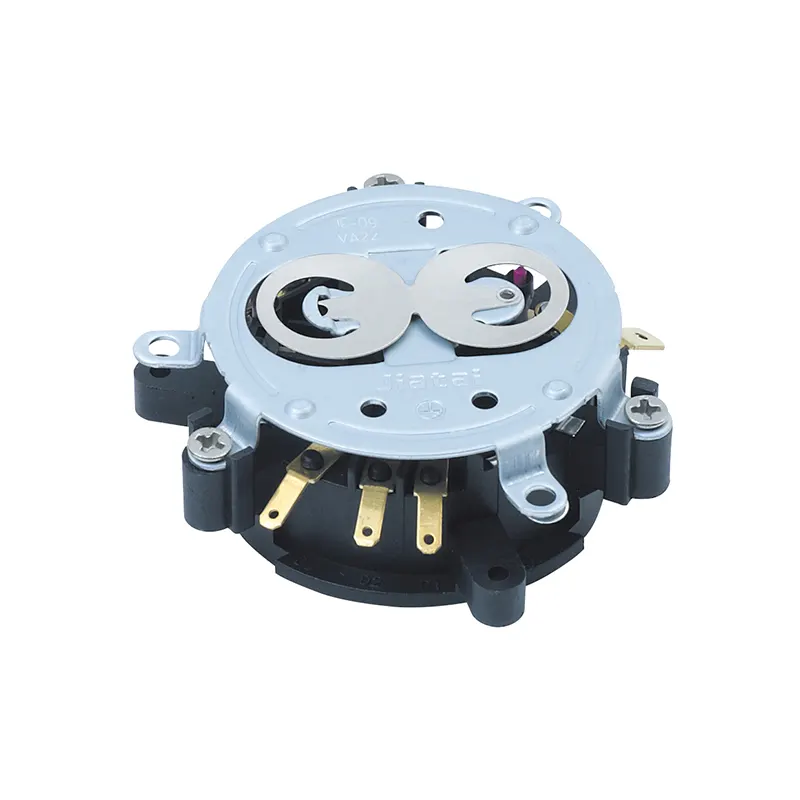
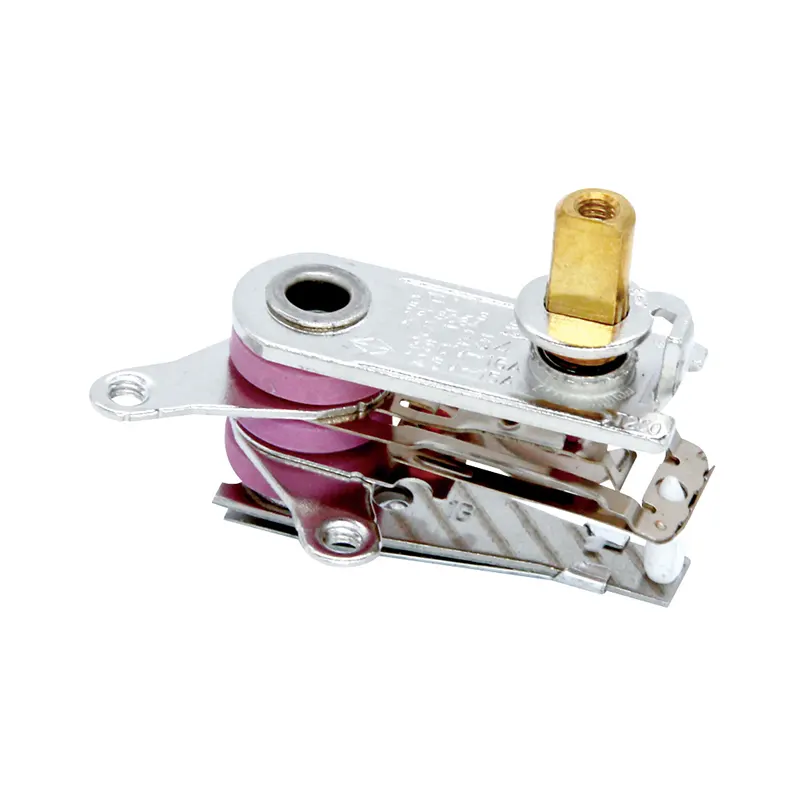
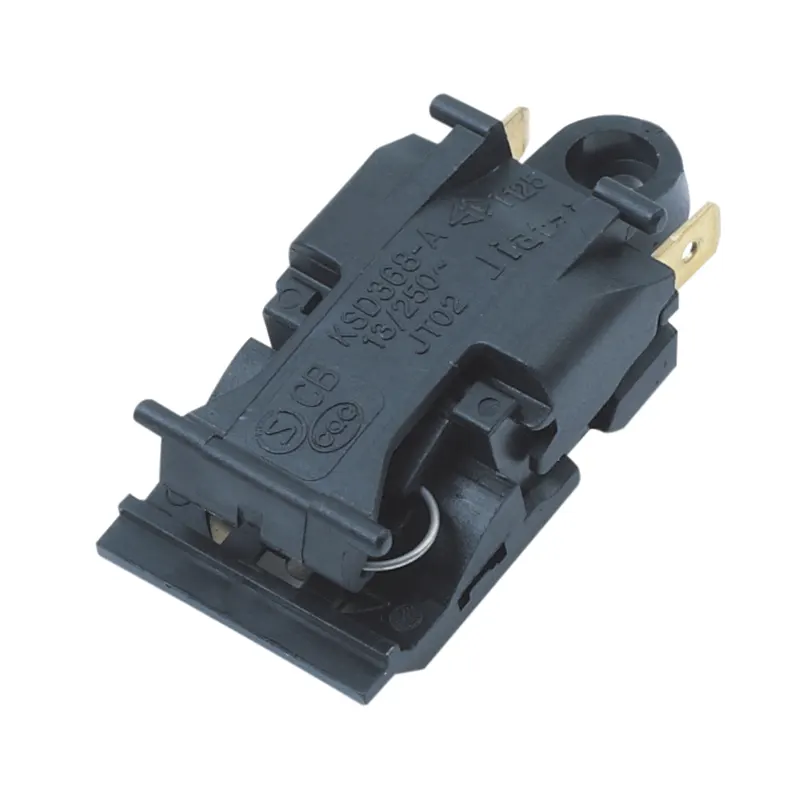
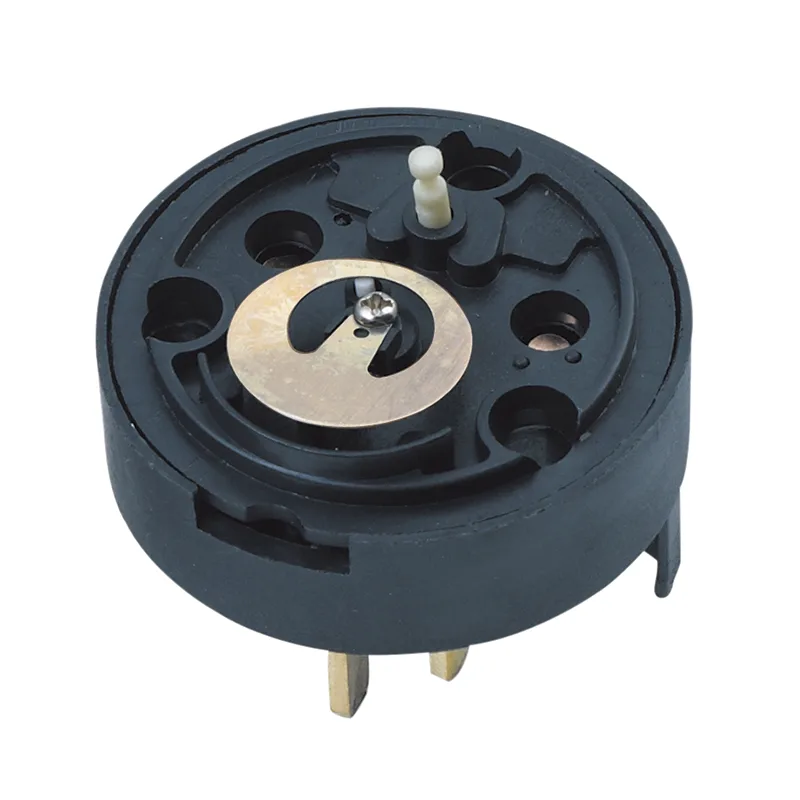
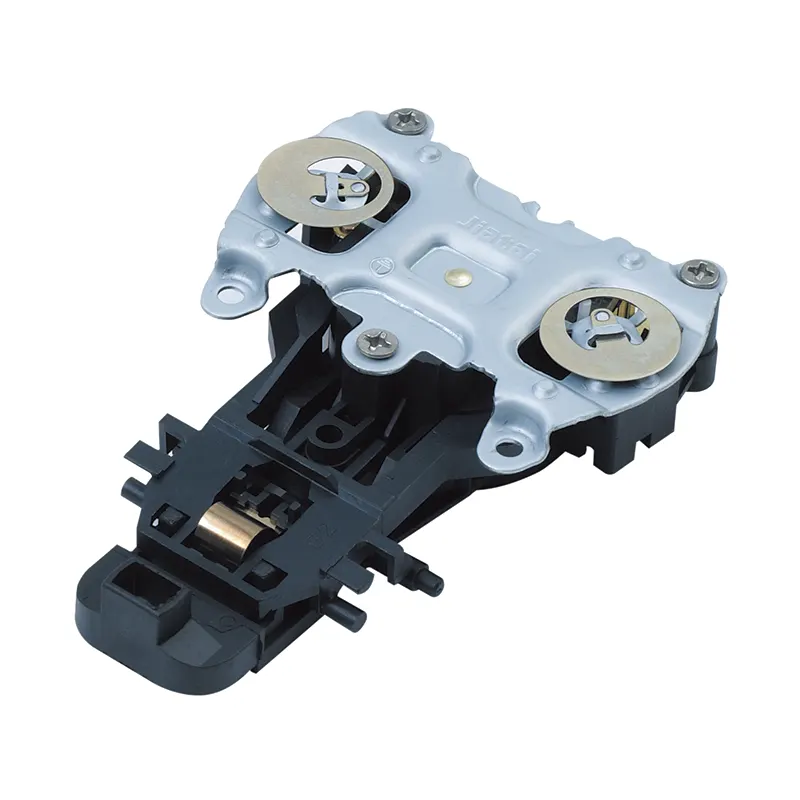
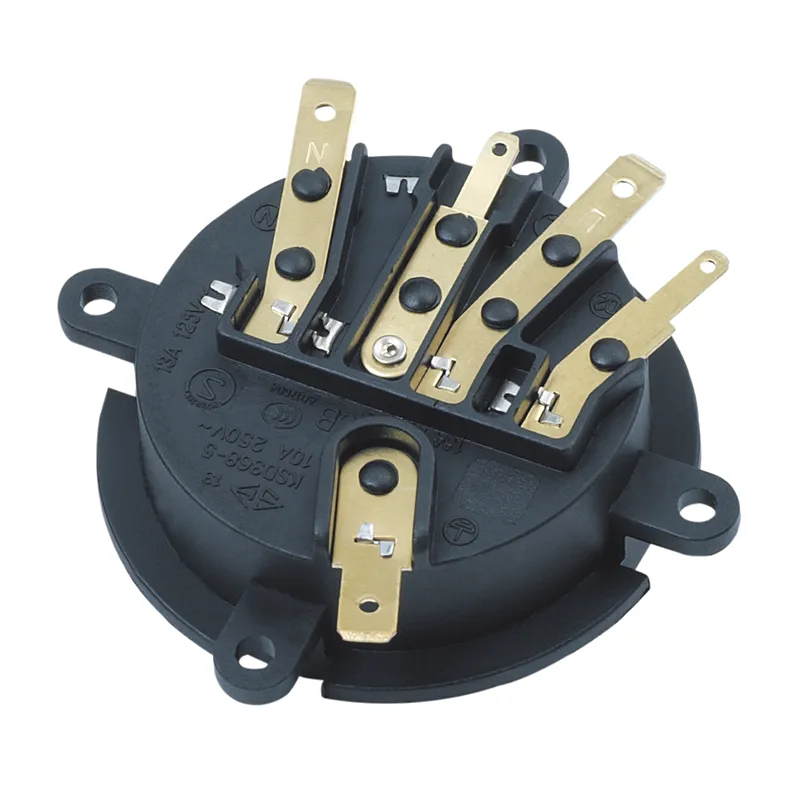
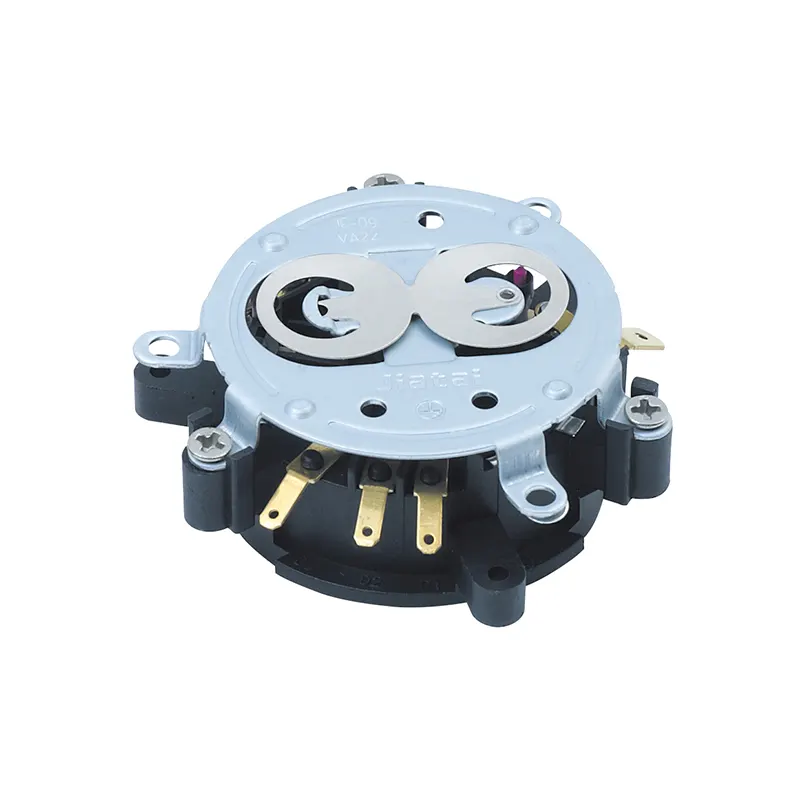
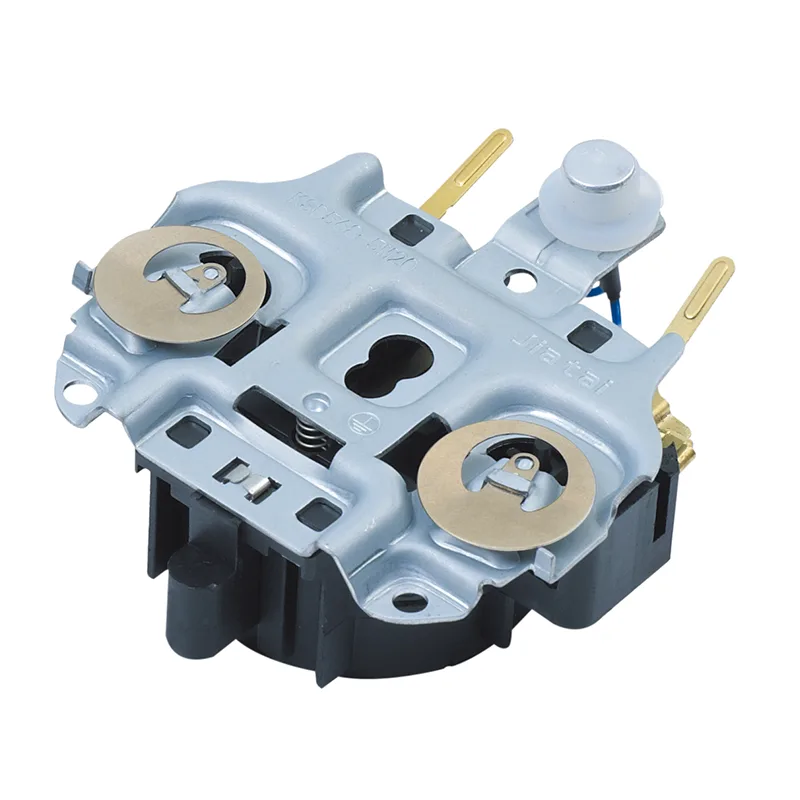
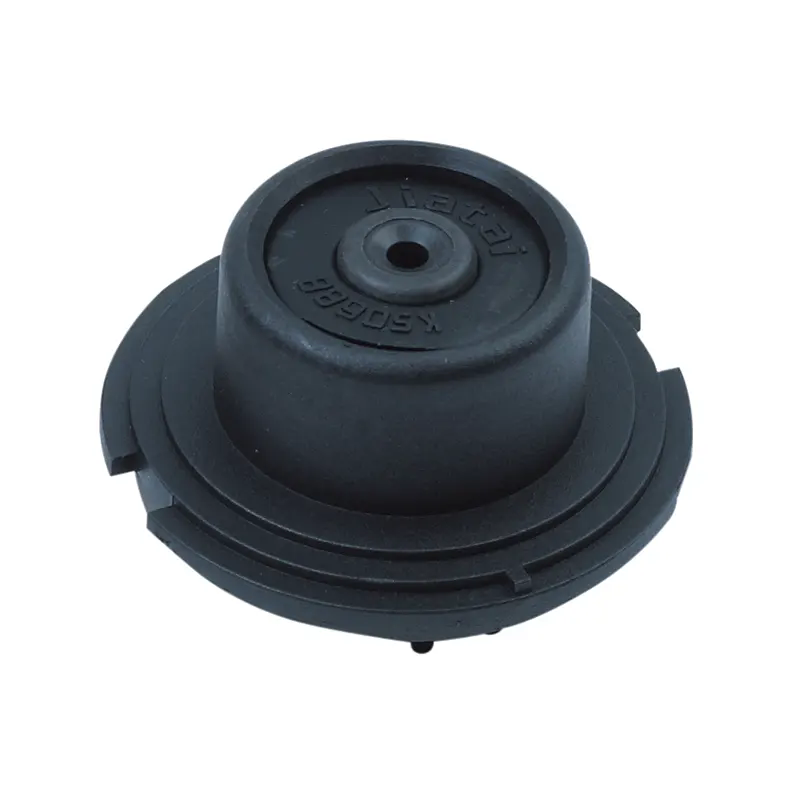
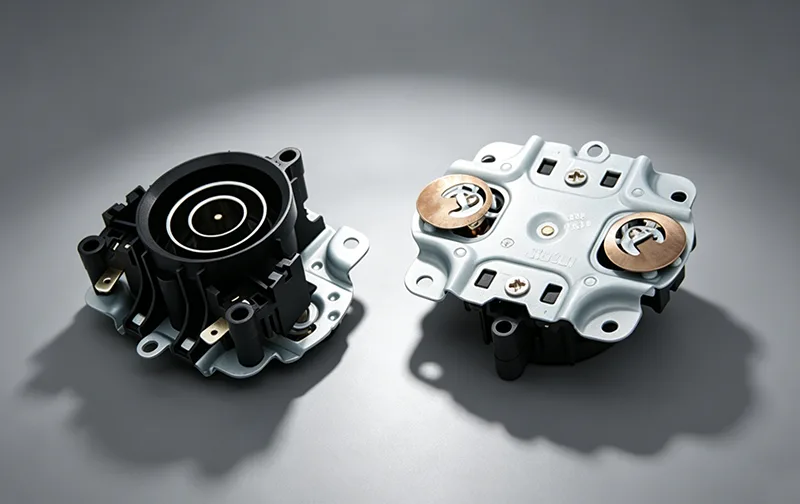
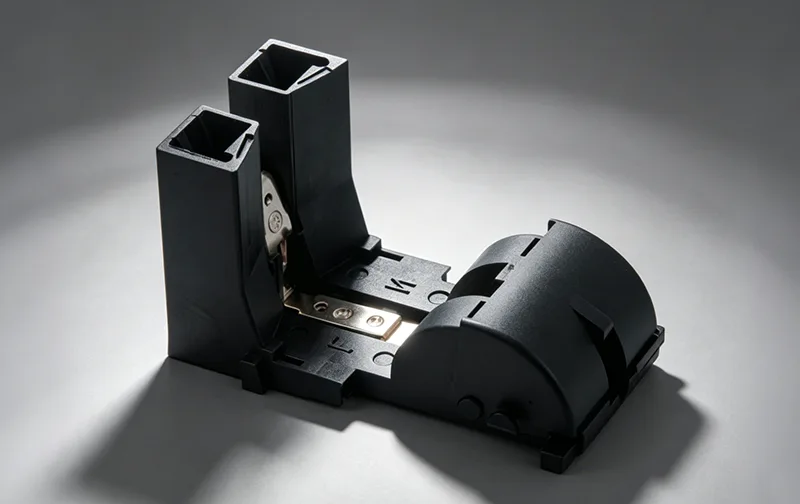
The three-pole electric kettle thermostat remains a practical choice for many conventional kettle designs. Its popularity comes from a combination of straightforward electrical architecture, automatic boiling control and compatibility with common cordless kettle structures.
What Does “3-Pole” Mean?
The term refers to the electrical connection configuration of the thermostat rather than simply describing the physical size of the component.
The three connections are used according to the particular circuit design of the kettle. The exact wiring should always follow the manufacturer's technical documentation rather than being assumed from the appearance of the component.
A Simple Design Can Still Require Careful Engineering
A 3-pole thermostat may appear mechanically simple, but its performance depends on several internal elements.
The switching mechanism needs to move consistently. The contacts need to handle the specified electrical load. The insulation system needs to be appropriate for the working voltage. The temperature-sensitive mechanism needs to respond within the intended operating range.
This is why a low-cost component that looks identical to a qualified product should not automatically be treated as equivalent.
Where Are 3-Pole Thermostats Used?
Typical applications include:
· Electric kettles
· Water boilers
· Heating appliances
· Some tea-making appliances
· Certain compact water heating systems
Jiatai's 3-pole product family includes models such as KSD688-P, KSD568-C and other designs intended for kettle applications. Some models are designed for 360° rotating bases.
360° Rotation Adds Another Design Requirement
Cordless kettles are often placed on a base that allows the kettle to rotate. The electrical interface therefore needs to maintain a reliable connection while supporting the mechanical design.
The thermostat and connector should be considered as a matched system rather than two unrelated components.
For Manufacturers, Consistency Matters
A kettle manufacturer producing thousands of units needs every thermostat to fit the same assembly process.
Stable dimensions, consistent terminals and predictable switching performance can reduce production interruptions.
For this reason, buyers should evaluate not only the sample but also the manufacturer's ability to maintain the same specification during repeated production batches.
We use cookies to offer you a better browsing experience, analyze site traffic and personalize content. By using this site, you agree to our use of cookies. Privacy Policy