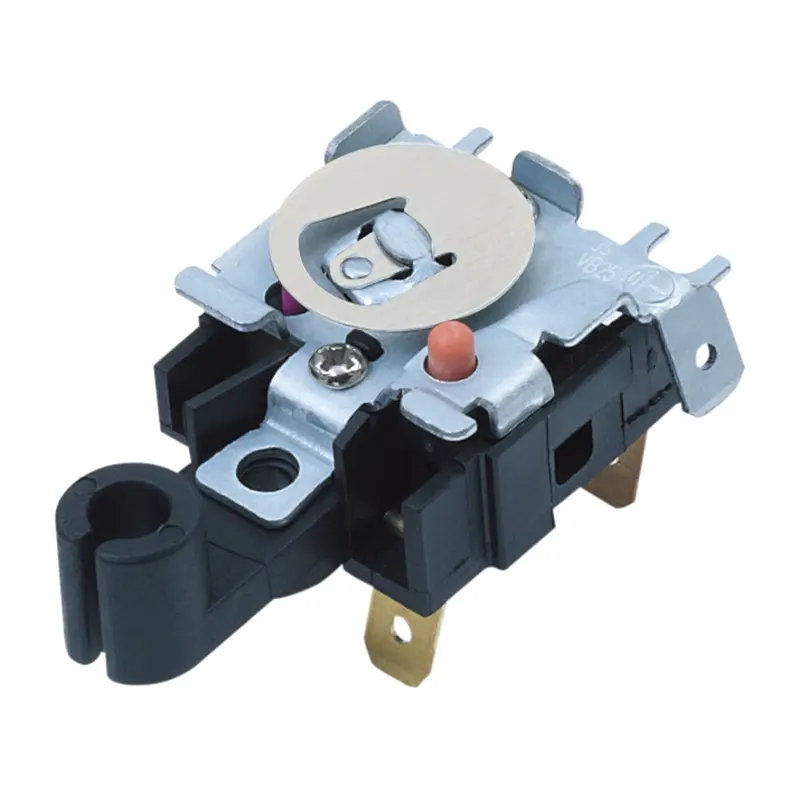
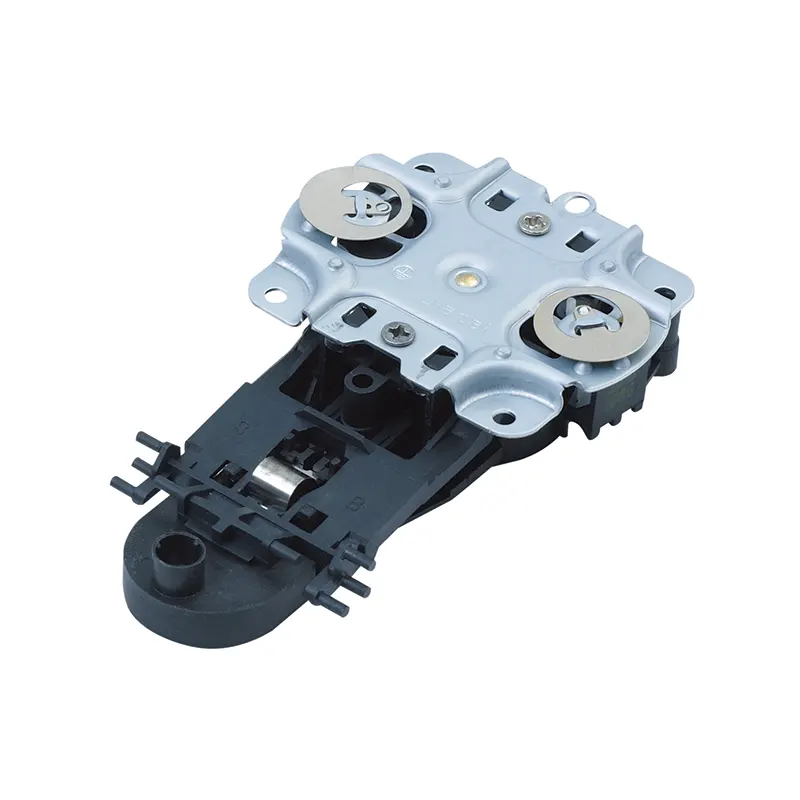
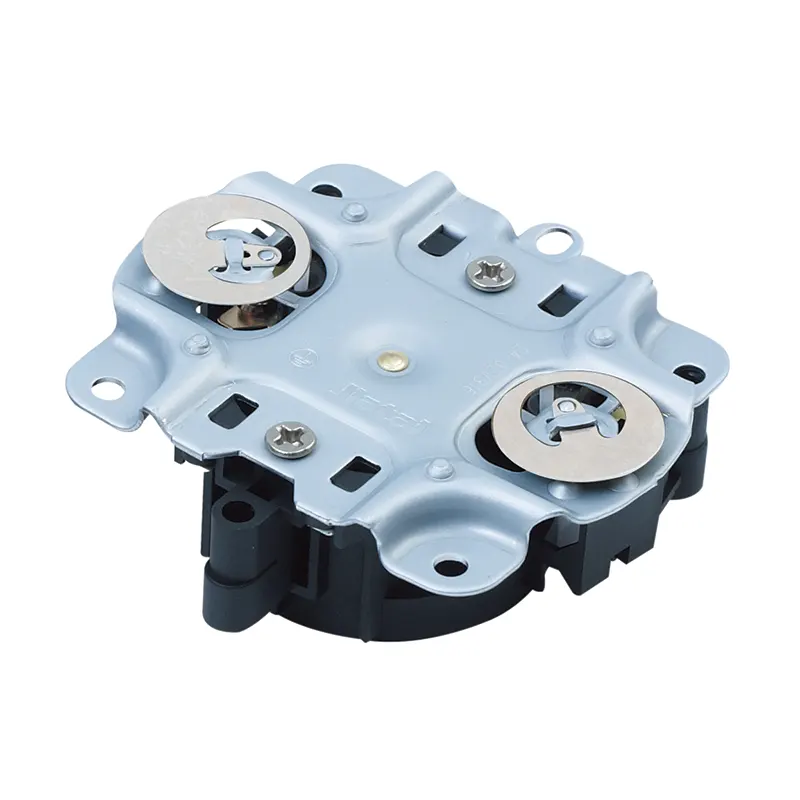
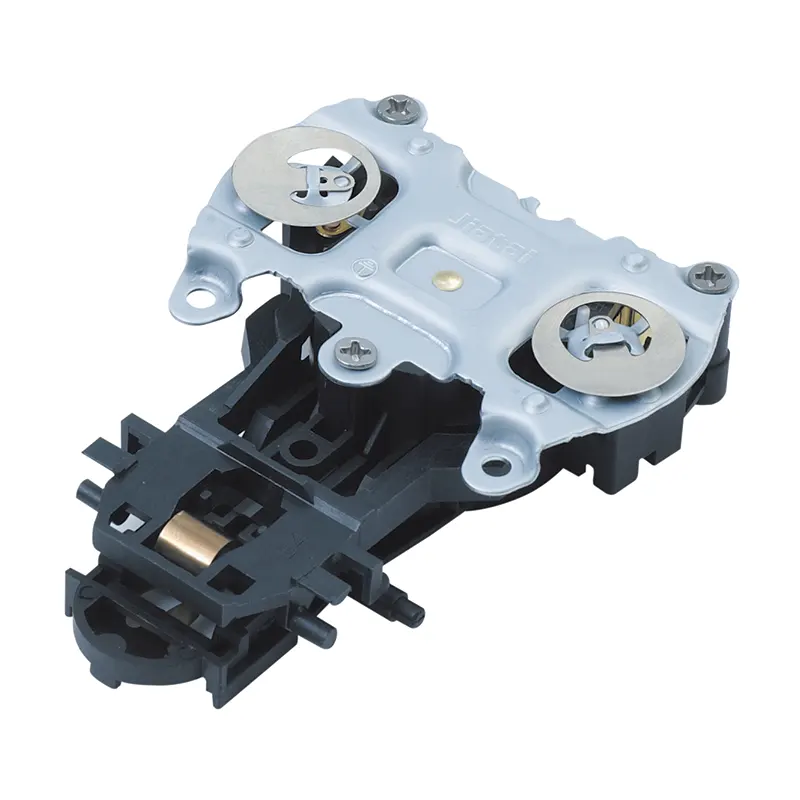
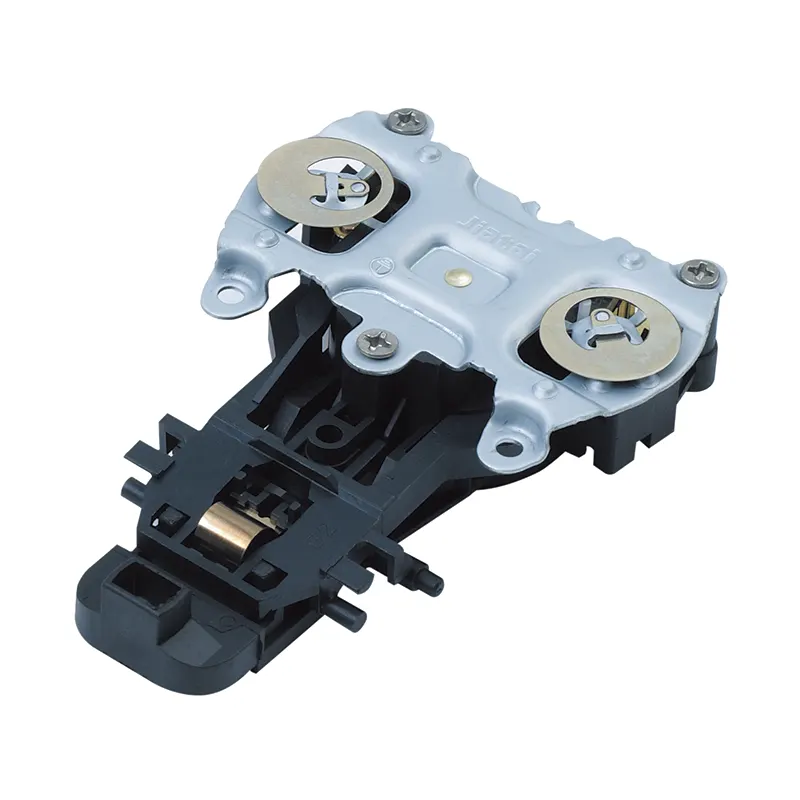
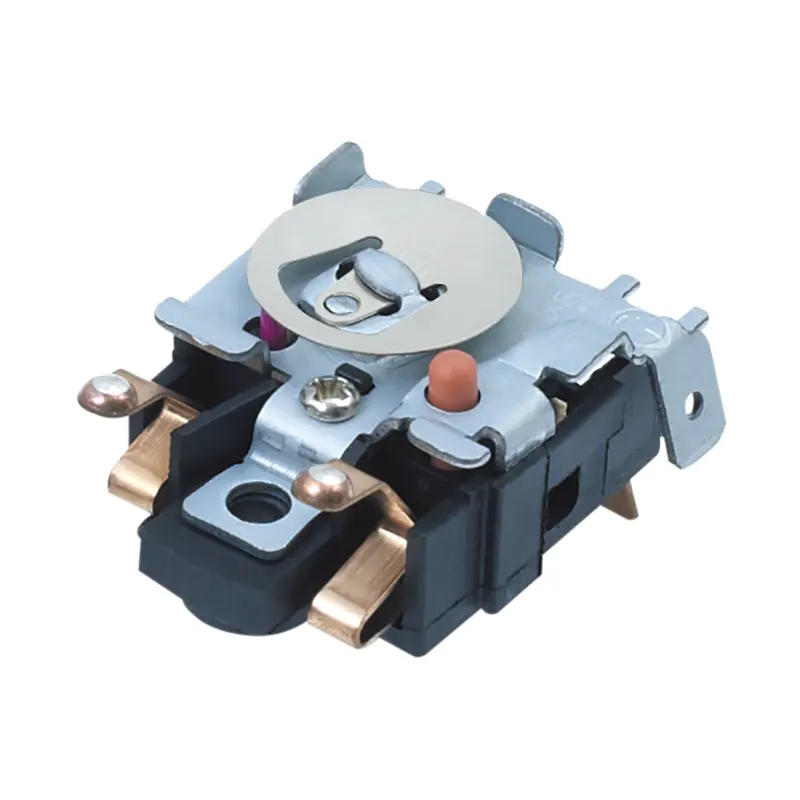
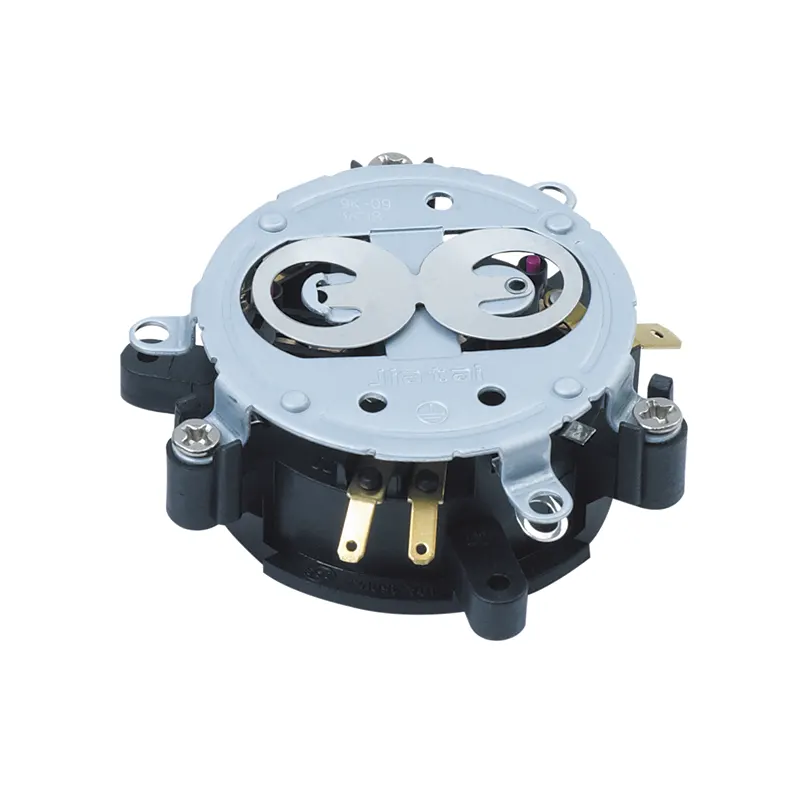
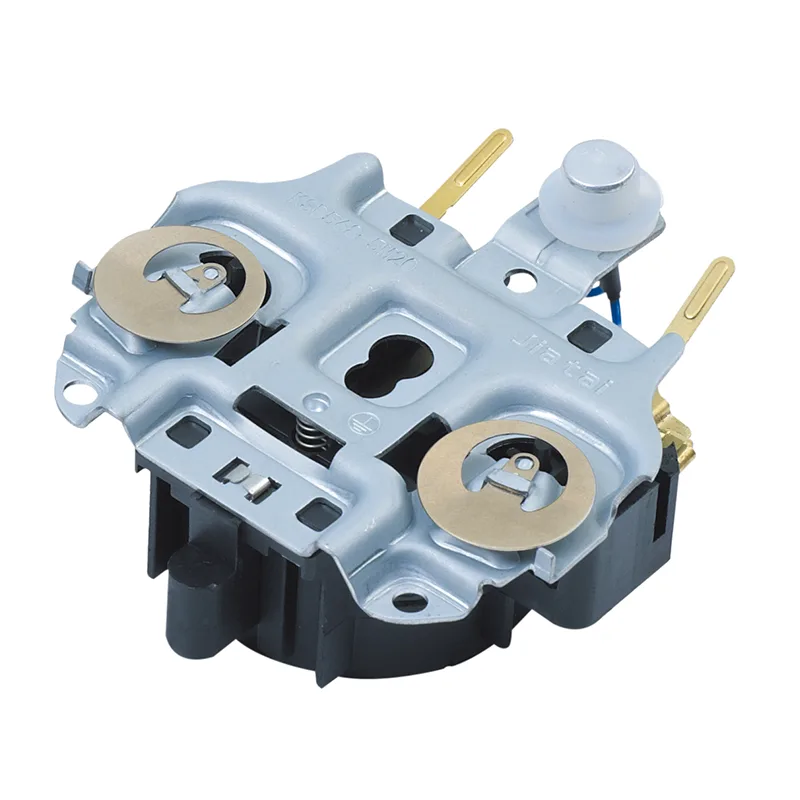
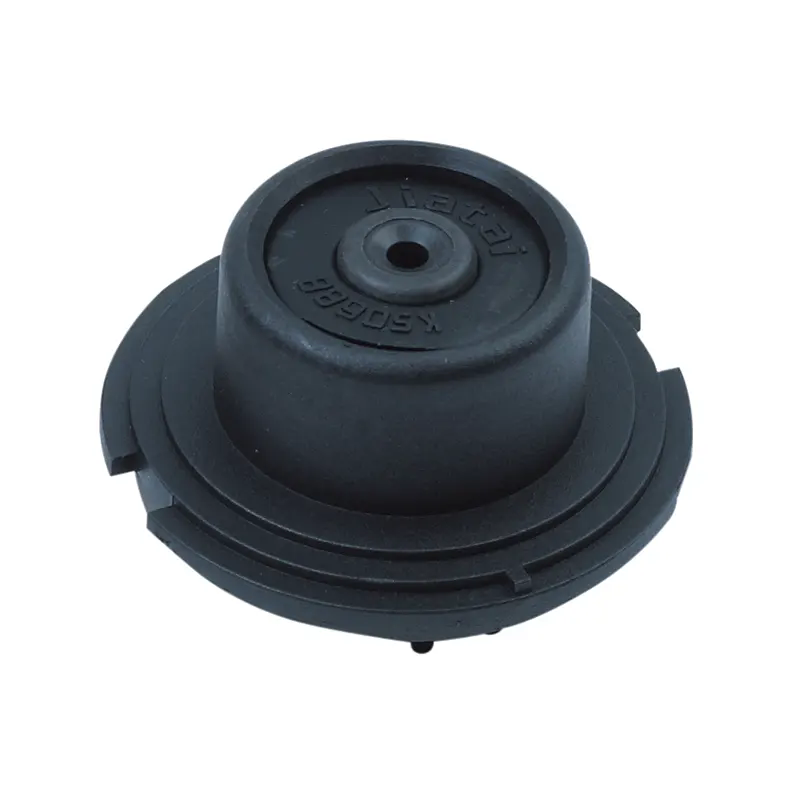
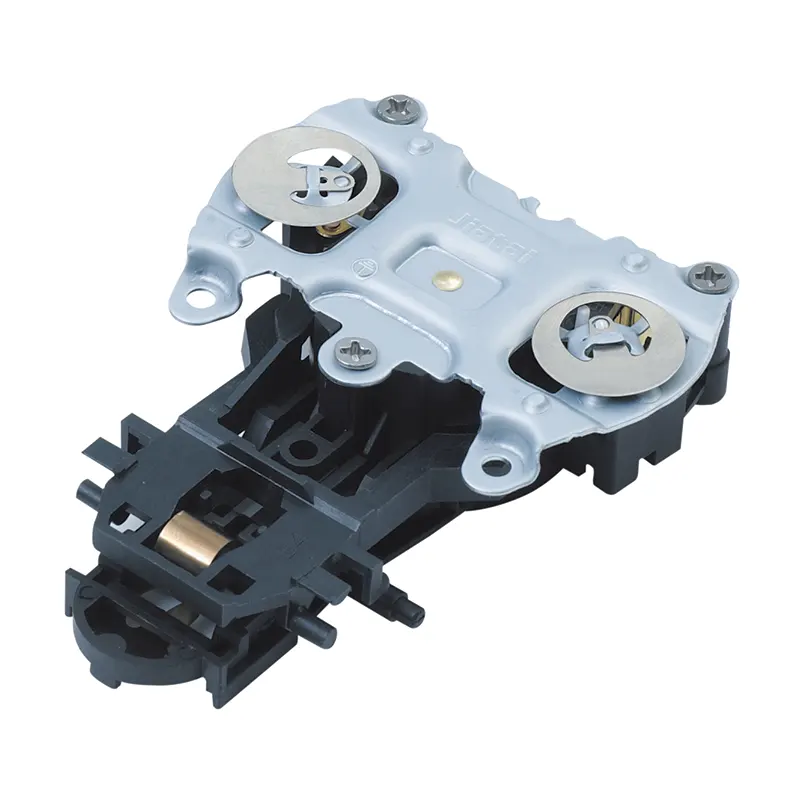
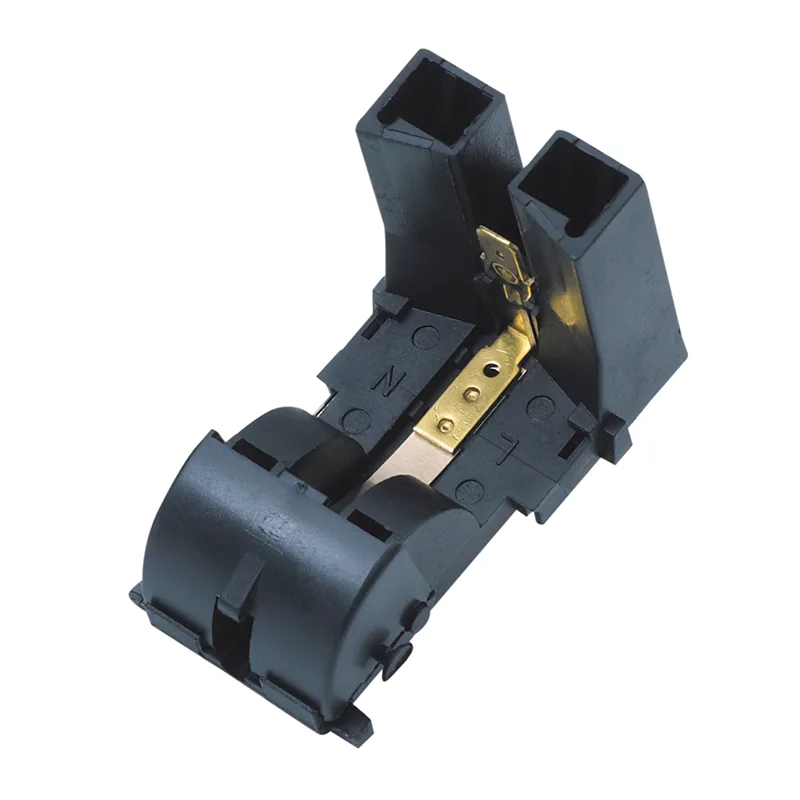
Buying an electric kettle thermostat for production is different from purchasing a replacement part for one appliance. An OEM buyer has to consider electrical specifications, mechanical compatibility, production requirements and long-term supply.
A thermostat may look suitable in a product photograph but still be unsuitable for the actual kettle design.
Start With the Heater
The first information a supplier normally needs is the heater specification.
The buyer should provide:
· Heater power
· Supply voltage
· Operating current
· Frequency
· Kettle capacity
· Expected heating time
For example, a 10A application and a 13A application should not automatically be treated as interchangeable simply because both products look similar.
Check the Pole Configuration
Jiatai currently offers 3-pole and 5-pole electric kettle thermostat solutions. The choice depends on the electrical functions required by the appliance.
A basic kettle may require a simpler configuration, while a multifunctional appliance can require additional connections for other functions.
Do Not Ignore Mechanical DimensionsMechanical fit can become a major issue during mass production.
Before ordering samples, manufacturers should confirm:
· Mounting holes
· Terminal position
· Overall dimensions
· Actuator position
· Coupler structure
· Base diameter
· Clearance around the thermostat
A few millimeters of difference can create assembly problems when the appliance housing has already been tooled.
Consider the Application Environment
A kettle thermostat works near heat, moisture and electrical loads. The materials and construction therefore need to be appropriate for the intended operating environment.
For projects intended for different international markets, certification and compliance requirements should also be discussed at the beginning of development.
What Information Should Be Sent to the Factory?
The fastest way to receive a useful recommendation is to provide as much technical information as possible:
1. Kettle drawing
2. Heater specification
3. Voltage
4. Current
5. Required thermostat function
6. Existing sample, if available
7. Connector drawing
8. Target market
9. Annual quantity
Jiatai supports OEM development from drawings and engineering samples through validation and trial production, which is particularly useful when the required thermostat is not an off-the-shelf replacement.
We use cookies to offer you a better browsing experience, analyze site traffic and personalize content. By using this site, you agree to our use of cookies. Privacy Policy