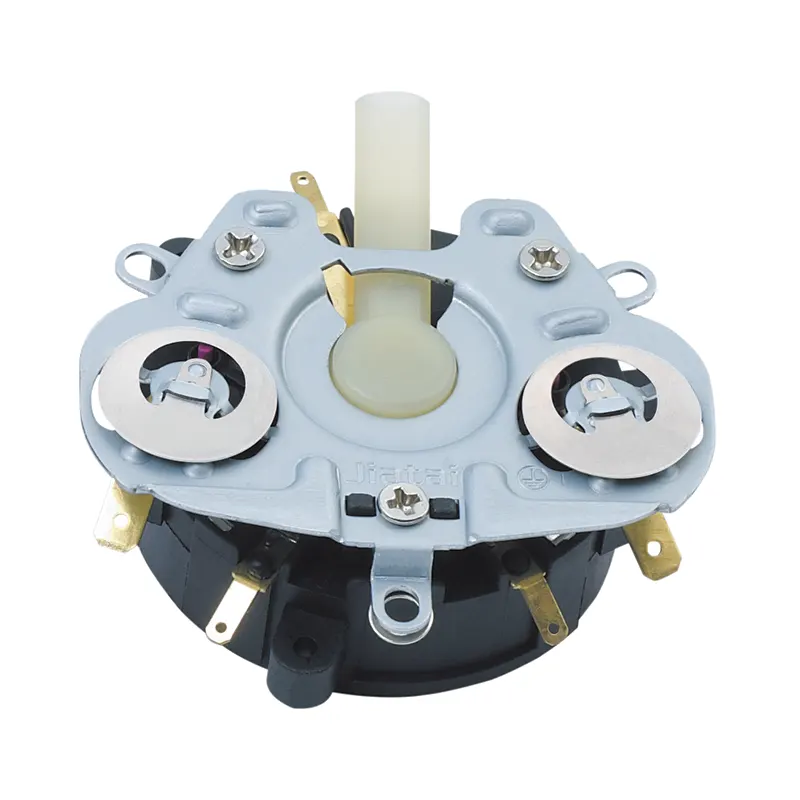
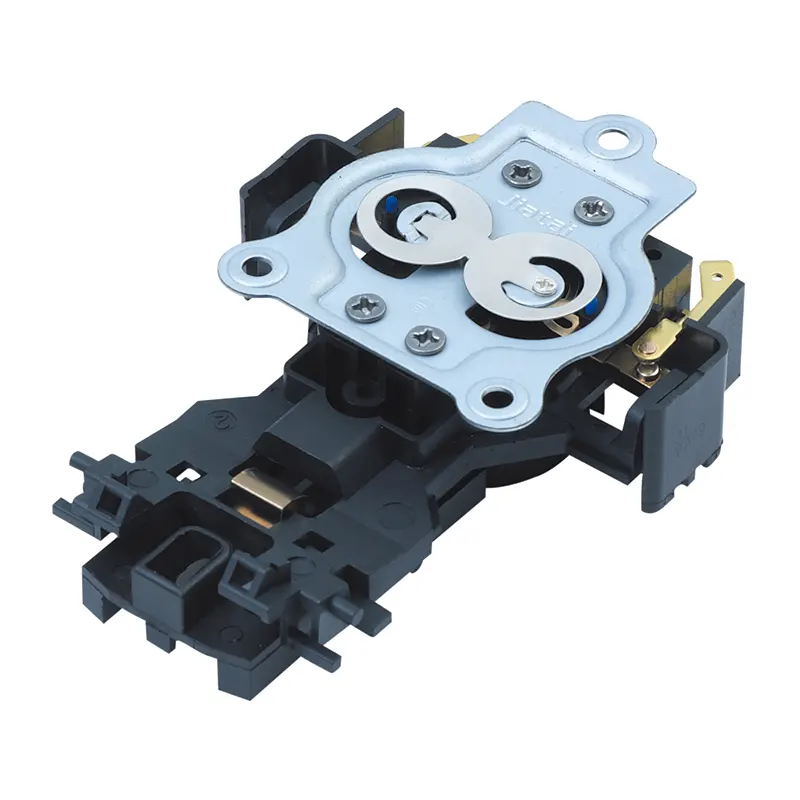
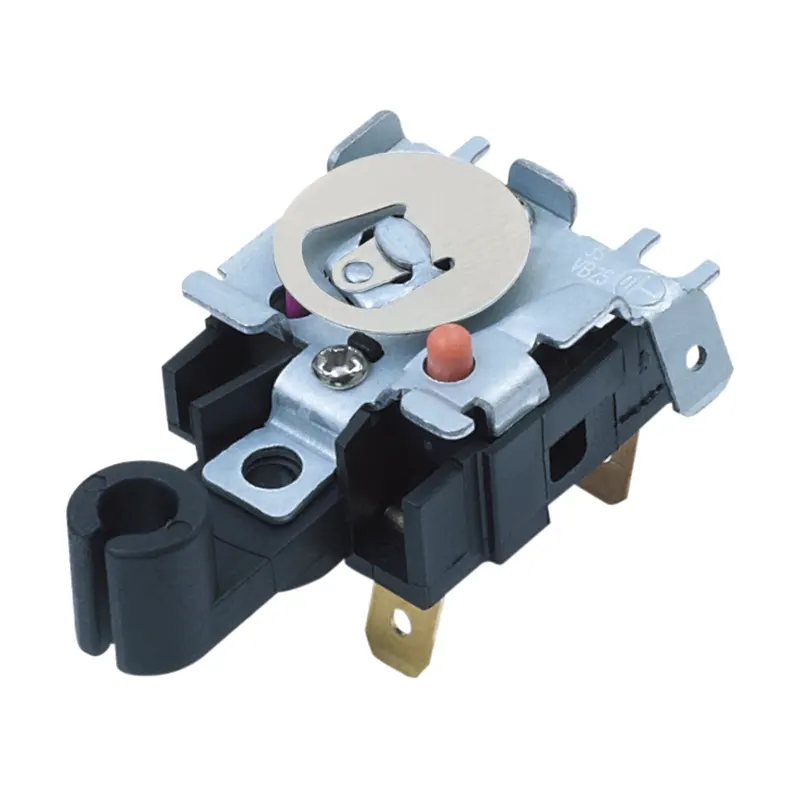
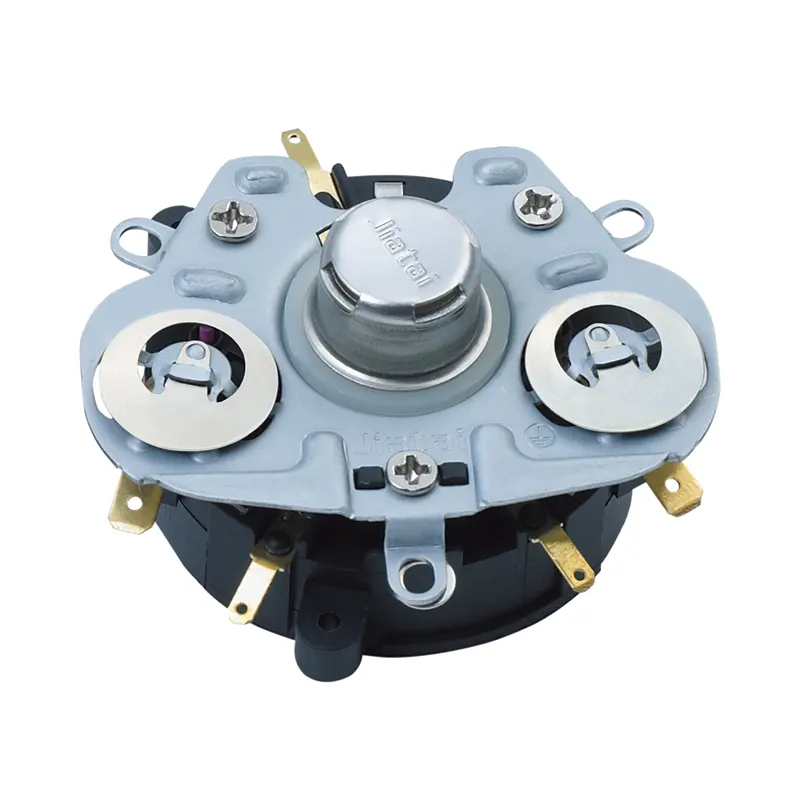
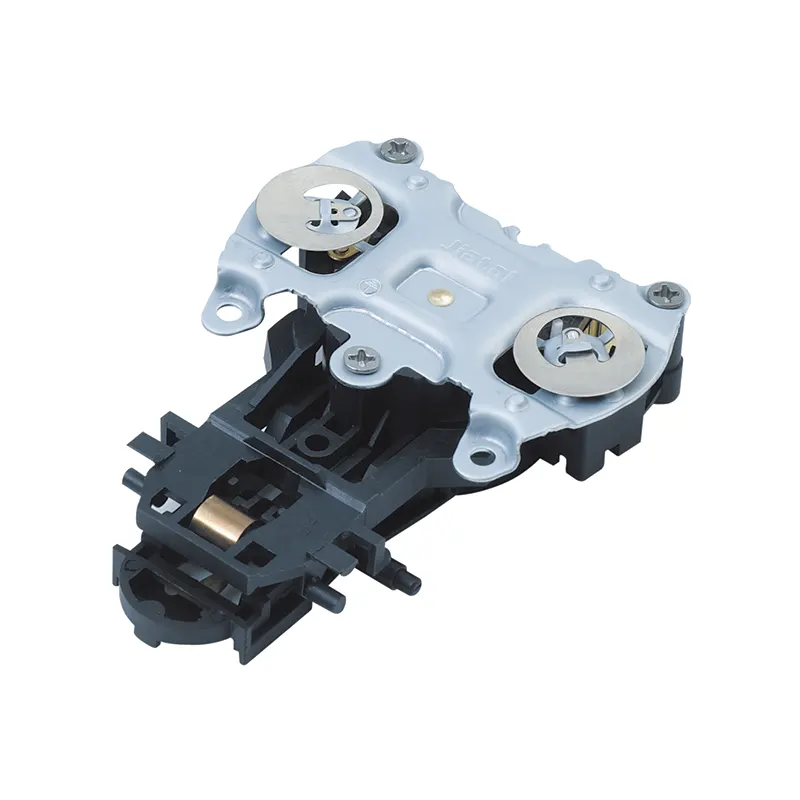
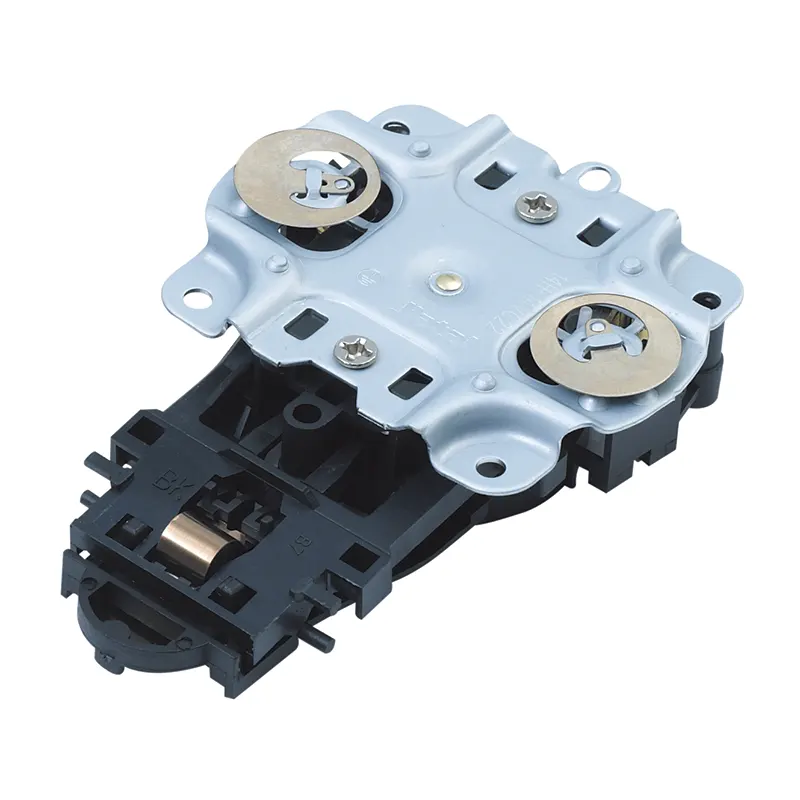
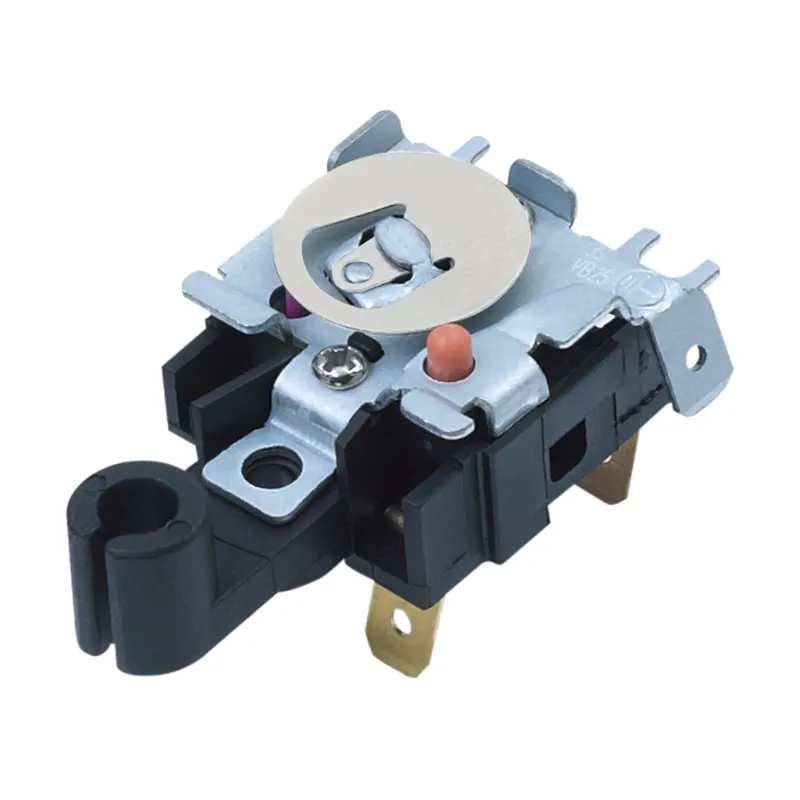
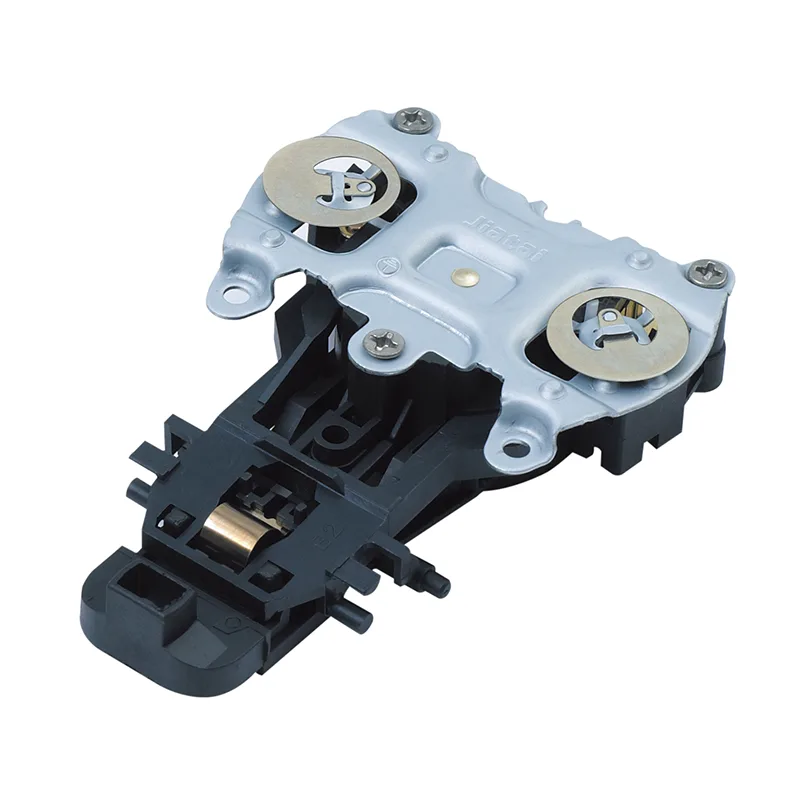
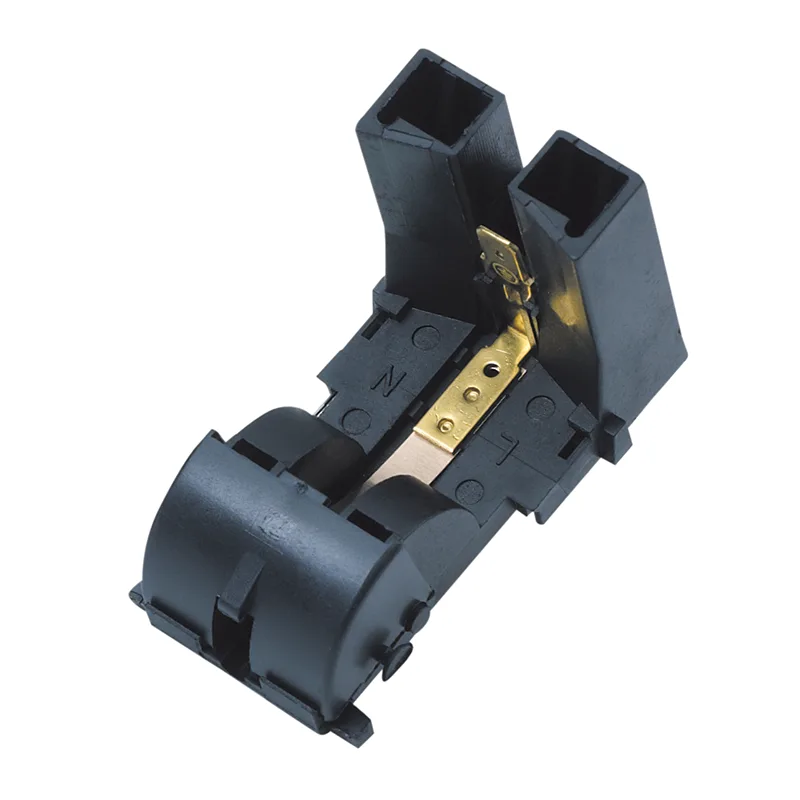
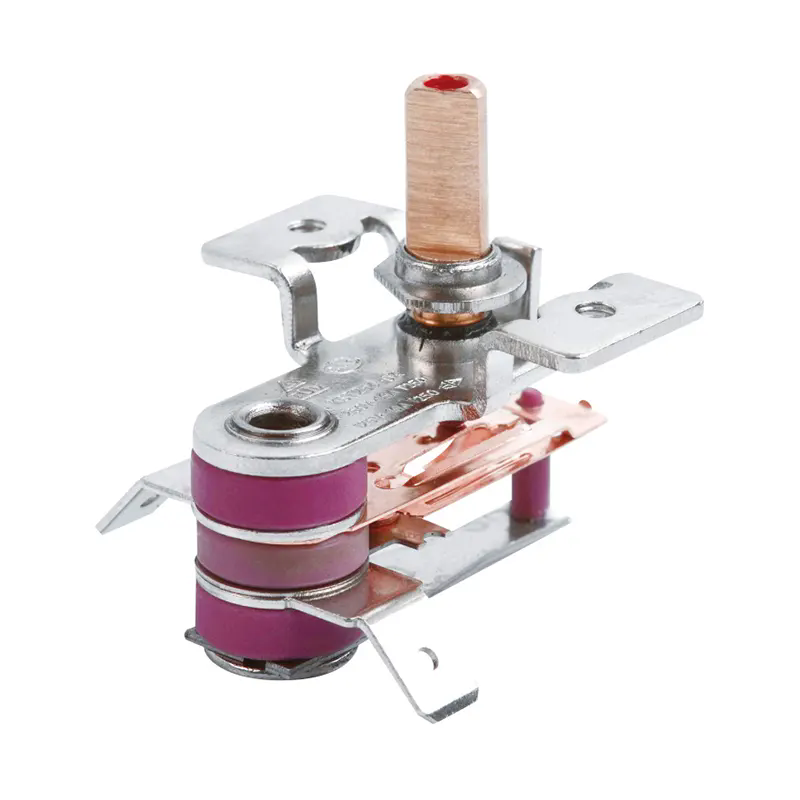
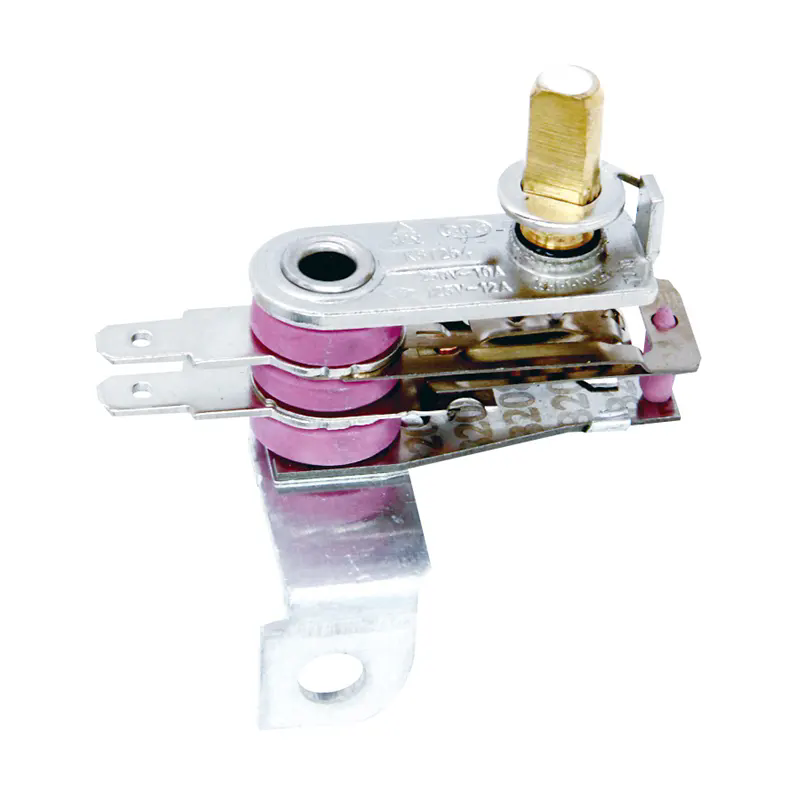
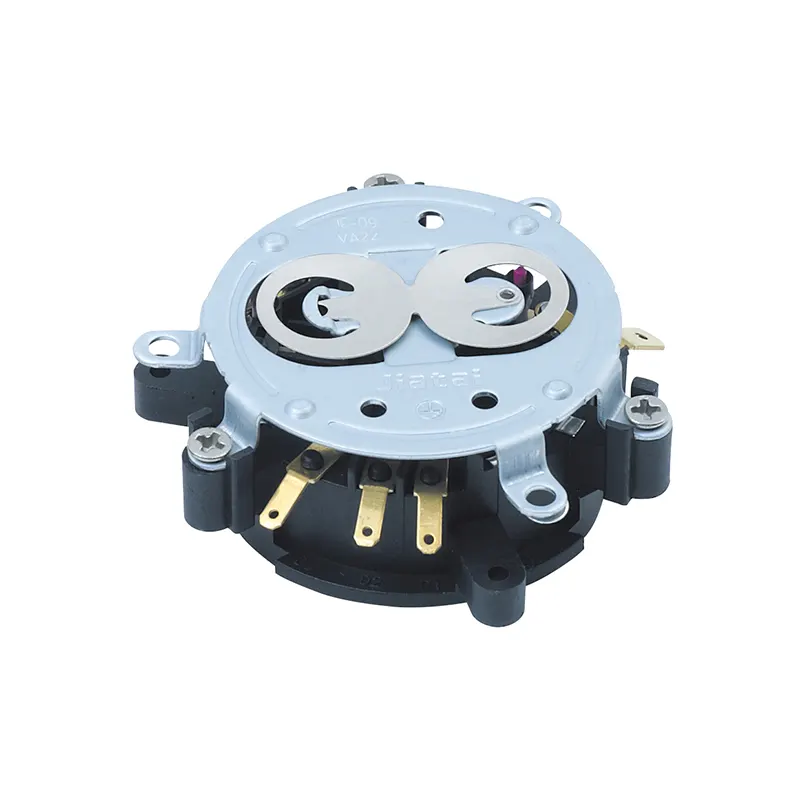
An electric kettle is expected to perform one basic task: heat water quickly and stop heating when the boiling process is complete. The automatic shut-off thermostat is the component that helps make this possible.
Without a suitable control mechanism, the heating element would continue receiving power after the water reaches boiling conditions. Apart from wasting energy, continuous heating could increase the temperature of the emptying kettle and place unnecessary stress on the heating system.
How Does Automatic Shut-Off Work?
In many conventional electric kettles, the thermostat uses a mechanical temperature-sensitive mechanism. Steam generated during boiling reaches the sensing area. The increase in temperature causes the mechanism to move and release the electrical contacts.
The result is a simple sequence:
Water heating → Steam generation → Temperature sensing → Contact movement → Power interruption
The process does not require an electronic display or complicated control software.
What Happens After the Kettle Switches Off?
The thermostat does not simply act as an ordinary on/off switch. Its mechanical structure is designed around a specific operating and recovery behavior.
The electrical contacts need to open reliably when the cut-off condition is reached. The mechanism must also remain stable during repeated heating cycles.
For a kettle manufacturer, this means that contact quality, spring characteristics, bimetal behavior, insulation and mechanical assembly all deserve attention.
Automatic Shut-Off Is Only One Part of Kettle Safety
A professional kettle design may include additional protection against abnormal heating conditions, including dry-boil or overheat protection.
This is particularly important because normal boiling and dry heating are very different conditions. When water is present, the temperature behavior of the heating system is relatively predictable. When the kettle is empty, the heating element can rise to a much higher temperature.
Jiatai's current kettle thermostat range includes products designed around automatic shut-off, overheat protection and dry-boil protection, with different pole configurations for different appliance designs.
What Should OEM Buyers Ask?
Before selecting an automatic shut-off thermostat, buyers should confirm:
· Heater wattage
· Working voltage
· Rated current
· Thermostat configuration
· Mounting position
· Terminal arrangement
· Required cut-off behavior
· Dry-boil protection requirements
· Connector compatibility
The best thermostat is not necessarily the one with the lowest purchase price. It is the one that matches the electrical, mechanical and thermal requirements of the kettle.
We use cookies to offer you a better browsing experience, analyze site traffic and personalize content. By using this site, you agree to our use of cookies. Privacy Policy