China Electrical Adjusting Thermostat Supplier
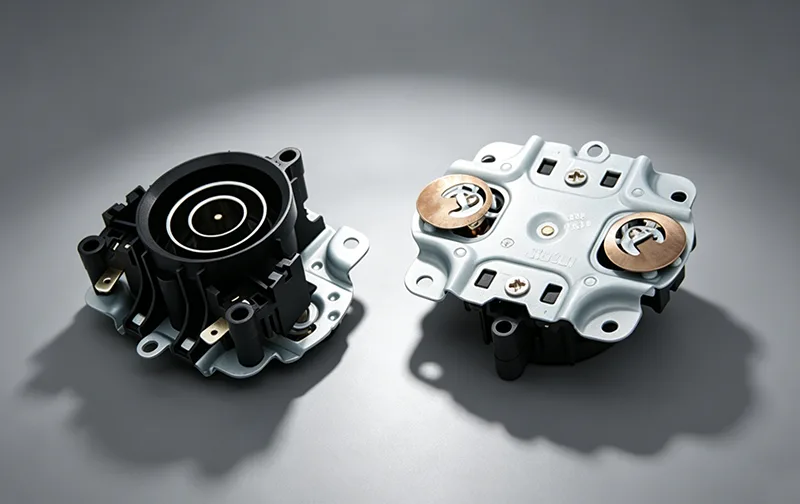
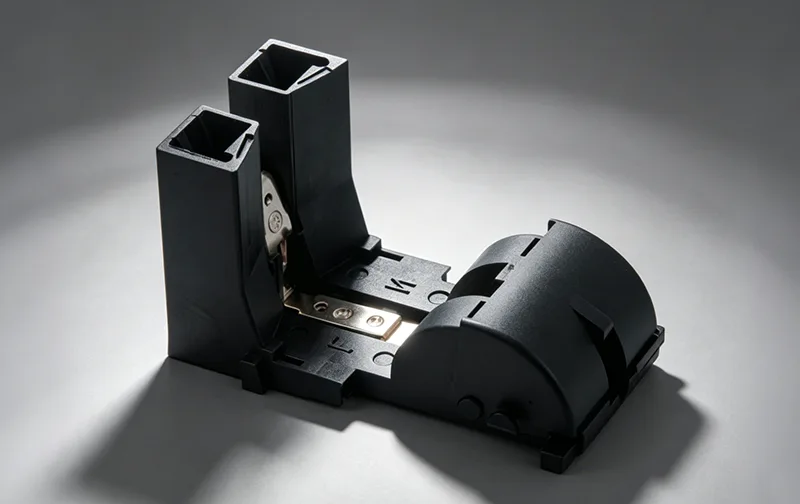
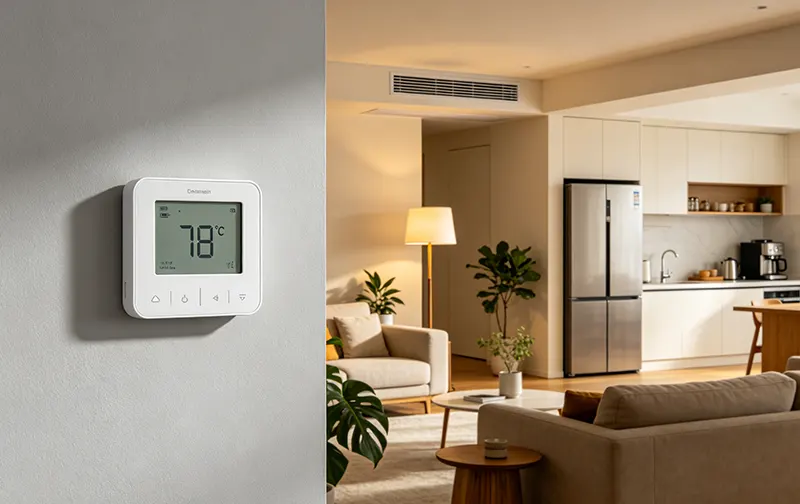
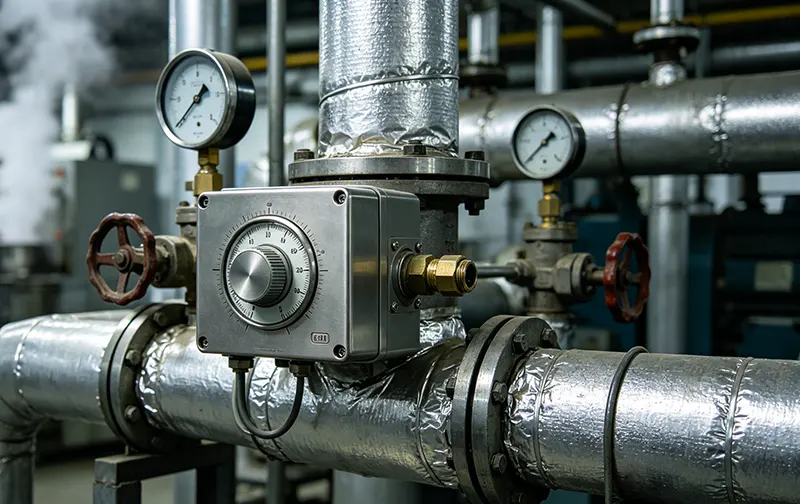
An Electrical Adjusting Thermostat is an electromechanical or fully electronic device that senses the ambient or surface temperature and cycles heating or cooling equipment to keep the environment within a user-defined range. Unlike fixed-setting thermal switches, it gives the operator the freedom to change the target temperature through a dial, a digital interface, or remote communication protocols. The adjusting mechanism can be based on a bimetallic strip, a fluid-filled capillary and bulb, an NTC thermistor, or a platinum resistance sensor, each suited to different temperature spans and environmental conditions. JIATAI thermostats incorporate high-quality sensor elements that guarantee consistent performance across thousands of switching cycles.
Why You Need
Temperature deviation is more than a comfort issue; it affects product quality, energy consumption, and equipment longevity. Here is why upgrading to a dedicated Electrical Adjusting Thermostat matters:
- Energy Efficiency: Accurate setpoint control prevents overheating or overcooling, directly reducing electricity or fuel costs. JIATAI thermostats feature tight differential settings, minimizing unnecessary cycling.
- Process Consistency: In baking, injection molding, or fermentation, even a 2°C drift can ruin a batch. An electrical adjusting unit maintains the target with minimal fluctuation.
- Equipment Protection: Compressors, heaters, and fans last longer when they are not forced to run continuously or short-cycle. A well-designed thermostat protects these assets.
- User Convenience: Clear displays, simple knobs, and intuitive programming make temperature adjustment effortless for non-technical staff.
- Compliance and Safety: Many industries require documented temperature control. JIATAI thermostats can be equipped with alarm relays that trigger when limits are breached.
Applications Across Industries
The versatility of an Electrical Adjusting Thermostat makes it indispensable in numerous sectors. JIATAI devices are currently deployed in:
- HVAC and Refrigeration: controlling air handlers, chillers, walk-in coolers, and defrost cycles.
- Food and Beverage: ovens, proofing cabinets, chocolate tempering machines, fryers, and pasteurization units.
- Plastics and Rubber: extruders, injection molding barrels, hot runner systems, and thermoforming machines.
- Medical and Laboratory: incubators, sterilizers, water baths, and environmental test chambers.
- Agriculture: poultry brooders, greenhouse heating, livestock water heaters, and grain drying.
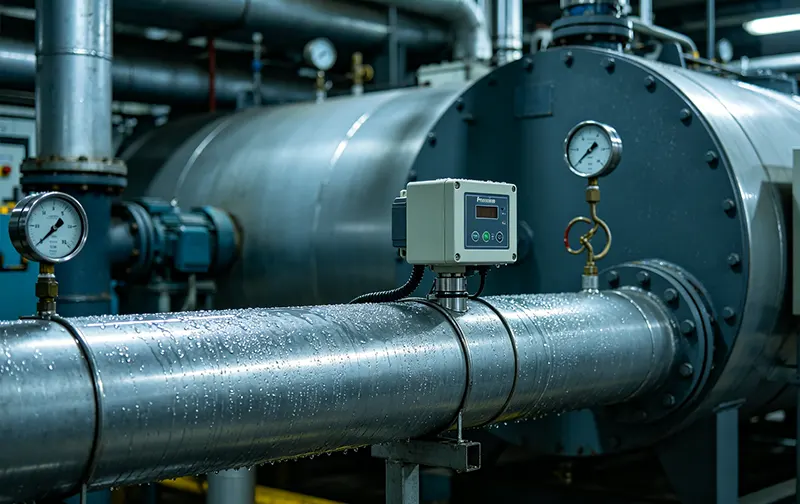
- Energy Management: solar water heater controllers, biomass boiler regulation, and heat pump logic.
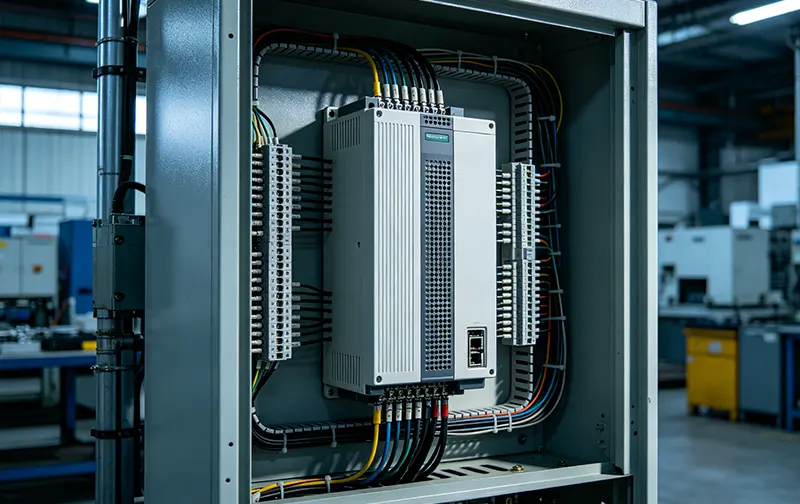
In each case, the ability to adjust the setpoint electrically, often remotely, allows operators to fine-tune processes without physically accessing the thermostat. This not only saves time but also enhances safety when equipment is in hard-to-reach locations.
Frequently Asked Questions
Can I use an Electrical Adjusting Thermostat for both heating and cooling?
Yes, many JIATAI models support heat/cool dual control. In electromechanical units, you typically have an SPDT (single pole double throw) switch that allows one contact to close on temperature rise and the other on temperature fall, thus enabling both heating and cooling actions if wired correctly. Digital thermostats often have dedicated outputs for heating and cooling, and you can set independent setpoints and hysteresis values. For instance, in a greenhouse, you might control a heater to turn on below 15°C and an exhaust fan above 28°C using the same thermostat. Always check the output configuration in the datasheet. Models like the JT-4000 PID series offer true heat/cool dual output functionality with auto-tuning for both loops.
What does differential or hysteresis ?
The differential, also called hysteresis, is the temperature band between the switch-on and switch-off points. In an electrical adjusting thermostat, when the temperature falls below the setpoint, the heater turns on; it stays on until the temperature rises above the setpoint plus the differential. A smaller differential yields tighter control but can cause short cycling in some systems. A larger differential prevents rapid cycling but allows wider temperature swings. JIATAI mechanical thermostats have either fixed or adjustable differentials. For example, the JT-3160 series has an internal screw to change the differential from about 2°C to 8°C. Digital controllers let you set the hysteresis precisely via the menu, typically from 0.1°C upward.
How do I choose the right capillary length for my mechanical Electrical Adjusting Thermostat?
The capillary length connects the sensing bulb to the switch body. You need enough length to reach from the thermostat mounting location to the point of temperature measurement without strain. Standard lengths are 1 to 2 meters, but JIATAI can manufacture up to 5 meters or more. Keep the capillary away from sources of electromagnetic interference and avoid sharp bends that could kink the liquid-filled tube. If the distance is long, ensure the capillary is secured to prevent vibration-induced fatigue. For applications where the measurement point is far, consider a remote bulb digital sensor instead, as it uses flexible cable and avoids the limitations of a fluid-filled system. Our sales engineers can help you decide based on your physical layout.
Is it possible to remotely adjust the setpoint ?
Absolutely. For digital controllers with communication options like RS485 Modbus or Ethernet, you can adjust the setpoint from a PLC, PC, or building management system. The JT-4500 series even includes a built-in web server, so you can change temperature settings from your smartphone or tablet. Electromechanical units require manual adjustment of the knob; however, we offer motorized knob variants for some series that can be driven by an external 0-10V signal or a stepper motor, effectively allowing remote electrical adjustment. Discuss your automation requirements with JIATAI to explore these specialized solutions.
What electrical ratings should I check before purchasing ?
The contact rating is critical to ensure the thermostat can directly switch your load. For resistive loads like heating elements, the rating is usually given in amps at 250V AC. JIATAI mechanical thermostats handle up to 25A resistive, which covers most single-phase heaters. For inductive loads (motors, contactors, solenoid valves), the rating is typically lower; you may need an external relay or contactor to handle the inrush current. Digital controllers often have a small relay output (3-5A) meant to drive an external power relay or SSR. Always verify both the resistive and inductive ratings. If your load exceeds the rating, use a JIATAI recommended solid-state relay interface to protect the thermostat and ensure long service life.
How do I calibrate an Electrical Adjusting Thermostat in the field?
Field calibration verifies that the setpoint scale matches actual temperature. For a mechanical thermostat, place the sensing bulb in a reference medium (stirred water or a dry block calibrator) with a certified reference thermometer. Wait for equilibrium, then compare the thermostat's switch point with the reference. If offset exists, open the unit (by qualified personnel) and carefully adjust a calibration screw on the mechanism. For digital units, access the input offset parameter and enter the correction value. Always let the system stabilize for several minutes before taking readings. JIATAI provides deadband and setpoint calibration procedures in each manual. If you require periodic recalibration, we recommend the digital models, as they are easier to adjust without mechanical intervention.
I
- View as
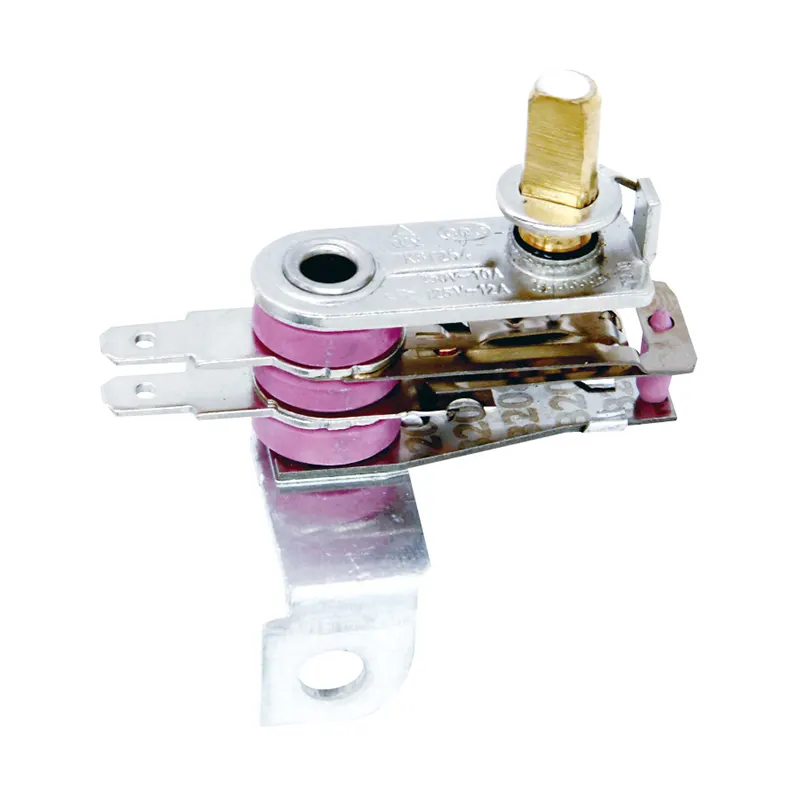
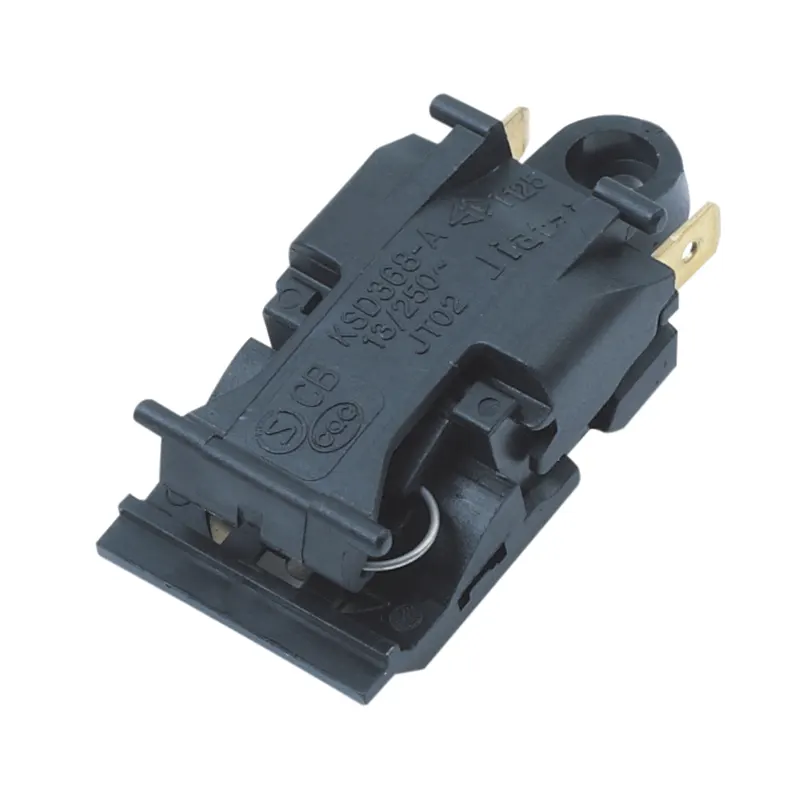
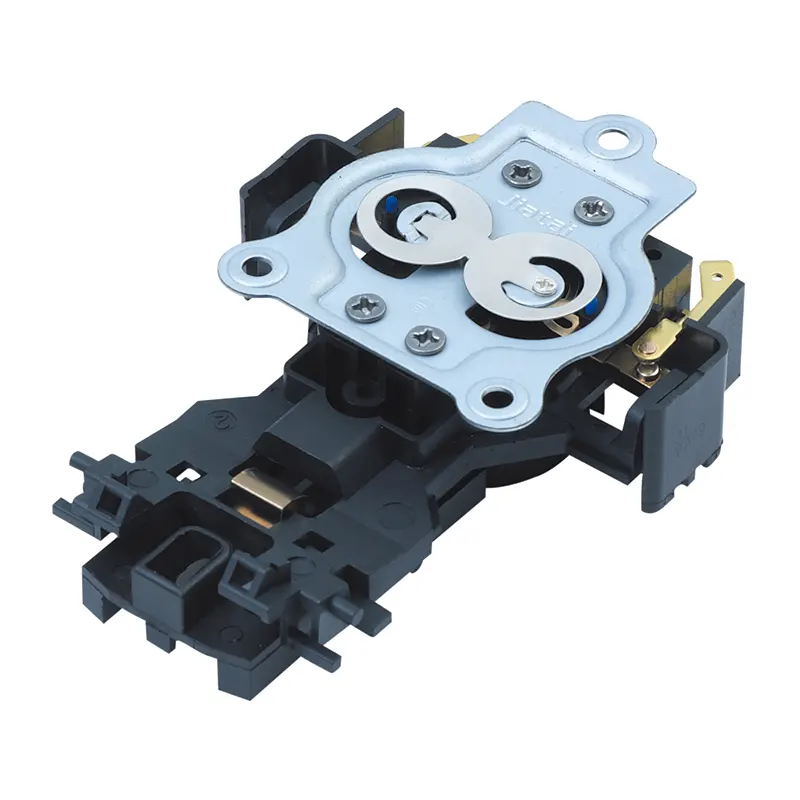
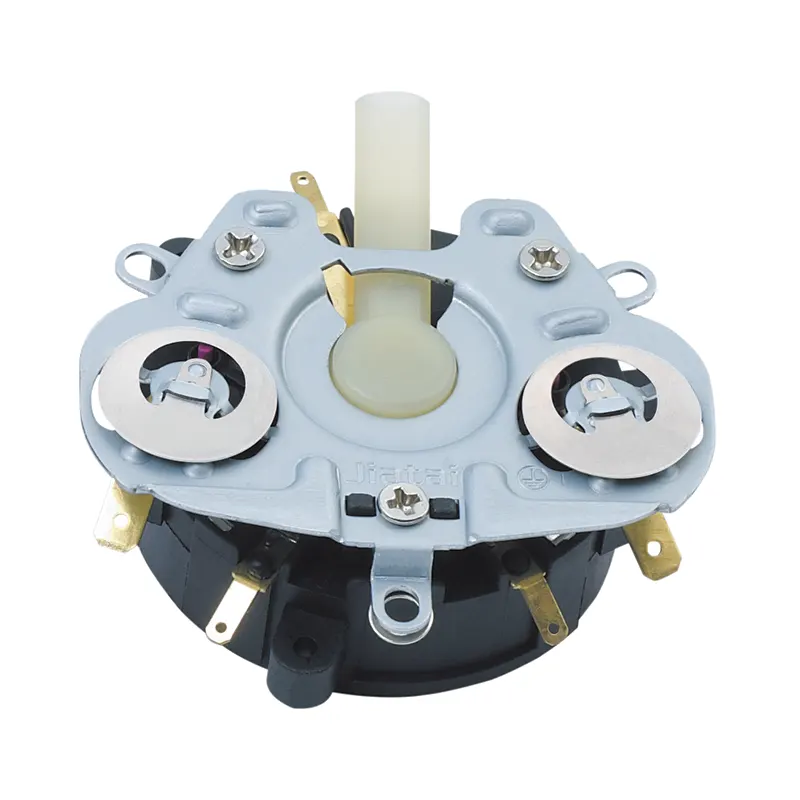
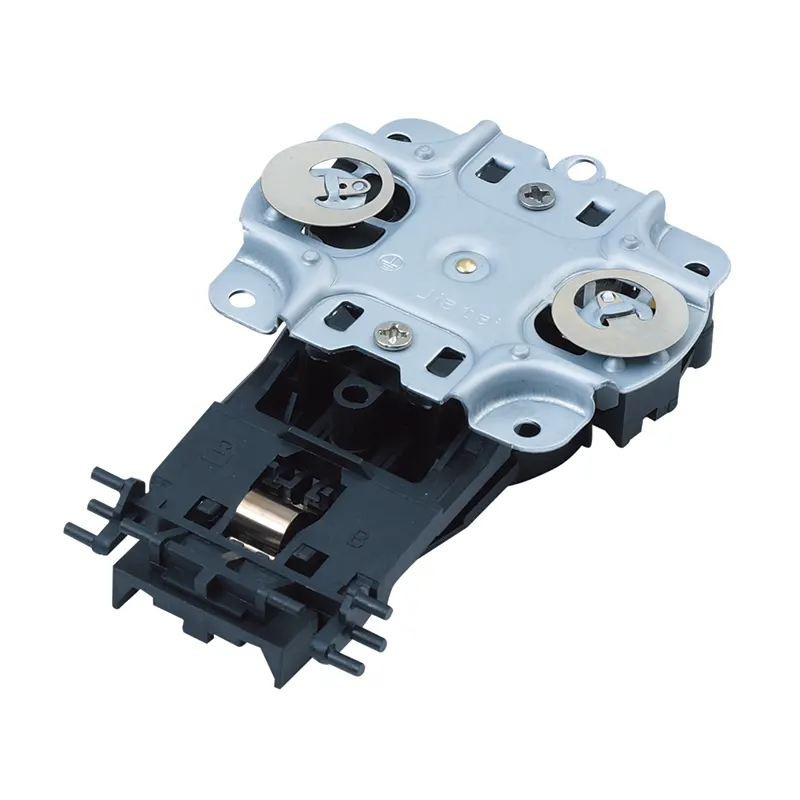
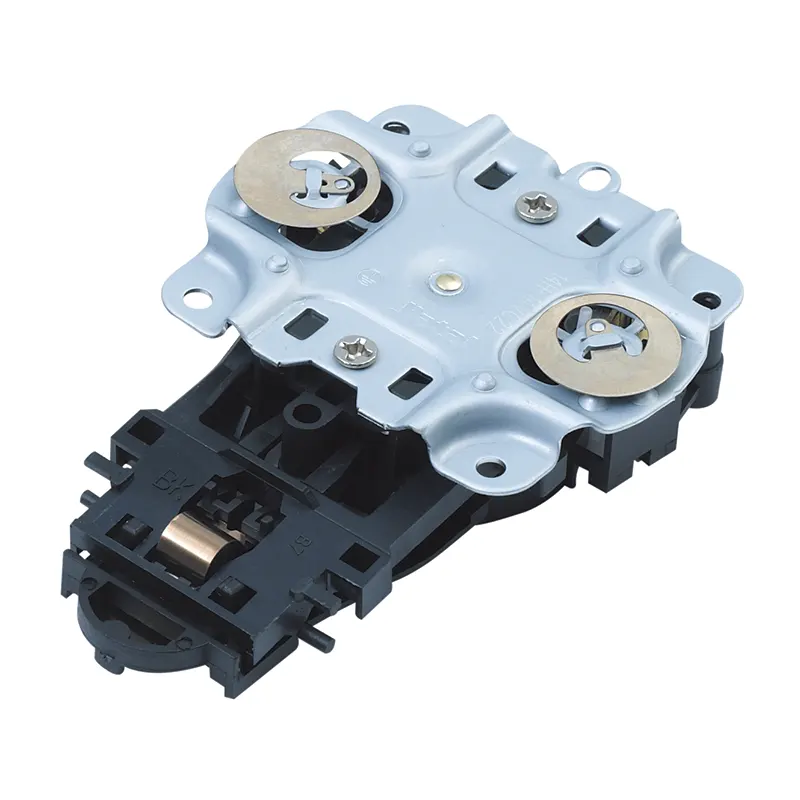
Electrical Adjusting Bimetal Thermostat
When equipment requires different temperature settings for different working conditions, a fixed thermostat is often unable to provide enough flexibility. JIATAI Electrical Adjusting Bimetal Thermostat is designed for applications that need adjustable thermal control, providing a configurable temperature range from 60℃ to 250℃ with reliable mechanical switching performance. Built with a durable bimetal sensing structure, this thermostat helps manufacturers achieve stable temperature regulation in heating appliances, electrical equipment and industrial systems.
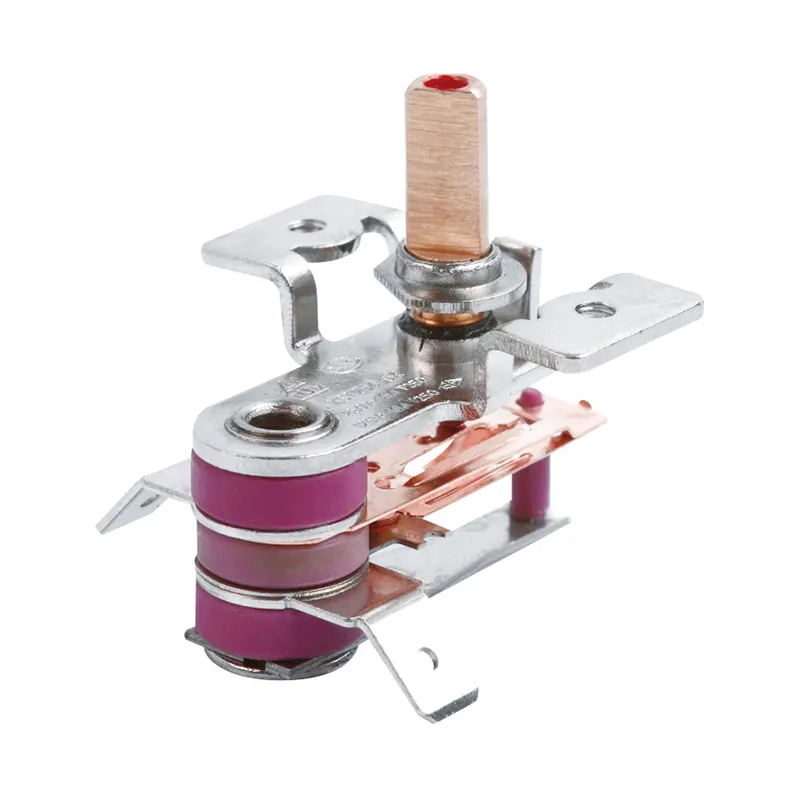
Electrical Steam Iron Temperatuer Controller
JIATAI Electrical Steam Iron Temperatuer Controller is designed for use in electric steam irons, garment steamers, and industrial ironing equipment. Featuring silver alloy contacts and a rating of 16A/250VAC, this commercial-grade bimetallic thermostat—supplied to OEM/ODM manufacturers—is capable of withstanding 100,000 operating cycles under full thermal load. It supports continuous temperature adjustment from 50°C to 250°C and holds multiple certifications, including UL 60730, VDE, CE, CQC, and RoHS.
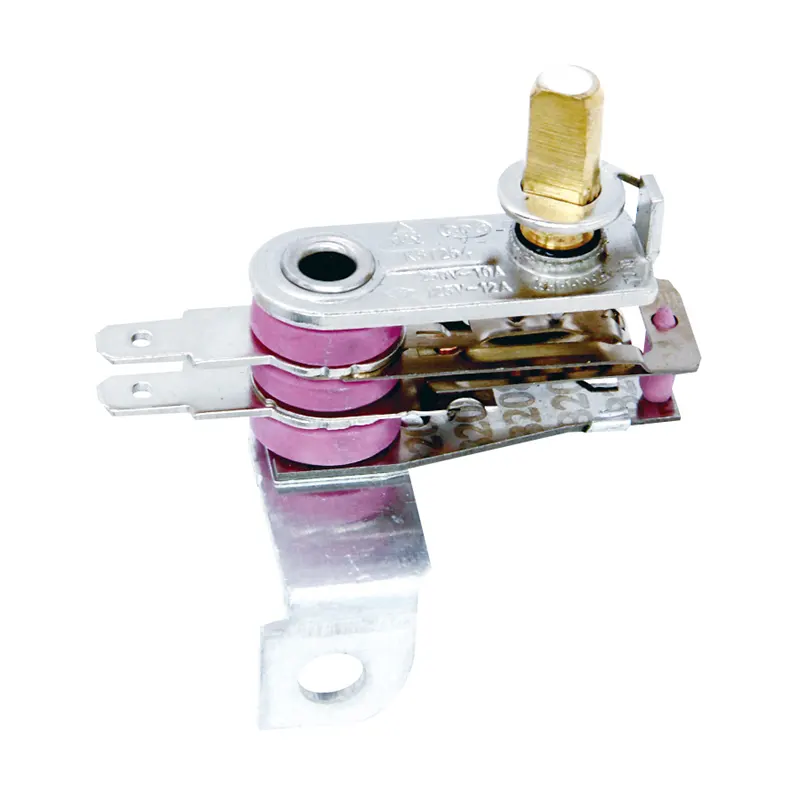
Waffle Maker Thermostat
Engineered by JIATAI, this heavy-duty Waffle Maker Thermostat delivers precision thermal regulation for commercial waffle bakers, bubble waffle iron lines, and rotary baking equipment. Featuring high-current 20A silver contacts (AgCdO/AgNi) and high-frequency Steatite ceramic bodies, it eliminates contact welding and arc erosion under continuous load. With full international compliance (UL 60730, EN 60730, CE) and a certified lifespan of 100,000 cycles, JIATAI provides global kitchen equipment OEMs with customized mounting brackets, tailored shaft designs, and an industry-leading ±3°C narrow temperature differential. Upgrade your heating reliability and eliminate equipment field failures with China’s specialized manufacturing partner.
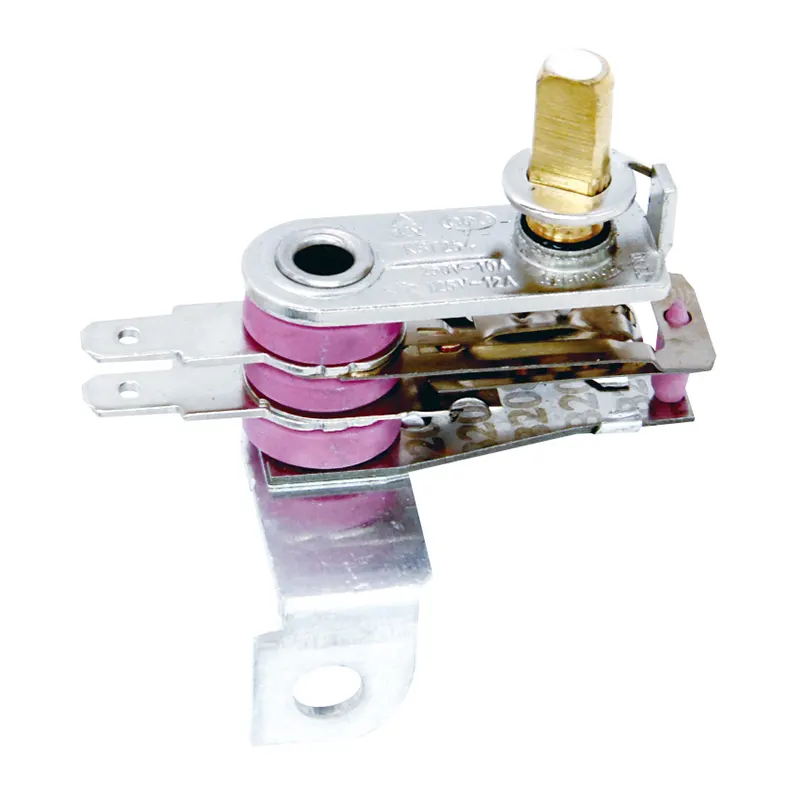
Grill Temperature Controller
Optimize your B2B sourcing and eliminate contact welding risks with JIATAI, a top-tier Chinese manufacturer of heavy-duty Grill Temperature Controllers. Engineered for commercial smokers and outdoor electric BBQ lines, our OEM/ODM bimetal thermostats utilize snap-action technology to suppress electrical arcs under heavy 20A loads. Buying directly from our certified factory ensures stable pricing, a 100,000-cycle product lifespan, and full UL/VDE compliance. Get custom-calibrated samples from China's specialized temperature control partner to secure your bulk production line.
Electric Griddle Thermostat
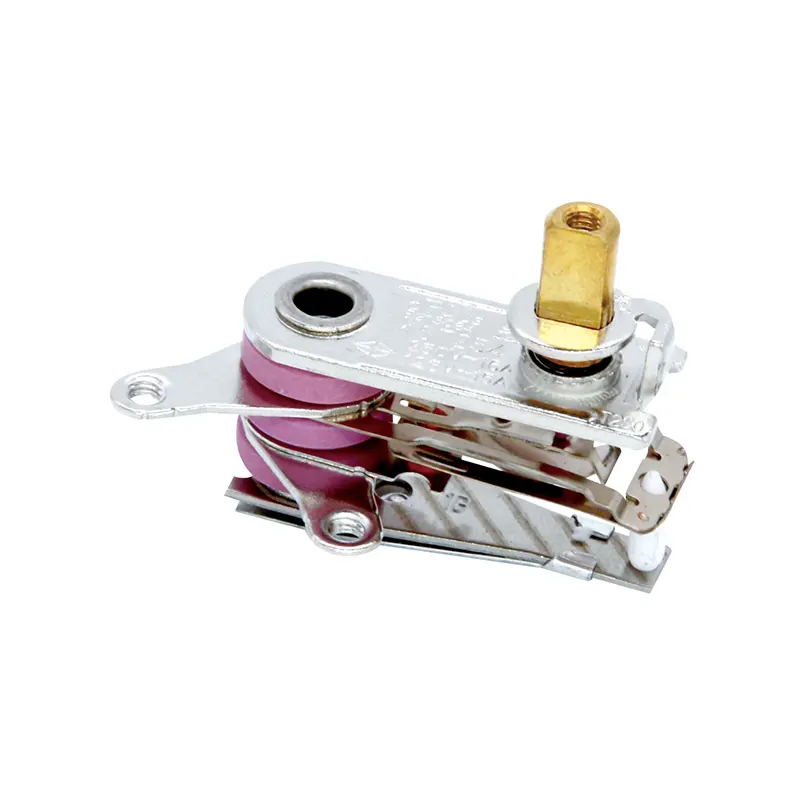
Optimize your B2B sourcing and secure exceptional kitchen heating reliability with JIATAI, a trusted manufacturer specializing in high-performance Electric Griddle Thermostats. This Thermostat features a high-temperature-resistant steatite ceramic body and a liquid-expansion capillary assembly. It effectively prevents contact sticking, surface overheating, and thermal drift—issues that can arise during the heavy-duty cooking loads typical of daily use. Jiatai has been manufacturing thermostats for over fifteen years; our highly experienced technical team, comprising more than one hundred professionals, is fully equipped to provide optimal solutions for any challenges you may encounter.
Pancake Maker Thermostat
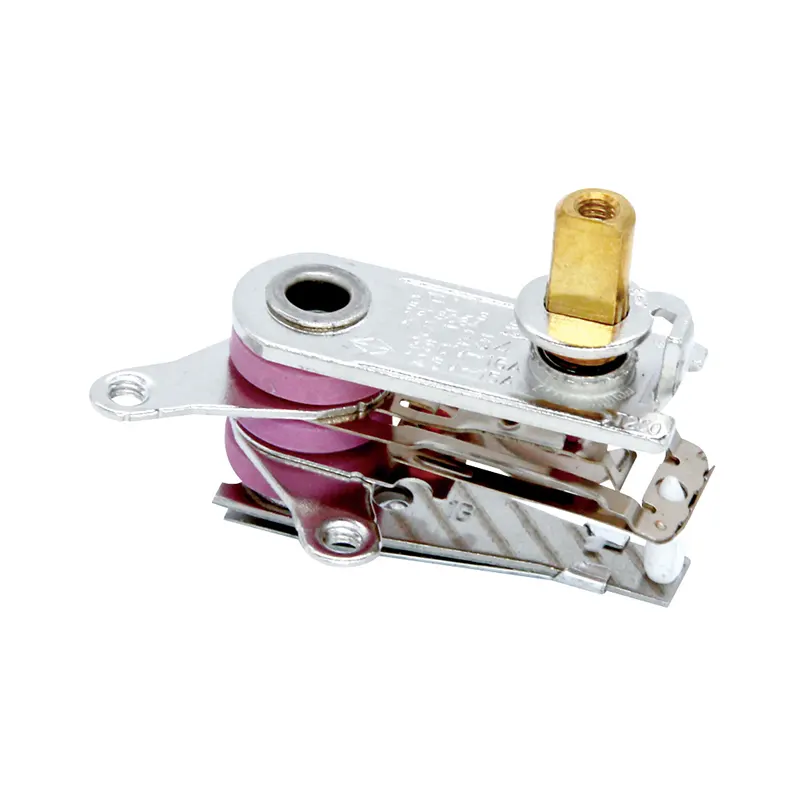
The Pancake Maker Thermostat is engineered to withstand high-temperature environments and frequent thermal cycling, offering precise temperature control within the 50°C to 300°C range. Jiatai holds certifications including UL 60730, VDE, CE, and RoHS, with a global market presence. The product utilizes silver-cadmium oxide contacts rated up to 20A/250VAC, effectively preventing contact sticking and surface pitting even under heavy-duty commercial usage.
JIATAI supplies Electrical Adjusting Thermostat with OEM customization, quality control and factory direct advantages. Contact us for your purchase needs.