
How Does an Electrical Iron Thermostat Improve Ironing Safety and Performance?
Article Summary
An electrical iron thermostat is one of the most important components inside a modern electric iron. Although it is a small device, it plays a critical role in controlling temperature, protecting fabrics, improving energy efficiency, and ensuring user safety. Without accurate temperature regulation, an electric iron may overheat, damage clothing materials, or experience reduced service life.

This article explains how an electrical iron thermostat works, why temperature control matters, what problems users commonly face, and how manufacturers can choose reliable thermostat solutions. With years of experience in temperature control technology, JIATAI provides professional electrical thermostat products designed for stable performance, durability, and safety in household appliances.
Table of Contents
- Why Is an Electrical Iron Thermostat Important?
- How Does an Electrical Iron Thermostat Work?
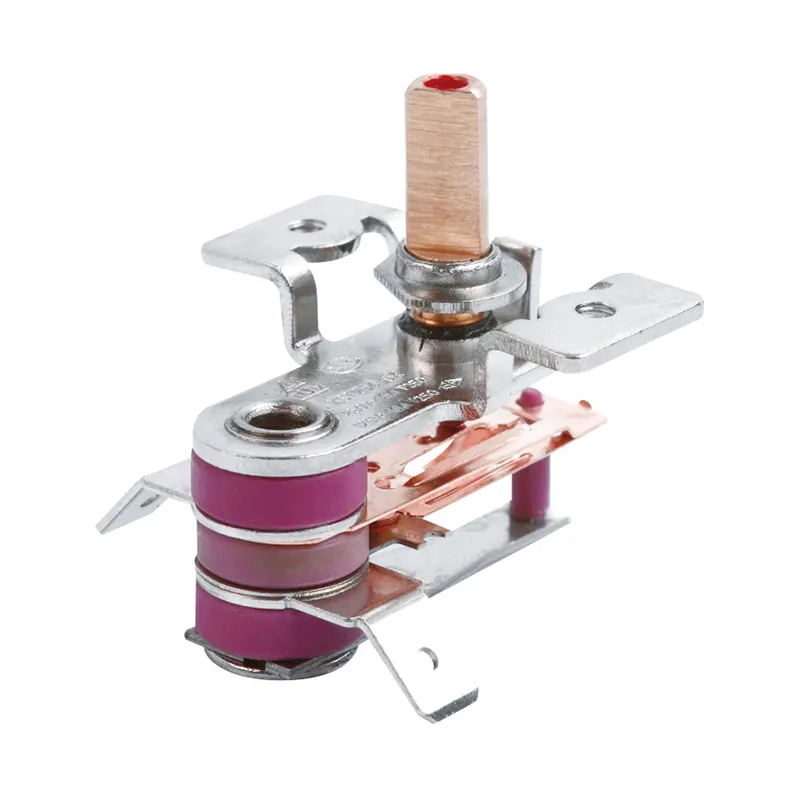
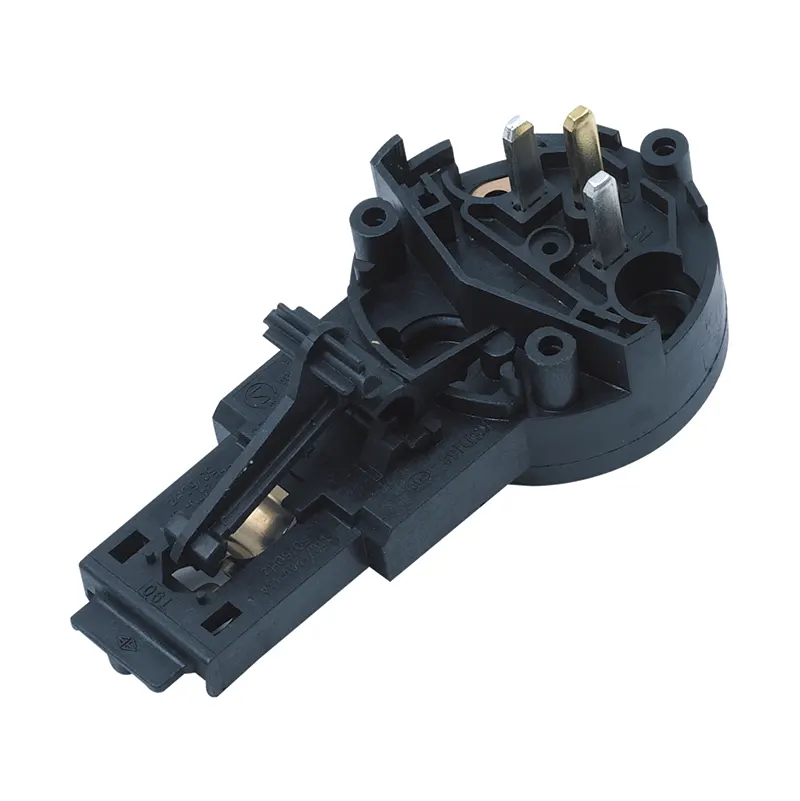
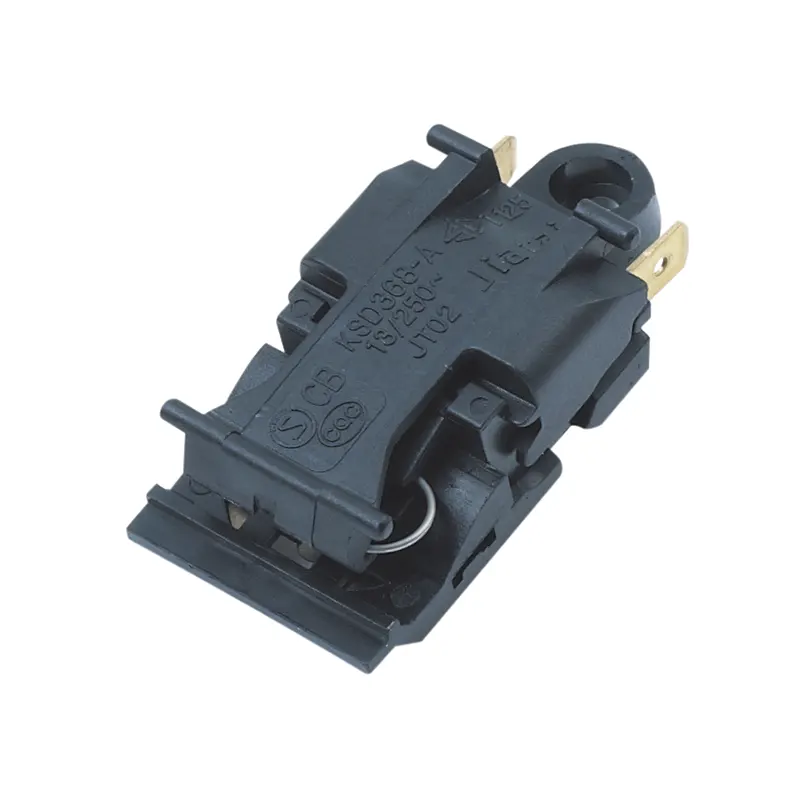
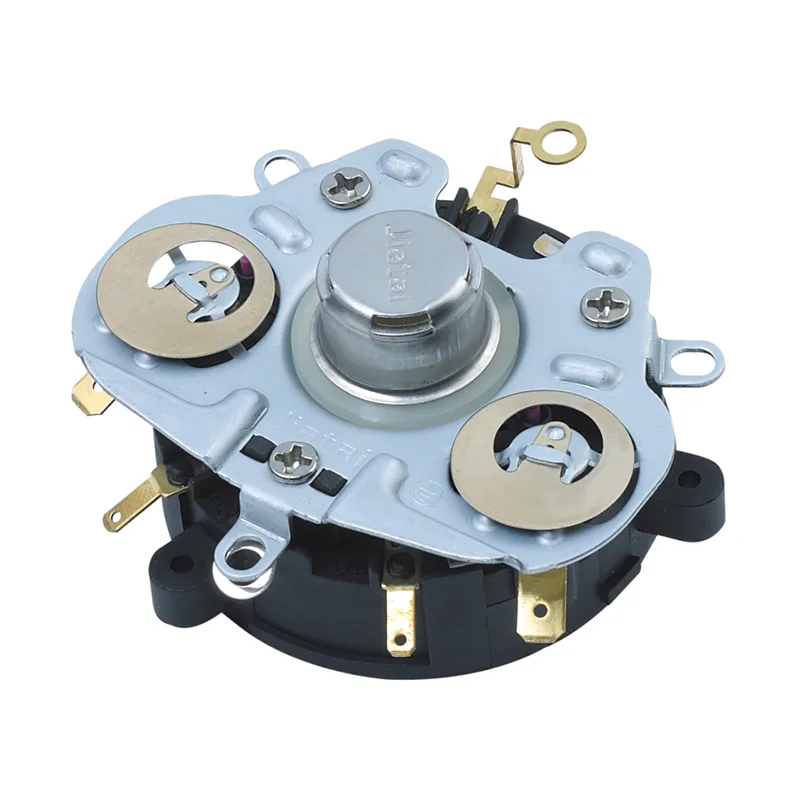
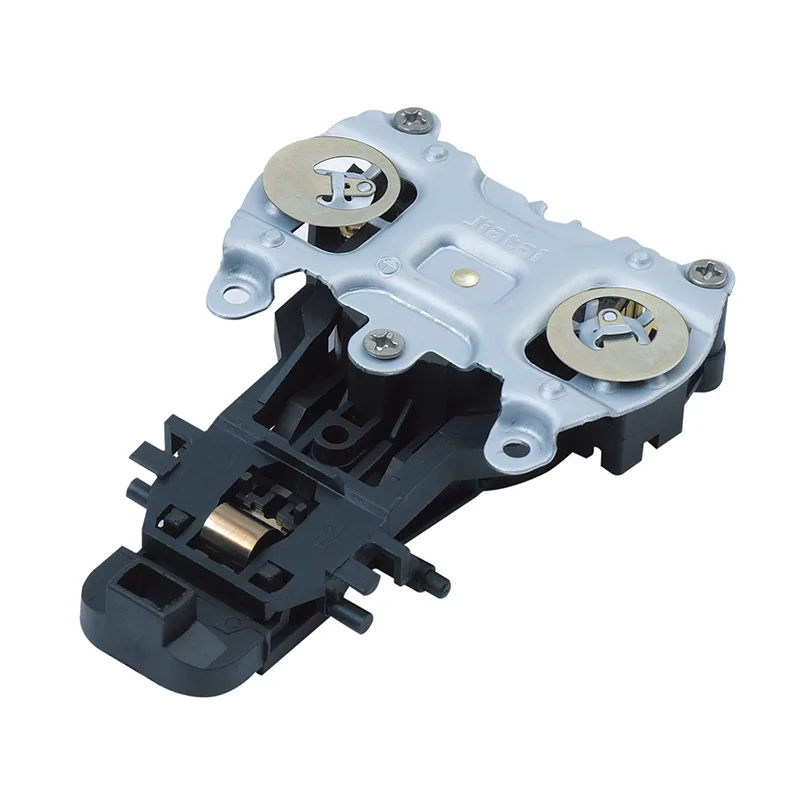
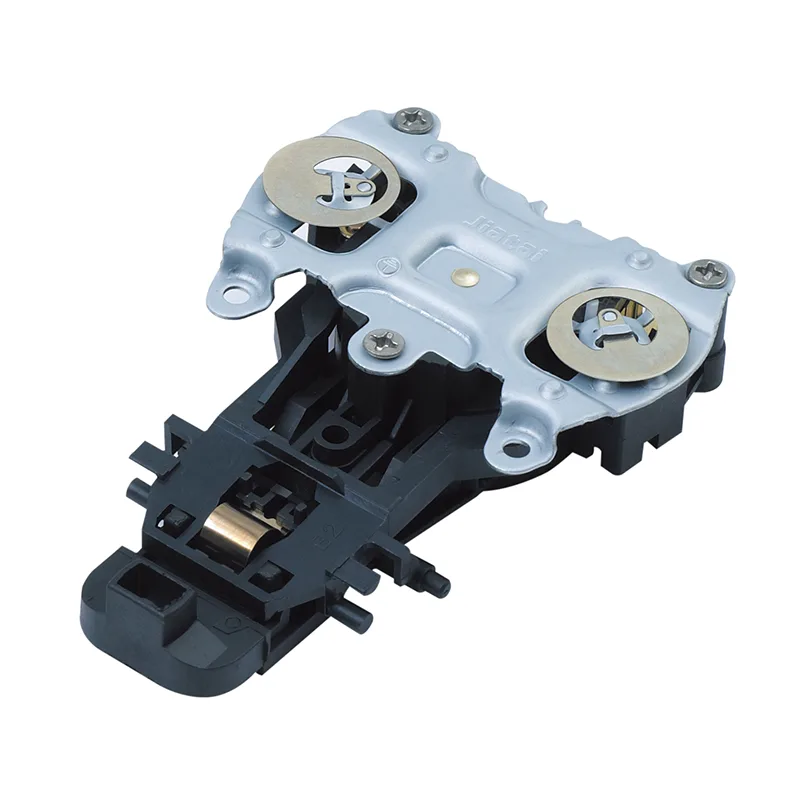
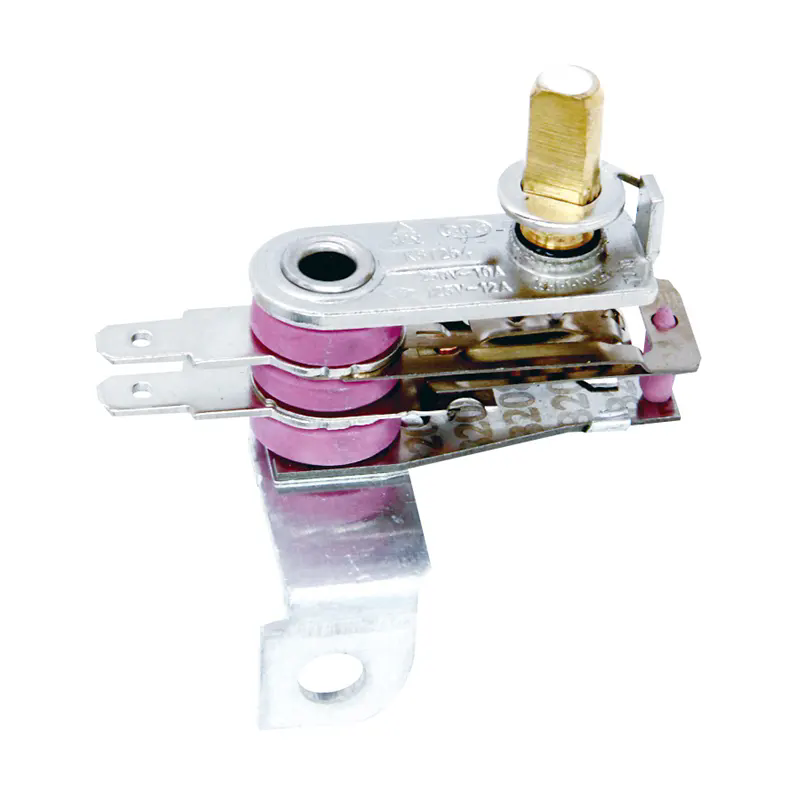
- Main Components of an Electrical Iron Thermostat
- Common Problems Without a Reliable Thermostat
- How to Choose the Right Electrical Iron Thermostat
- Benefits of Using a High-Quality Thermostat Solution
- Why Choose JIATAI Electrical Iron Thermostat Products?
- Frequently Asked Questions
Why Is an Electrical Iron Thermostat Important?
Electric irons are designed to generate controlled heat for removing wrinkles from different types of fabrics. However, different materials require different temperature levels. Cotton, silk, wool, and synthetic fabrics all have different heat tolerance ranges. If the temperature is too low, ironing efficiency decreases. If the temperature is too high, the fabric may burn or become permanently damaged.
The electrical iron thermostat solves this challenge by monitoring and adjusting the heating temperature automatically. It works as a temperature control system that allows the iron to maintain a stable heat level during operation.
A reliable thermostat provides several important functions:
- Maintains accurate temperature control during ironing.
- Prevents overheating caused by continuous heating.
- Improves appliance safety for household users.
- Extends the working lifespan of heating components.
- Supports better energy utilization.
For appliance manufacturers, selecting a dependable thermostat is essential because the temperature control system directly affects product quality, customer satisfaction, and long-term reliability.
How Does an Electrical Iron Thermostat Work?
An electrical iron thermostat operates based on temperature-sensitive mechanical movement. Inside the thermostat, a temperature sensing element reacts to changes in heat. When the iron reaches the preset temperature, the thermostat automatically interrupts the electrical circuit. When the temperature drops below the required level, it reconnects the circuit and allows heating to continue.
This repeated switching process keeps the iron temperature within a controlled range instead of allowing unlimited heating.
The working process can be divided into several stages:
- Heating stage: When the iron is powered on, electricity flows through the heating element and generates heat.
- Temperature detection: The thermostat continuously senses the temperature of the soleplate.
- Circuit control: When the temperature reaches the selected setting, the thermostat disconnects the power supply.
- Cooling adjustment: When the temperature decreases, the thermostat reconnects the circuit automatically.
- Continuous regulation: The system repeats this cycle to maintain stable ironing temperature.
This simple but effective mechanism allows electric irons to provide consistent performance while reducing risks caused by excessive heat.
Main Components of an Electrical Iron Thermostat
Although thermostat designs may vary depending on application requirements, most electrical iron thermostats contain several essential parts that work together to achieve precise temperature control.
| Component | Function |
|---|---|
| Temperature sensing element | Detects temperature changes and activates the control mechanism. |
| Bimetal strip | Uses thermal expansion differences between metals to create mechanical movement. |
| Electrical contacts | Open or close the circuit according to temperature conditions. |
| Adjustment mechanism | Allows users or manufacturers to set suitable temperature ranges. |
| Protective housing | Provides insulation and improves durability under working conditions. |
The quality of each component influences thermostat accuracy, response speed, and operational reliability. A poorly designed thermostat may result in unstable temperature control, frequent switching failures, or safety concerns.
Common Problems Without a Reliable Electrical Iron Thermostat
A thermostat is a small component, but failures can create major problems for electric iron users and manufacturers. Understanding these issues helps businesses select better temperature control solutions.
| Problem | Possible Cause | Impact |
|---|---|---|
| Overheating | Incorrect temperature control or thermostat failure | Fabric damage and safety risks |
| Unstable heating | Poor temperature sensing performance | Reduced ironing efficiency |
| Short service life | Low-quality materials and frequent electrical stress | Higher replacement costs |
| Power switching problems | Contact wear or mechanical failure | Unreliable appliance operation |
For manufacturers, these problems can lead to customer complaints, increased warranty costs, and reduced product reputation. Choosing a professional thermostat supplier is therefore a key step in improving appliance reliability.
How to Choose the Right Electrical Iron Thermostat?
Selecting a suitable electrical iron thermostat requires consideration of multiple technical factors. A thermostat should not only fit the appliance design but also provide stable performance under repeated heating cycles.
Important selection factors include:
- Temperature accuracy: The thermostat should maintain consistent temperature levels to protect different fabrics.
- Material quality: Durable materials improve resistance against heat, electrical stress, and long-term operation.
- Electrical rating: The thermostat must match the voltage and current requirements of the iron.
- Response performance: Fast and accurate temperature response improves user experience.
- Safety reliability: The design should reduce risks caused by overheating or electrical faults.
Manufacturers should also consider supplier experience, production capability, and quality management systems when purchasing thermostat components.
Benefits of Using a High-Quality Electrical Iron Thermostat
A high-performance thermostat brings advantages not only to end users but also to appliance manufacturers.
- Better product reliability: Stable temperature regulation helps electric irons operate consistently.
- Improved safety: Automatic temperature control reduces overheating risks.
- Enhanced user experience: Users can achieve better ironing results with accurate heat adjustment.
- Lower maintenance costs: Durable thermostat components reduce failure rates.
- Longer appliance lifespan: Proper temperature management protects heating elements and internal components.
A well-designed thermostat is not only a temperature controller but also an important safety protection component that contributes to the overall performance of the appliance.
Why Choose JIATAI Electrical Iron Thermostat Products?
Choosing the right thermostat manufacturer is an important decision for electric appliance companies that require stable, safe, and cost-effective temperature control solutions. JIATAI focuses on the research, development, and manufacturing of thermostat products, providing reliable solutions for electrical appliances that require accurate thermal management.
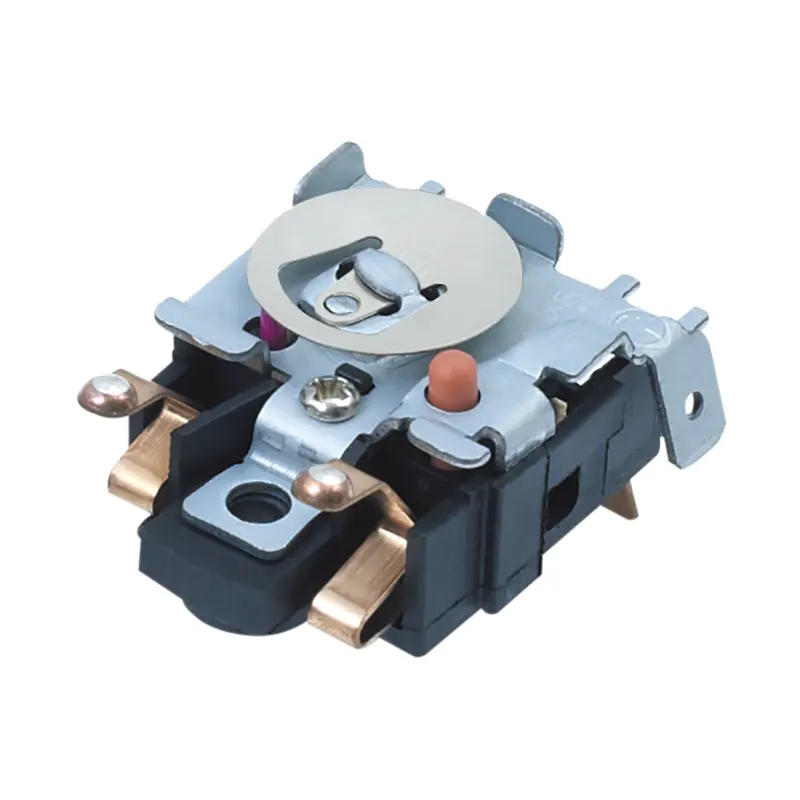
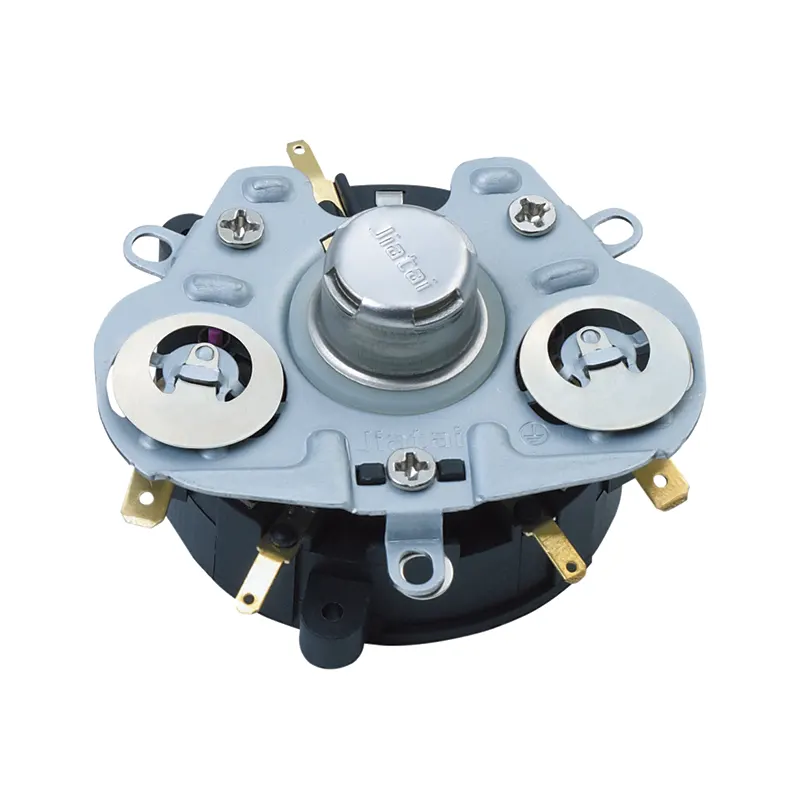
The electrical iron thermostat produced by JIATAI is designed to meet the demanding requirements of modern household appliance applications. Through precise temperature sensing, durable materials, and strict manufacturing processes, JIATAI helps customers improve product performance and reliability.
Several advantages make JIATAI thermostat solutions suitable for electric iron applications:
- Accurate temperature regulation: JIATAI thermostats are designed to maintain stable temperature performance, helping electric irons achieve consistent heating results.
- Reliable operational durability: High-quality components and careful production processes help thermostats withstand repeated heating and cooling cycles.
- Safety-focused design: Proper circuit control helps prevent excessive temperatures and supports safer appliance operation.
- Flexible application options: Different product specifications can support various electric iron designs and customer requirements.
- Professional manufacturing experience: JIATAI provides technical support and product solutions for customers seeking dependable thermostat components.
For electric iron manufacturers, a thermostat is more than a simple switching component. It directly influences heating performance, user safety, and product reputation. Working with an experienced supplier helps ensure that every appliance delivers reliable performance in daily use.
Key Considerations for Electric Iron Manufacturers
When developing or upgrading an electric iron product, manufacturers need to evaluate the complete heating control system rather than focusing only on the heating element. The thermostat must work effectively with other internal components to achieve balanced performance.
| Consideration | Why It Matters |
|---|---|
| Temperature range | Different fabrics require different heat levels, so accurate adjustment is necessary. |
| Mechanical stability | Stable mechanical operation ensures consistent switching performance over time. |
| Electrical compatibility | The thermostat should match the appliance voltage, current, and power requirements. |
| Heat resistance | High-temperature environments require durable materials and reliable construction. |
| Quality inspection | Strict testing helps reduce product defects and improves customer satisfaction. |
A carefully selected thermostat allows manufacturers to create electric irons that perform well under different usage conditions. It also helps reduce after-sales problems caused by unstable heating or premature component failure.
How Does an Electrical Iron Thermostat Improve Energy Efficiency?
Energy efficiency has become an important consideration for household appliances. An electric iron that continuously consumes power without proper temperature control wastes electricity and may shorten component life.
An electrical iron thermostat improves energy efficiency by controlling the heating cycle automatically. Instead of allowing the heating element to operate continuously, the thermostat switches power on and off according to actual temperature conditions.
This temperature regulation process provides several benefits:
- Reduces unnecessary electrical consumption.
- Maintains the required working temperature more effectively.
- Prevents excessive heat generation.
- Improves overall appliance efficiency.
- Helps extend heating element service life.
For users, this means a safer and more economical ironing experience. For manufacturers, efficient thermal control contributes to better product competitiveness in the appliance market.
Maintenance Tips for Electric Iron Thermostat Performance
Although the thermostat is designed for long-term operation, proper appliance maintenance can help maintain stable performance and reduce unnecessary failures.
- Avoid excessive overheating: Do not leave the iron powered on for extended periods without use.
- Keep the soleplate clean: Dirt or residue may affect heat transfer and temperature sensing accuracy.
- Use correct temperature settings: Selecting suitable heat levels reduces stress on thermostat components.
- Inspect electrical connections: Loose or damaged connections may affect thermostat operation.
- Choose reliable replacement components: Using high-quality thermostat products helps maintain appliance safety.
For appliance manufacturers, regular quality testing and component evaluation are essential steps to ensure thermostat reliability throughout the product lifecycle.
Future Development Trends of Electrical Iron Thermostat Technology
As household appliances continue to develop, temperature control technology is also improving. Modern electric irons require more precise, reliable, and efficient thermal management solutions.
Future thermostat development trends include:
- Higher temperature precision: Improved sensing technology will allow more accurate heat control.
- More compact designs: Smaller thermostat structures can support lightweight appliance designs.
- Improved durability: Advanced materials can increase resistance against repeated heating cycles.
- Enhanced safety functions: Additional protection features can further reduce overheating risks.
- Greater application flexibility: Thermostats will continue adapting to different appliance requirements.
With continuous innovation in temperature control technology, electrical iron thermostats will remain a key component in improving appliance safety, efficiency, and user experience.
Frequently Asked Questions About Electrical Iron Thermostats
1. What is the main function of an electrical iron thermostat?
The main function of an electrical iron thermostat is to control the heating temperature automatically. It monitors temperature changes and switches the electrical circuit on or off to maintain a suitable heat level.
2. Why does an electric iron need a thermostat?
An electric iron needs a thermostat to prevent overheating, protect fabrics, improve safety, and maintain stable ironing performance. Without a thermostat, the heating element may continue increasing temperature and create potential risks.
3. How long can an electrical iron thermostat last?
The service life depends on product quality, operating conditions, and usage frequency. A well-designed thermostat made with durable materials can provide reliable performance through many heating cycles.
4. Can an electrical iron thermostat be customized?
Yes. Many thermostat manufacturers provide customized solutions based on temperature range, electrical specifications, structural requirements, and application needs.
5. What causes an electrical iron thermostat to fail?
Common causes include mechanical wear, electrical contact damage, excessive heat exposure, poor-quality materials, or incorrect matching between thermostat specifications and appliance requirements.
6. How can manufacturers select a reliable thermostat supplier?
Manufacturers should evaluate supplier experience, product quality, manufacturing capability, technical support, and testing standards. A professional supplier can provide more stable components and long-term cooperation support.
Conclusion
An electrical iron thermostat plays a critical role in controlling temperature, improving safety, and enhancing appliance performance. Although it is a small internal component, its quality directly affects the reliability and user experience of electric irons.
From accurate temperature regulation to energy efficiency improvement, a dependable thermostat helps manufacturers create better products and helps users achieve safer ironing results. JIATAI provides professional thermostat solutions designed for stable operation, durability, and precise temperature control.
If you are looking for a reliable electrical iron thermostat solution with professional manufacturing support and customized options, please contact us today to discuss your requirements with JIATAI.
Related News
- How Can a 5 Pins NTC Elecgtronic Thermostat Improve Temperature Control and Safety in Modern Kettles
- What Causes an Electric Kettle Thermostat to Fail?
- How Can a LOSO Type Electrical Kettle Controller Improve Kettle Safety and Heating Reliability
- Why Is Dry-Boil Protection Important in an Electric Kettle?
- Why Is a Bottom Pumping Thermostat Essential for Reliable and Efficient Temperature Control
- How Does a 5-Pole Electric Kettle Thermostat Differ From a 3-Pole Design?
Leave me a message