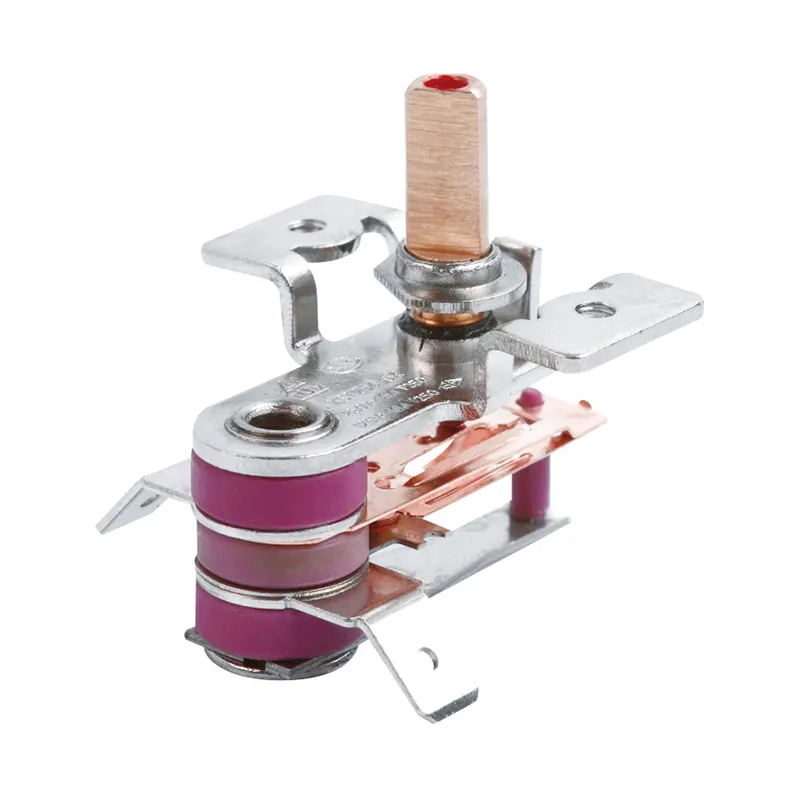
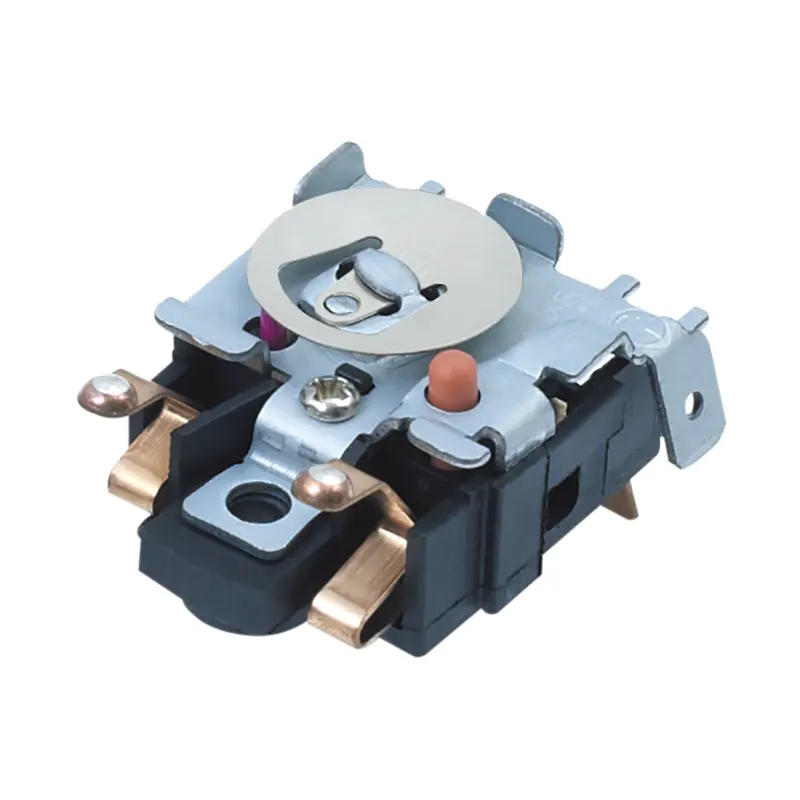
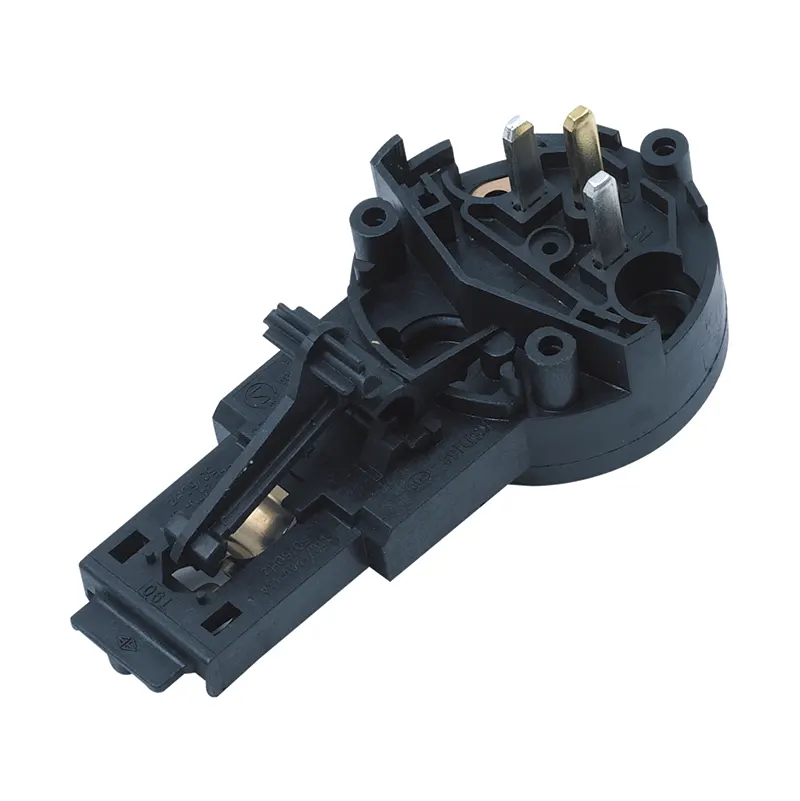
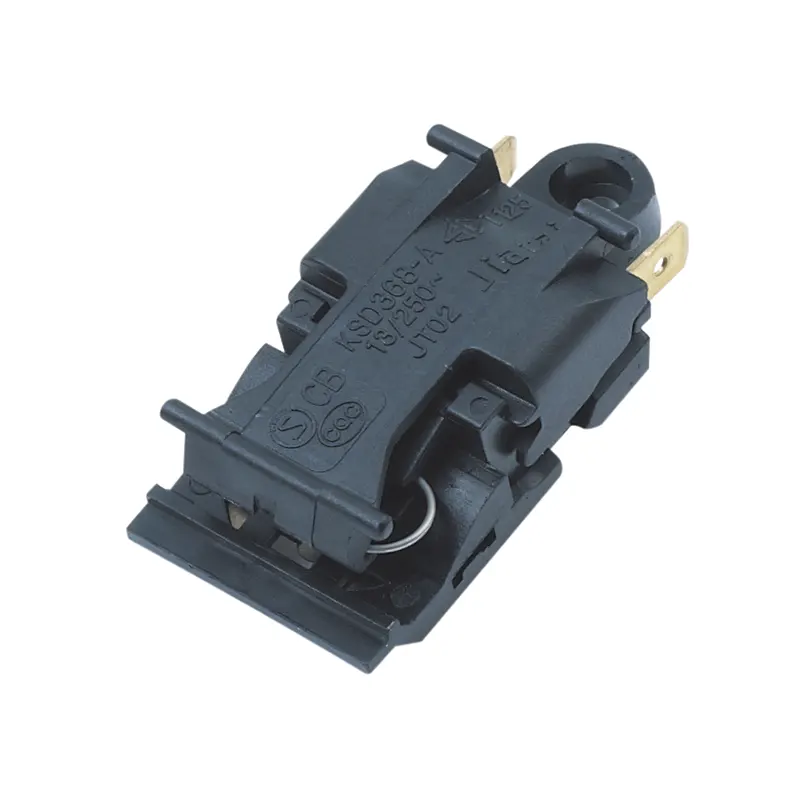
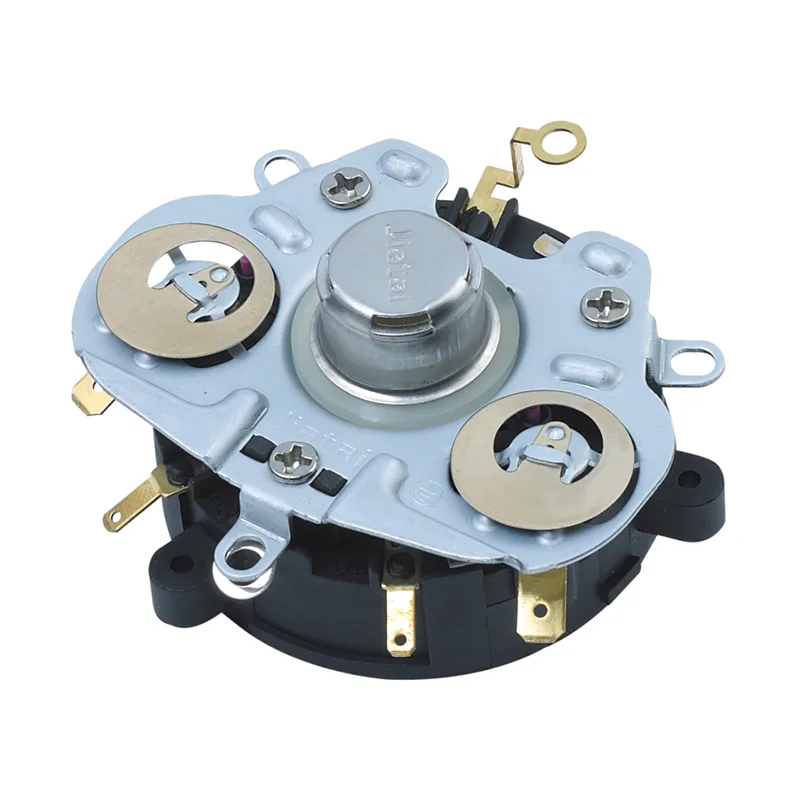
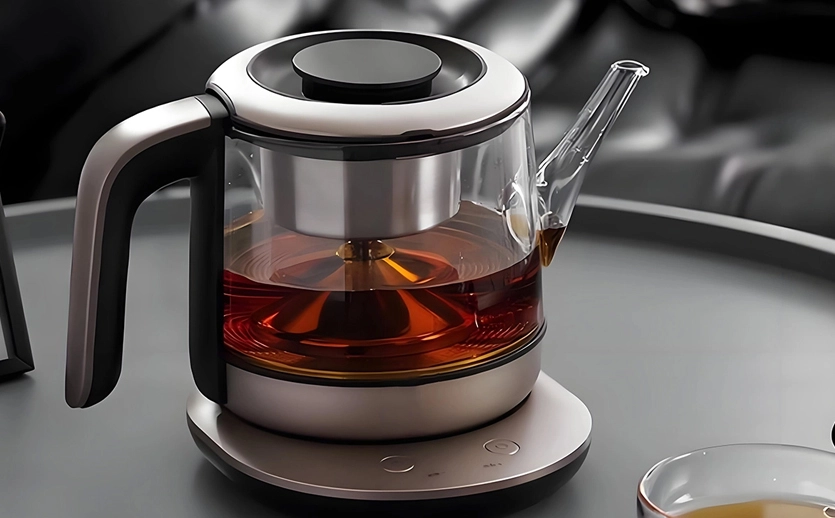
Electric kettles look simple from the outside, but reliable temperature control depends on several small components working together. Among them, the electric kettle thermostat plays a central role. It determines when the heating process should stop and helps prevent the appliance from continuing to heat after the water reaches boiling conditions.
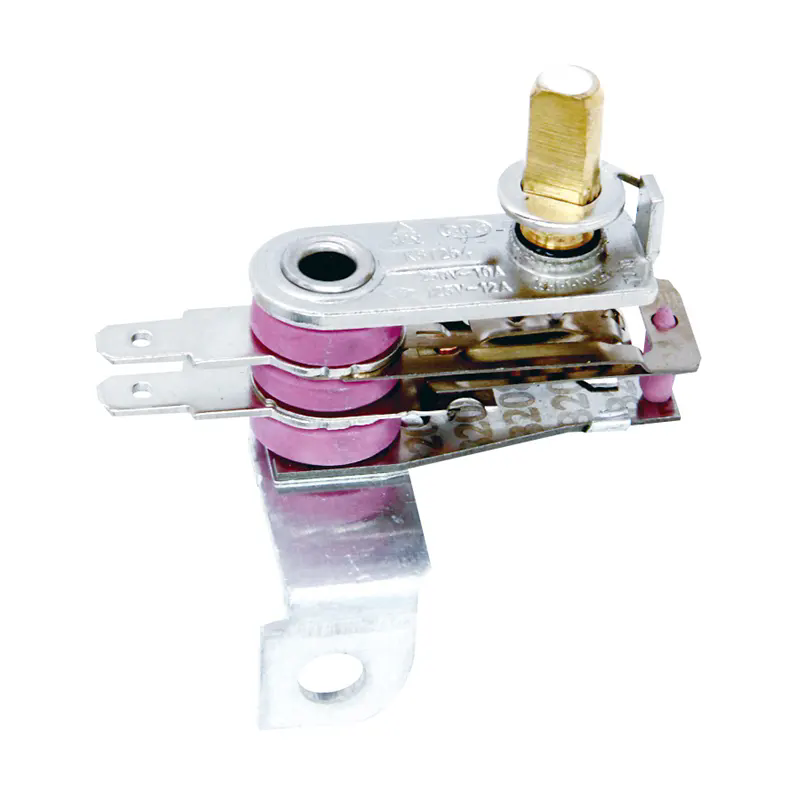
A typical kettle thermostat works through a temperature-sensitive mechanism. As the water heats, steam and temperature changes are transferred to the sensing mechanism inside the thermostat. Once the designed operating condition is reached, the internal mechanism changes position and separates the electrical contacts. The heating circuit is then interrupted.
This process happens automatically, without requiring the user to switch off the kettle manually.
Why Is Automatic Shut-Off Important?
The main purpose of automatic shut-off is not simply convenience. It also helps reduce unnecessary heating and provides an additional layer of protection during normal operation.
If a kettle continued heating after the water had boiled, the heating element would remain energized unnecessarily. A properly selected thermostat helps prevent this situation by opening the circuit at the appropriate point.
For manufacturers, the consistency of this switching action is important. A thermostat should respond repeatedly under similar operating conditions instead of producing significantly different cut-off behavior from one cycle to another.
The Importance of Correct Thermostat Selection
The thermostat cannot be selected according to current rating alone. Engineers normally need to consider:
· Supply voltage
· Heater power
· Rated current
· Pole configuration
· Temperature response
· Mounting structure
· Terminal arrangement
· Kettle base design
· Required safety functions
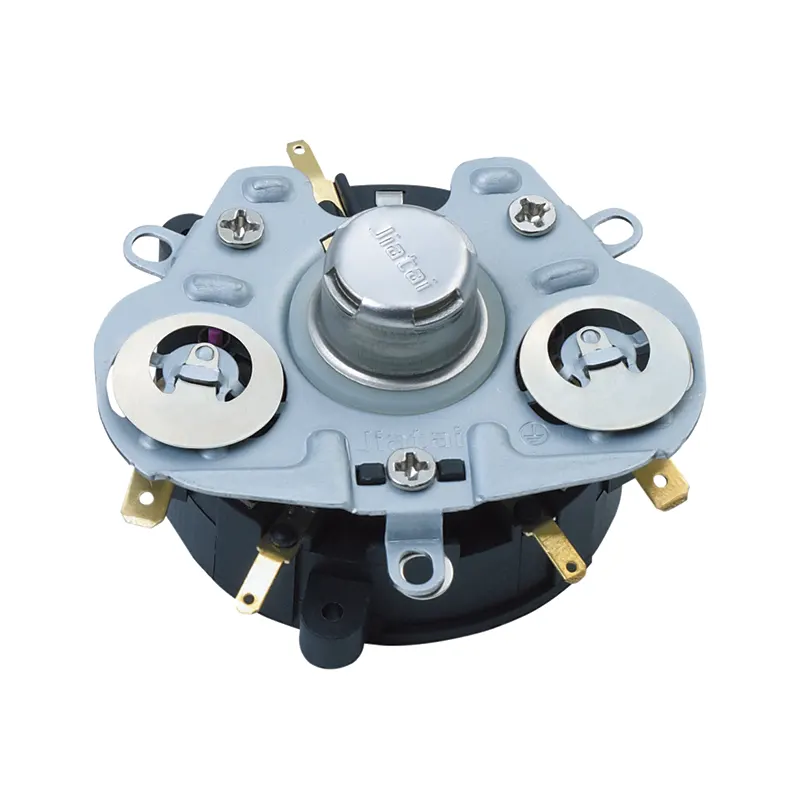
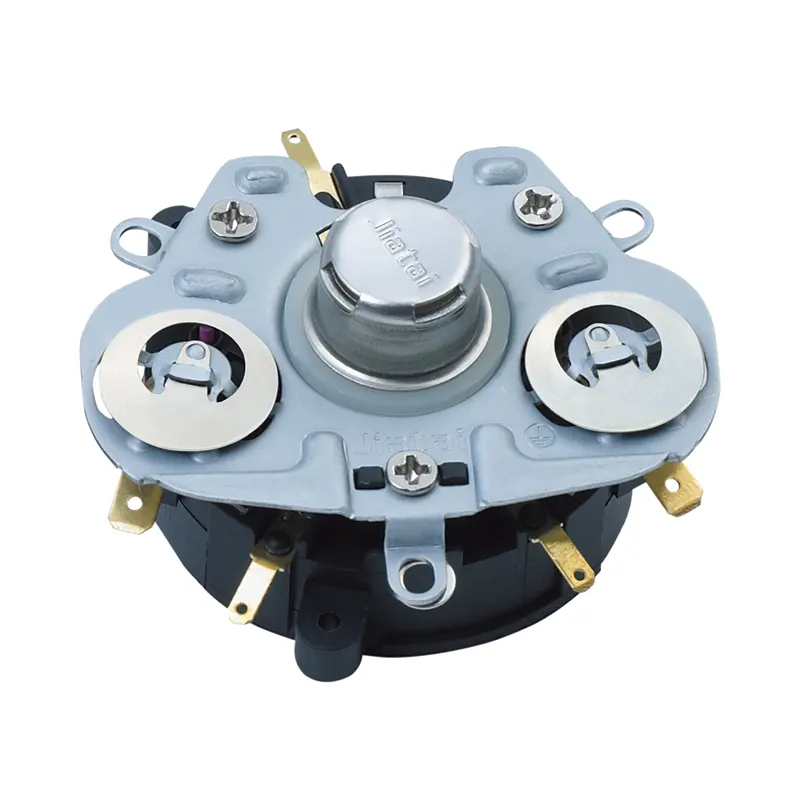
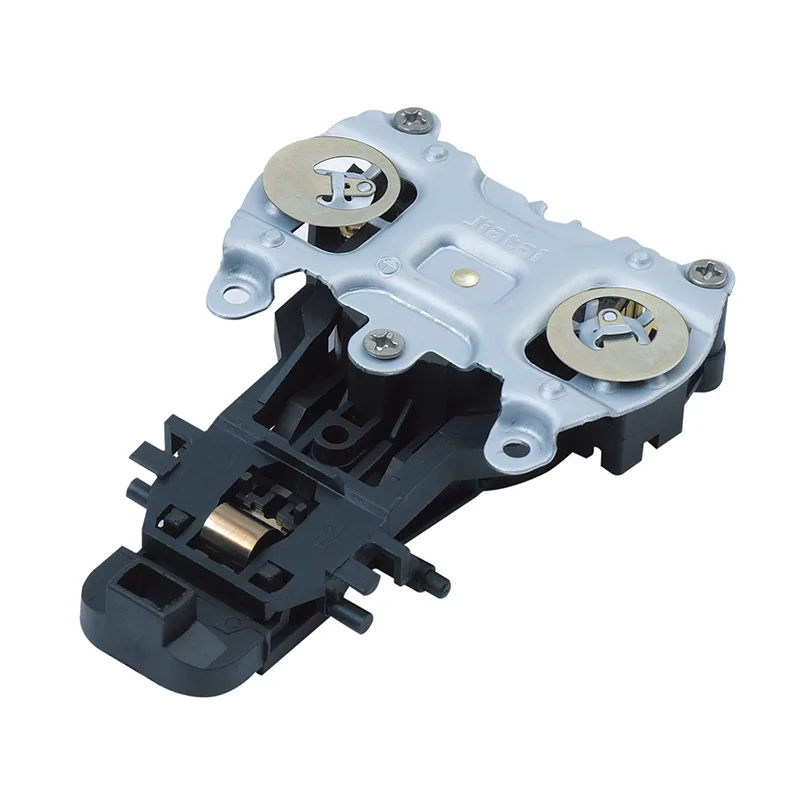
Jiatai's electric kettle thermostat range includes 3-pole and 5-pole designs as well as models developed for different kettle control requirements. The company also offers 360° rotating kettle control solutions for cordless appliance designs.
A Small Component With a Direct Effect on Product Performance
For an electric kettle manufacturer, thermostat quality can influence the entire user experience. A stable thermostat contributes to consistent boiling, dependable shut-off and repeatable operation.
That is why thermostat selection should begin during the appliance design stage rather than after the kettle structure has already been finalized.
For OEM projects, providing the heater power, operating voltage, required functions and mechanical drawings to the thermostat manufacturer at an early stage can make product matching much easier.
We use cookies to offer you a better browsing experience, analyze site traffic and personalize content. By using this site, you agree to our use of cookies. Privacy Policy