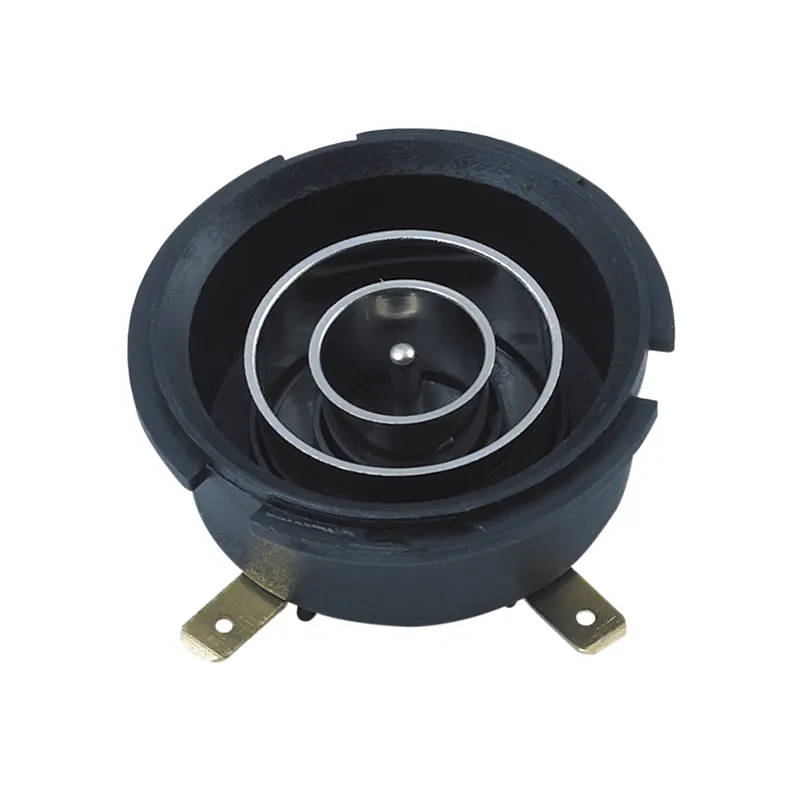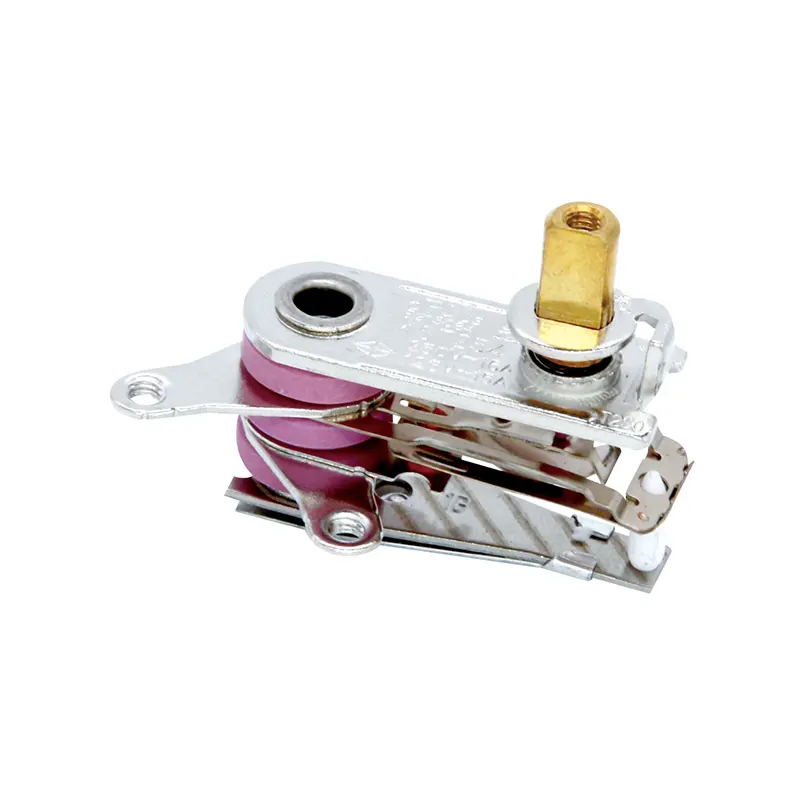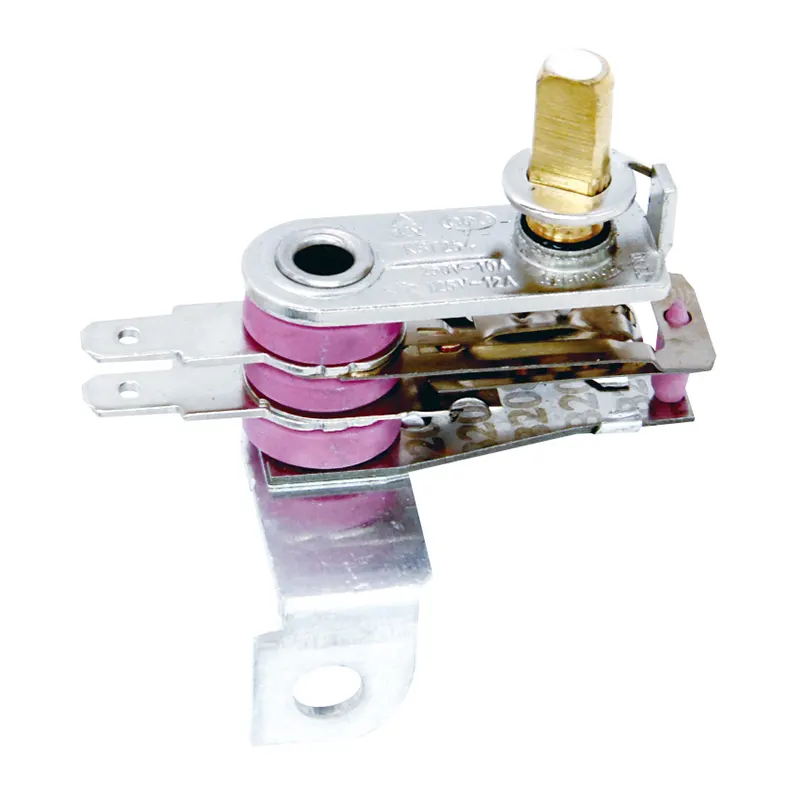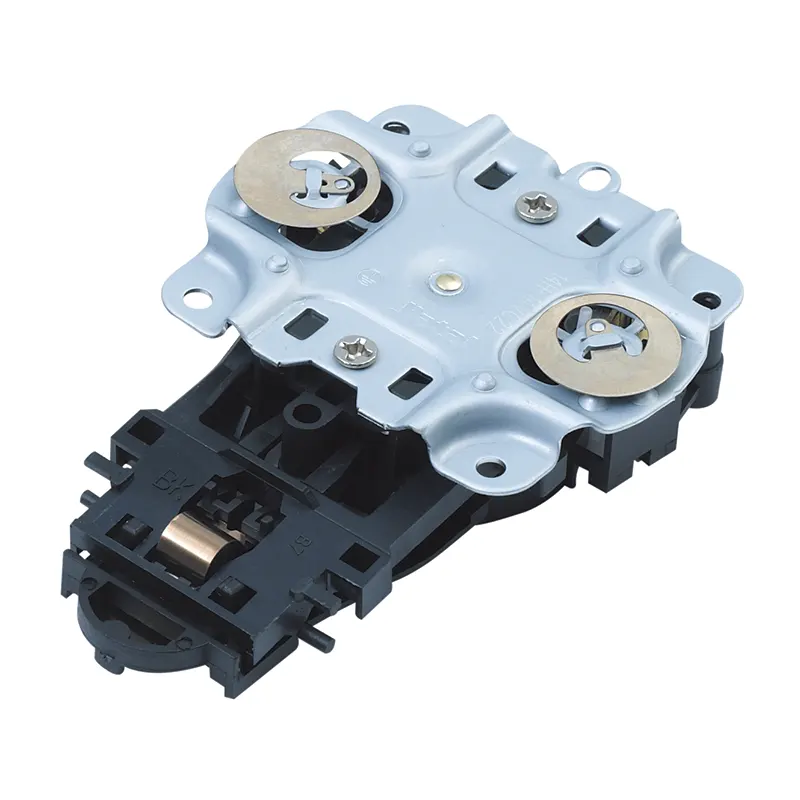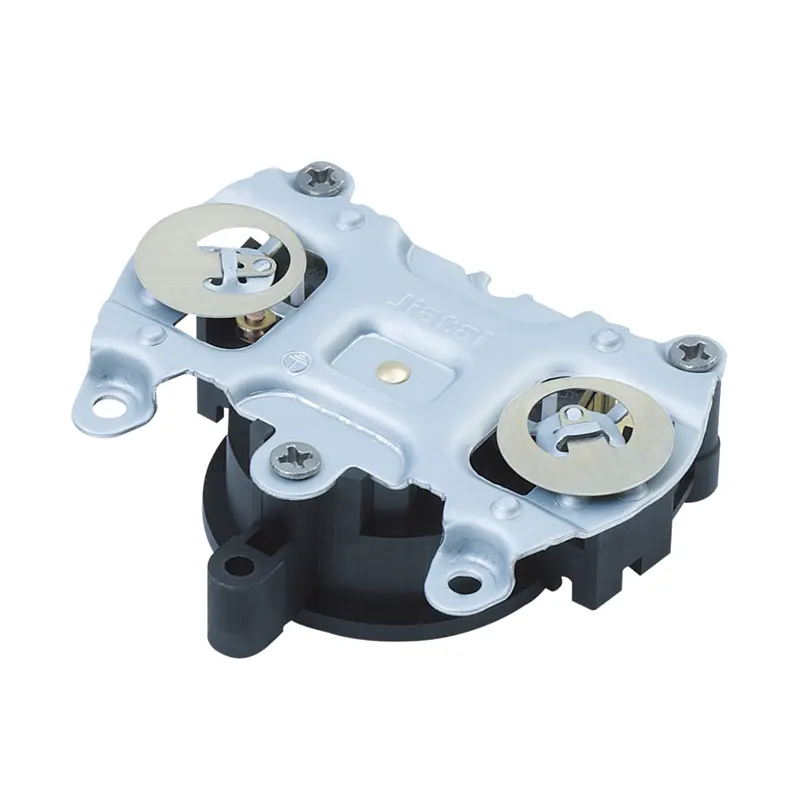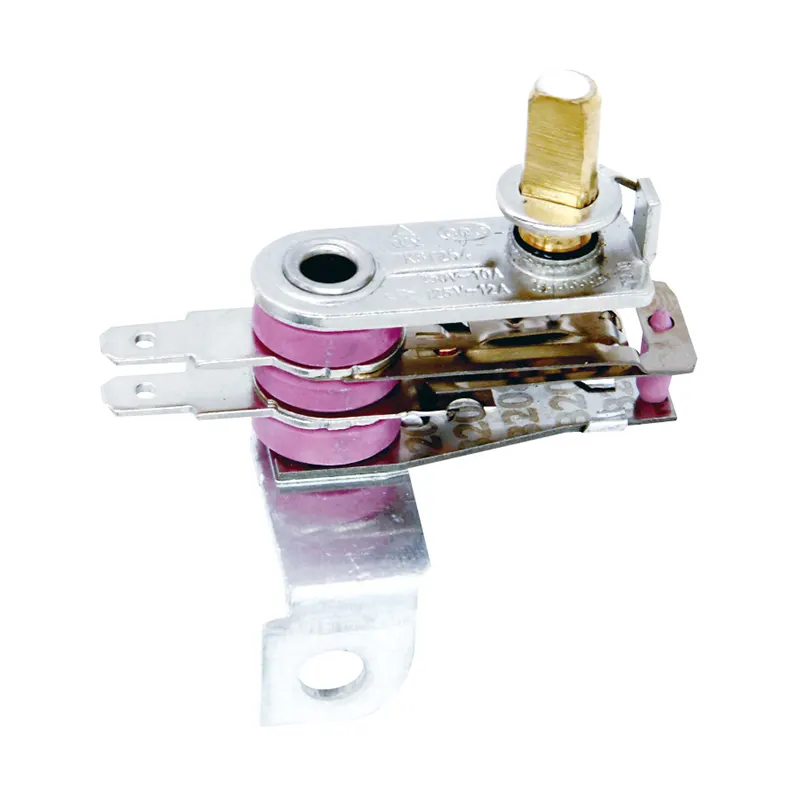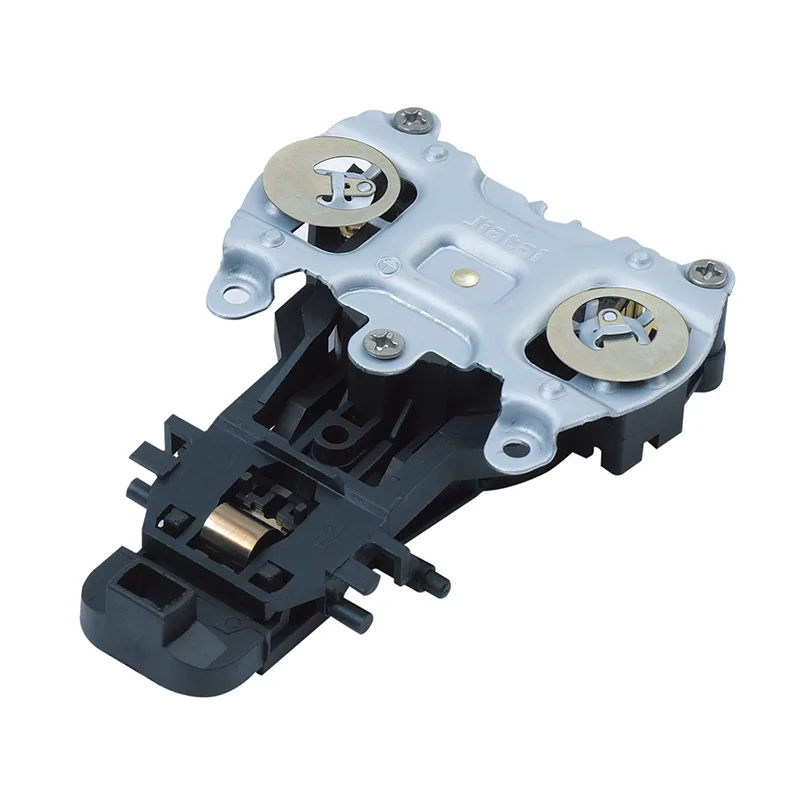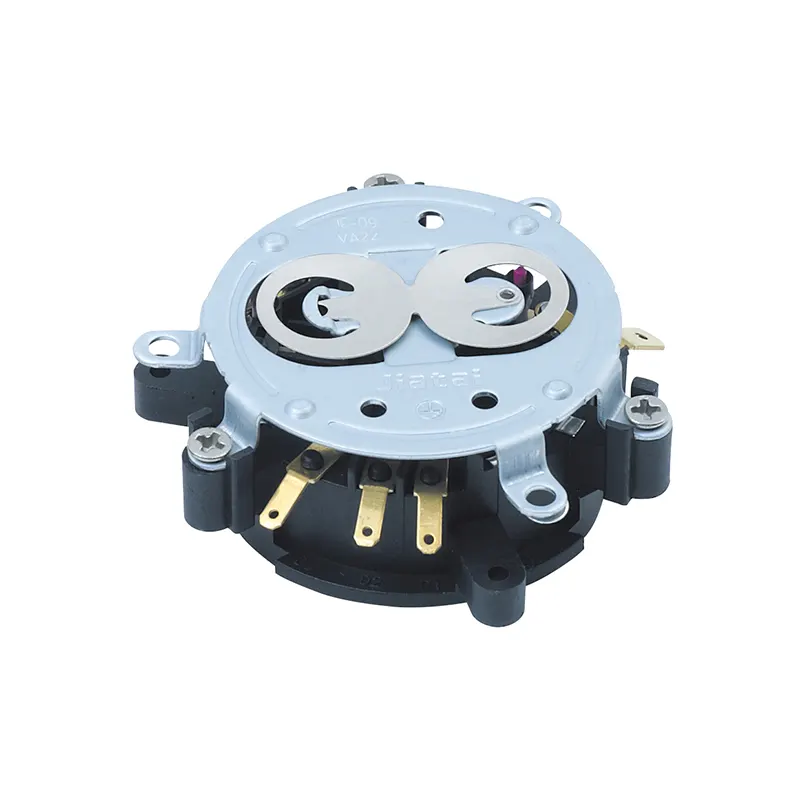

For electric kettle manufacturers, choosing the right temperature control component directly affects heating reliability, automatic shut-off performance, and long-term appliance safety. JIATAI develops the LOSO Type Electrical Kettle Controller for OEM and bulk-production applications, combining a three-pole structure, temperature sensing, stable electrical switching, and an operating life of up to 10,000 cycles.
A reliable kettle controller is essential for managing the heating and power interruption process inside an electric kettle. The LOSO Type Electrical Kettle Controller is designed for manufacturers that need stable switching performance, automatic temperature response, compact integration, and repeatable operation. The model supports different electrical ratings, including 250V~10A and 250V~13A configurations, with a maximum ambient temperature of T125 and a temperature tolerance of ±5°C. It can be used in electric kettles, tea makers, coffee machines, hot water appliances, and other small household heating equipment. With more than 40 years of temperature-control experience, JIATAI also supports OEM customization according to drawings, samples, and application requirements.
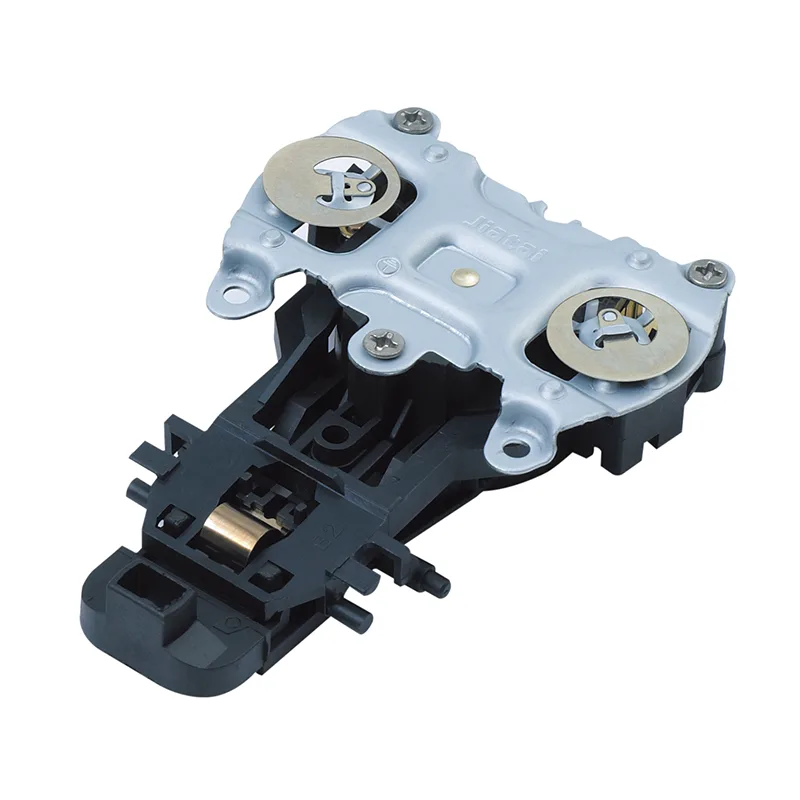
Table of Contents
- What Role Does a Kettle Controller Play?
- What Are the Key Features of the LOSO Type Controller?
- What Are the Main Technical Specifications?
- How Does the Temperature Control Process Work?
- Where Can This Controller Be Used?
- What Should Manufacturers Check Before Purchasing?
- Why Consider JIATAI for OEM Kettle Controller Supply?
- Frequently Asked Questions
- Need a Reliable Kettle Controller Supplier?
What Role Does a Kettle Controller Play?
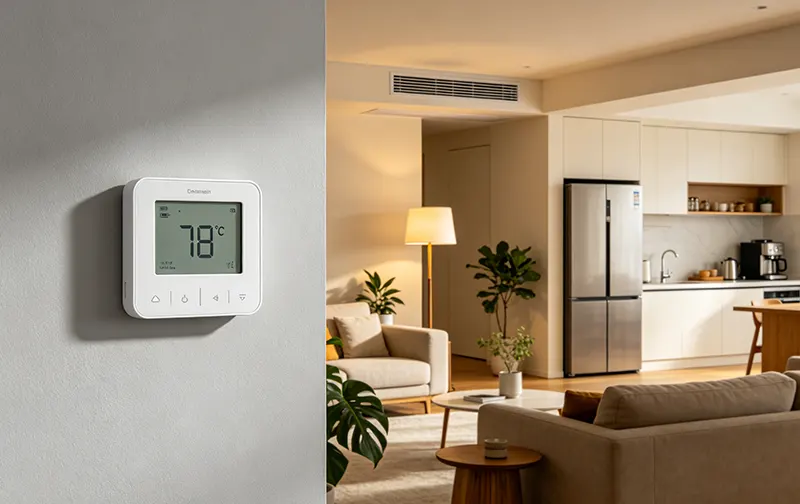
An electric kettle needs more than a heating element to operate safely. Once the water reaches the required temperature, the heating circuit needs to be interrupted reliably. A temperature controller provides the switching function that connects and disconnects electrical power according to temperature changes.
In a conventional electric kettle, temperature changes generated during boiling can activate a thermal mechanism. When the preset operating condition is reached, the mechanism changes the electrical contact state and interrupts the heating circuit. This basic principle helps prevent the heating element from continuing to operate unnecessarily after boiling.
For OEM manufacturers, the controller must also match the kettle's electrical rating, mechanical structure, terminal arrangement, installation position, and expected service life. A component that performs correctly in isolation may still be unsuitable if its electrical or mechanical specifications do not match the finished appliance.
Why Temperature Control Matters
- Helps provide automatic heating interruption.
- Supports consistent boiling operation.
- Reduces unnecessary continuous heating.
- Supports safer operation of household heating appliances.
- Provides repeatable switching performance during daily use.
What Are the Key Features of the LOSO Type Controller?
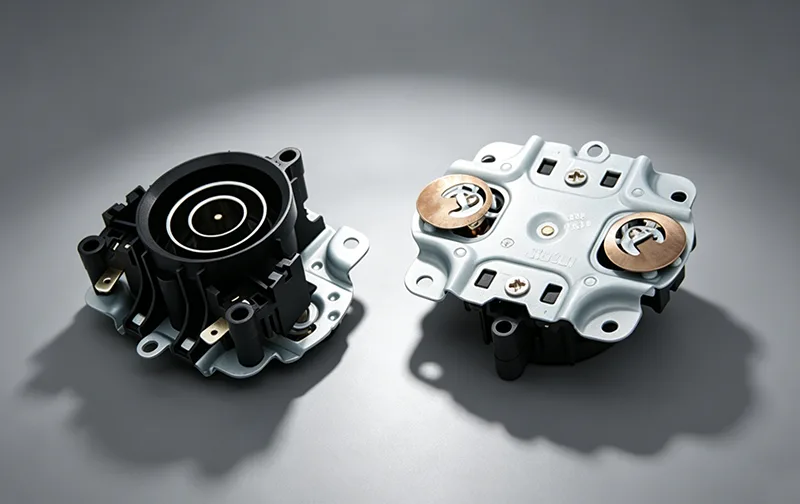
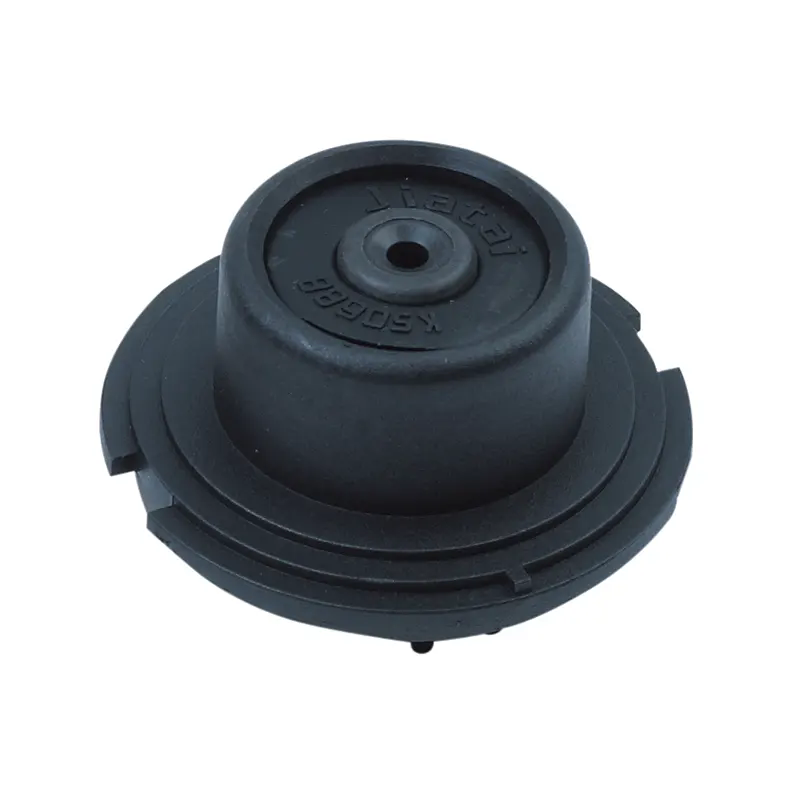
The LOSO design combines a compact mechanical structure with temperature sensing and three-pole electrical control. According to the product specifications, it is intended for repeated operation in household heating equipment and can be supplied for different market requirements.
Three-Pole Electrical Structure
The three-pole configuration provides a stable electrical connection and switching structure. This makes the controller suitable for kettle designs where dependable circuit control is required during repeated heating cycles.
Automatic Temperature Response
The integrated thermal mechanism responds to temperature changes during the boiling process. When the required temperature condition is reached, the controller can interrupt the heating circuit, helping the appliance transition from active heating to a safer non-heating state.
Up to 10,000 Operating Cycles
The specified operating life reaches up to 10,000 cycles. For appliance manufacturers, cycle life is an important consideration because a kettle may be operated repeatedly over its service period. Consistent switching behavior therefore needs to be considered alongside initial component cost.
Compact Integration
Space is often limited inside small household appliances. The compact controller structure allows manufacturers to integrate the component into different kettle assemblies while maintaining practical installation requirements.
Compliance Options
Depending on the model and target market, available compliance options include CQC, CB, TUV, ETL, and RoHS. Manufacturers should confirm the exact certification configuration required for their destination market before placing a production order.
What Are the Main Technical Specifications?
Technical compatibility should always be verified before integrating a kettle controller into a production design. The following specifications summarize the published parameters for the LOSO type series.
| Parameter | Specification |
|---|---|
| Product Type | LOSO Type Electrical Kettle Controller |
| Pole Configuration | Three poles |
| Model / Rating | KSD568-DKT2A: 250V~10A |
| Alternative Rating | KSD568-DT2A: 250V~13A; 125V~13A |
| Maximum Ambient Temperature | T125 |
| Temperature Tolerance | ±5°C |
| Operating Life | Up to 10,000 cycles |
| Hi-Pot Test | 2200V AC for 1 minute |
| Color | Black |
| Available Compliance Options | CQC, CB, TUV, ETL, RoHS |
These specifications provide a useful starting point for product selection, but OEM buyers should compare them with the complete electrical schematic and mechanical requirements of the finished kettle.
How Does the Temperature Control Process Work?
The operating process can be understood as a coordinated sequence between heating, temperature sensing, and electrical switching.
- Power connection: The kettle is switched on and electrical power is supplied to the heating system.
- Water heating: The heating element increases the water temperature during normal operation.
- Temperature detection: The thermal control mechanism responds as the temperature rises toward its operating point.
- Circuit switching: When the required temperature condition is reached, the controller changes its electrical state.
- Heating interruption: The heating circuit is disconnected, helping prevent unnecessary continued heating.
This straightforward operating principle is particularly useful for household appliances because it combines automatic temperature response with mechanical electrical switching. The actual control behavior depends on the complete kettle design and should be verified through engineering testing.
Where Can This Controller Be Used?
The controller is designed for applications where temperature-dependent electrical switching is required. Its primary applications include household and small commercial heating appliances.
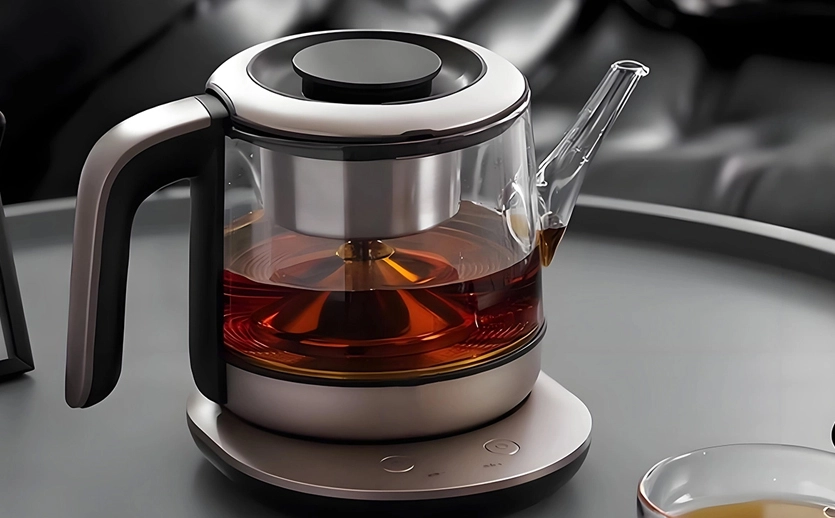
- Electric kettles: Supports automatic heating interruption during boiling.
- Tea makers: Provides thermal switching for beverage preparation equipment.
- Coffee machines: Can be considered for suitable heating-control designs.
- Hot water appliances: Suitable for equipment requiring temperature-based circuit control.
- Small household heating equipment: Useful where compact thermal switching is required.
For OEM projects, application compatibility should be evaluated according to voltage, current, temperature characteristics, mounting structure, terminal configuration, and the intended operating environment.
What Should Manufacturers Check Before Purchasing?
Selecting a kettle controller for mass production requires more than comparing the unit price. Procurement teams and engineers should review the following factors before approving a component.
1. Electrical Compatibility
Confirm the rated voltage and current against the heating element and electrical architecture of the kettle. For example, the published LOSO configurations include 250V~10A and 250V~13A options.
2. Temperature Characteristics
The controller's temperature tolerance and operating characteristics should match the intended kettle design. A difference in thermal behavior can affect boiling control and the overall user experience.
3. Mechanical Compatibility
Check the mounting position, terminal arrangement, available installation space, and connection structure. Mechanical compatibility should be confirmed before mass production rather than after the first production batch.
4. Durability Requirements
Operating life is especially important for appliances that are switched on and off frequently. The LOSO type controller is specified for up to 10,000 operating cycles, providing a measurable reference for durability evaluation.
5. Target-Market Requirements
Certification and compliance requirements vary by market. Buyers should identify the required certification configuration at the beginning of the product-development process and confirm documentation with the supplier.
6. OEM Engineering Support
Customization may be necessary when the standard configuration does not perfectly match an appliance. Suppliers capable of evaluating drawings, samples, and application requirements can reduce integration risks during product development.
Why Consider JIATAI for OEM Kettle Controller Supply?
JIATAI has focused on temperature-control technology since 1985 and has more than 40 years of industry experience. Its product range covers electric kettle thermostats, controllers, switches, connectors, couplers, and other thermal-control components for small household appliances.
For OEM buyers, the company's capabilities extend beyond supplying standard components. JIATAI states that it can develop kettle controllers according to customer drawings, physical samples, and application requirements. Its production process also includes electrical safety testing, temperature accuracy testing, and durability verification.
Production and Engineering Advantages
- More than 40 years of temperature-control experience.
- Support for OEM customization based on drawings or samples.
- Testing covering electrical safety, temperature accuracy, and durability.
- Production capability for large-volume appliance orders.
- Multiple compliance and certification options depending on product configuration.
- Experience serving electric kettle and small-appliance applications.
Buyers evaluating a kettle thermostat solution can also review related temperature-control products to identify the configuration that best matches their appliance structure.
Frequently Asked Questions
What is the function of a LOSO Type Electrical Kettle Controller?
It controls the electrical connection of an electric kettle by responding to temperature changes and interrupting the heating circuit when the preset operating condition is reached.
Is the LOSO controller suitable for OEM electric kettle production?
Yes. The controller is designed for electric kettle manufacturers and small-appliance brands, and JIATAI supports OEM customization according to product drawings, samples, and technical requirements.
How long can the controller operate?
The published operating life is up to 10,000 cycles. Actual service performance depends on the appliance design, operating conditions, electrical load, and application environment.
What electrical ratings are available?
Published configurations include KSD568-DKT2A at 250V~10A and KSD568-DT2A at 250V~13A, with the latter also listed at 125V~13A. The correct configuration should be selected according to the finished appliance's electrical requirements.
What certifications can be supplied?
Depending on the product configuration and destination market, certification or compliance options include CQC, CB, TUV, ETL, and RoHS. Buyers should confirm the exact documentation required for their project.
Can JIATAI customize the controller?
Yes. JIATAI can evaluate customer drawings, samples, and application requirements for OEM development. Engineering confirmation is recommended before mass production.
What should buyers provide when requesting a quotation?
Providing the required voltage, current, kettle type, installation structure, terminal requirements, target market, expected quantity, and any available drawings or samples can help the supplier evaluate the correct configuration and production requirements.
Need a Reliable Kettle Controller Supplier?
A suitable temperature controller can influence electrical switching reliability, automatic heating interruption, durability, and the overall safety design of an electric kettle. For manufacturers developing new kettle models or sourcing components for established production lines, the right controller should be evaluated from both technical and manufacturing perspectives.
JIATAI provides LOSO-type and other electric kettle temperature-control solutions for OEM and bulk-production applications, with engineering support, customization capabilities, and product testing. If you are looking for a suitable controller for your electric kettle, tea maker, coffee machine, or other heating appliance, contact us with your technical requirements, drawings, samples, or expected order quantity to discuss the appropriate solution and obtain a factory quotation.