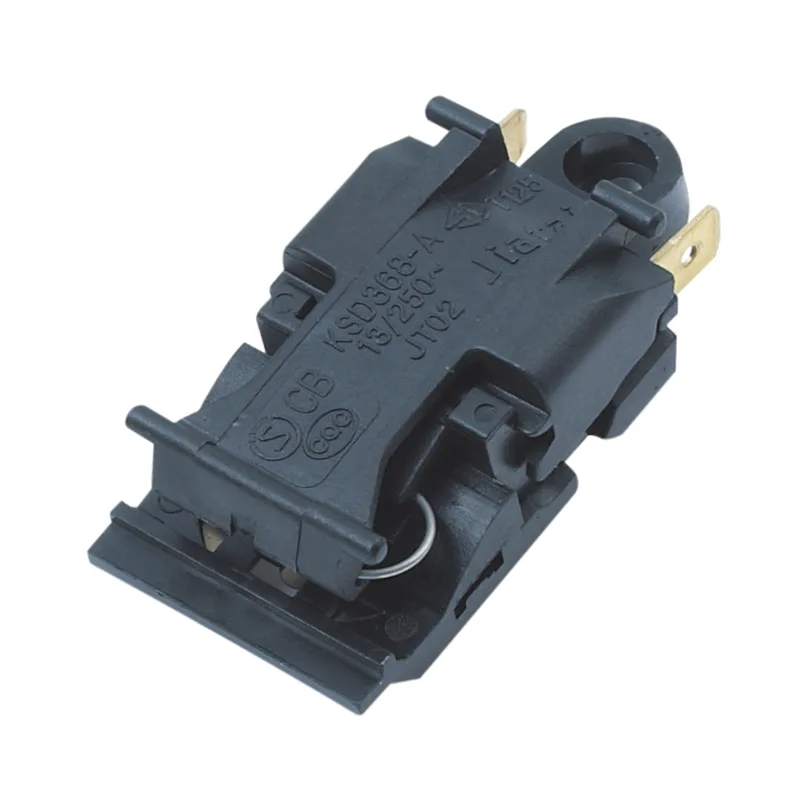
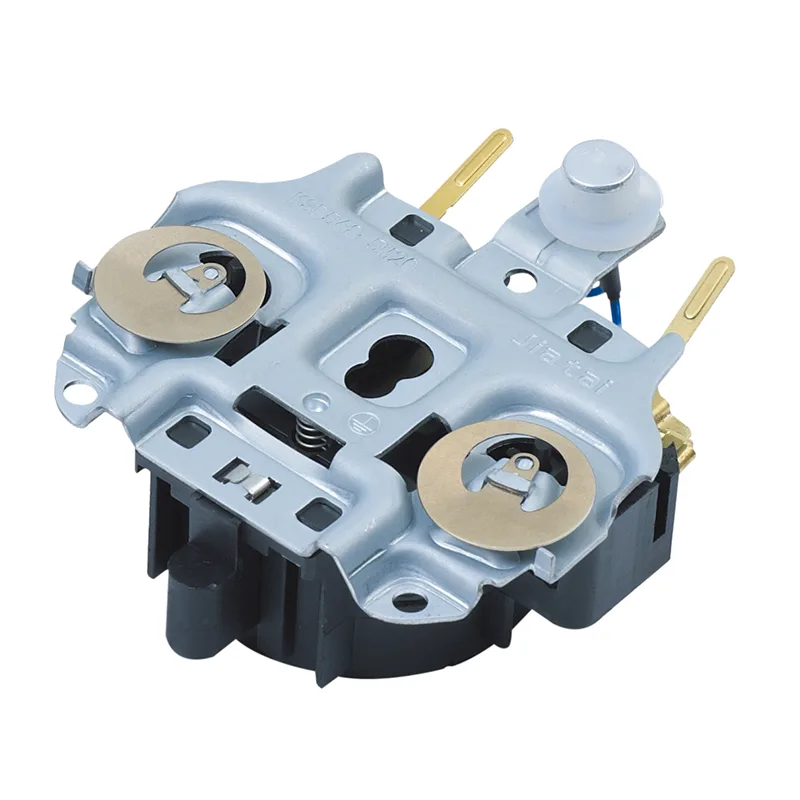
Bimetal and NTC temperature control technologies solve similar problems in very different ways.
A bimetal thermostat is fundamentally mechanical. An NTC device is based on an electrical resistance change.
How Does a Bimetal Thermostat Work?
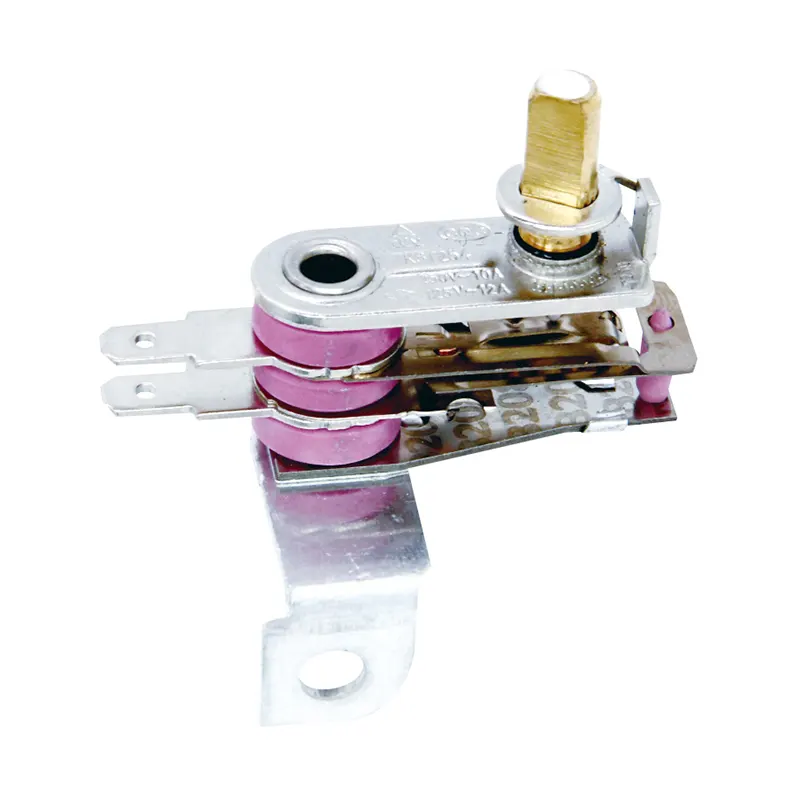
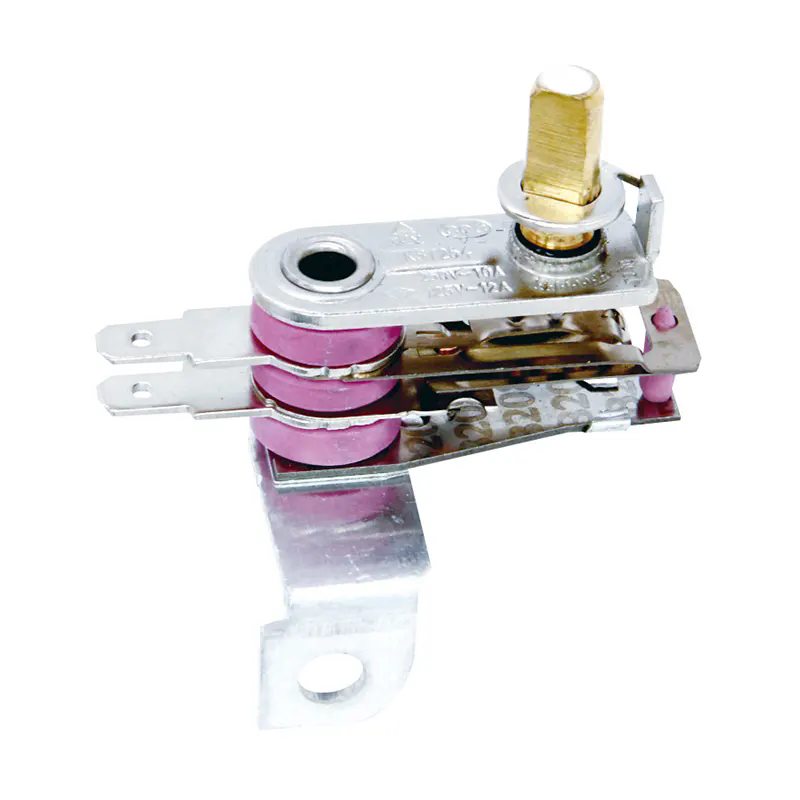
A bimetal element consists of two metals with different thermal expansion characteristics.
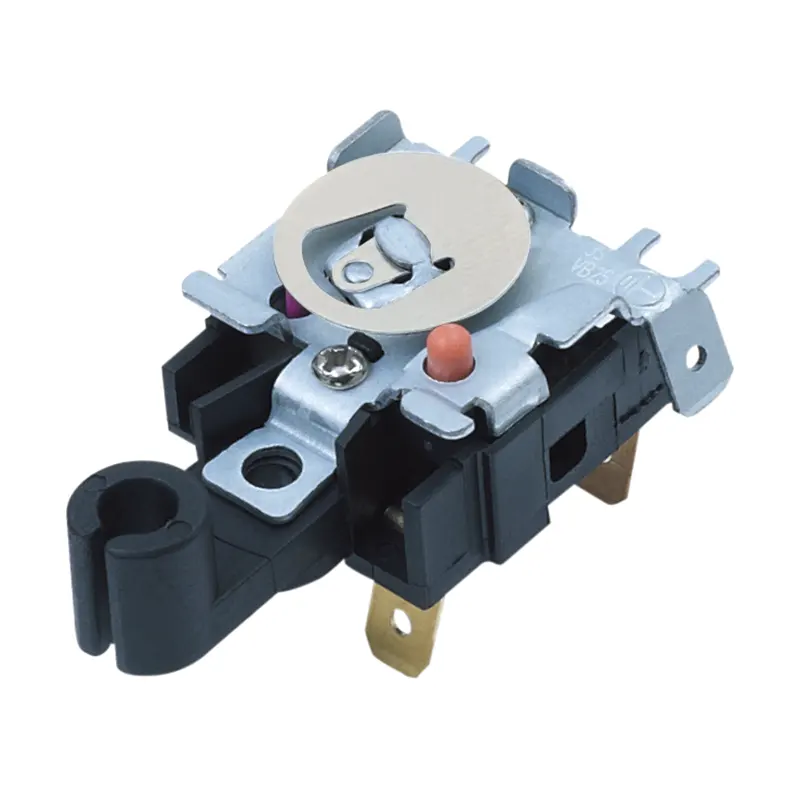
As temperature changes, the combined element bends or moves. This mechanical movement can operate electrical contacts.
The advantage is a relatively simple control structure without requiring a microcontroller.
How Does an NTC Thermistor Work?
NTC stands for Negative Temperature Coefficient.
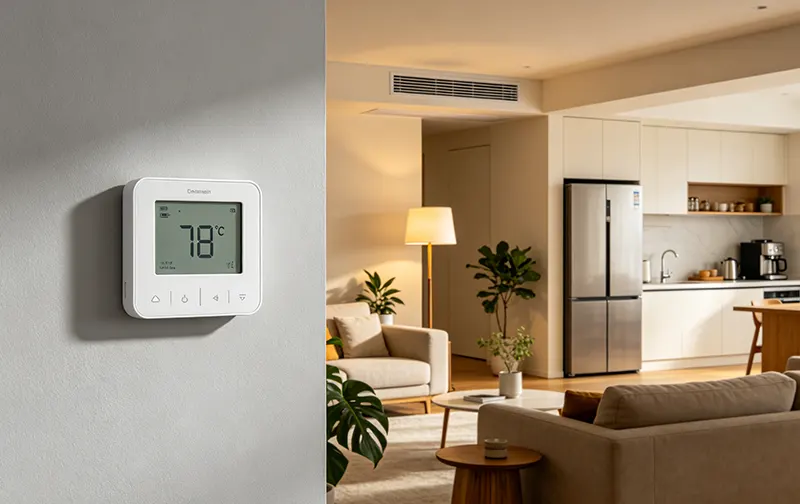
As temperature increases, the resistance of an NTC thermistor decreases. An electronic circuit can measure this change and use it to determine temperature.
This allows more flexible temperature control.
Which Is Better?
There is no universal winner.
A bimetal thermostat can be attractive when:
· Simple switching is required
· Cost is important
· Mechanical reliability is preferred
· The appliance has a straightforward control function
An NTC solution can be attractive when:
· More precise temperature feedback is required
· Multiple temperature modes are needed
· Electronic control already exists
· Keep-warm or intelligent temperature functions are required
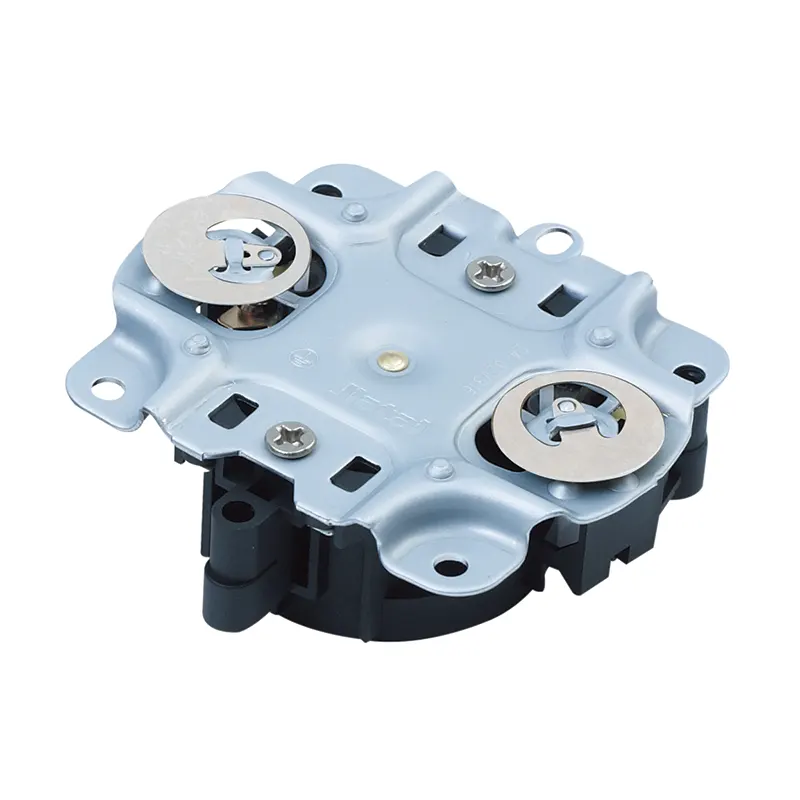
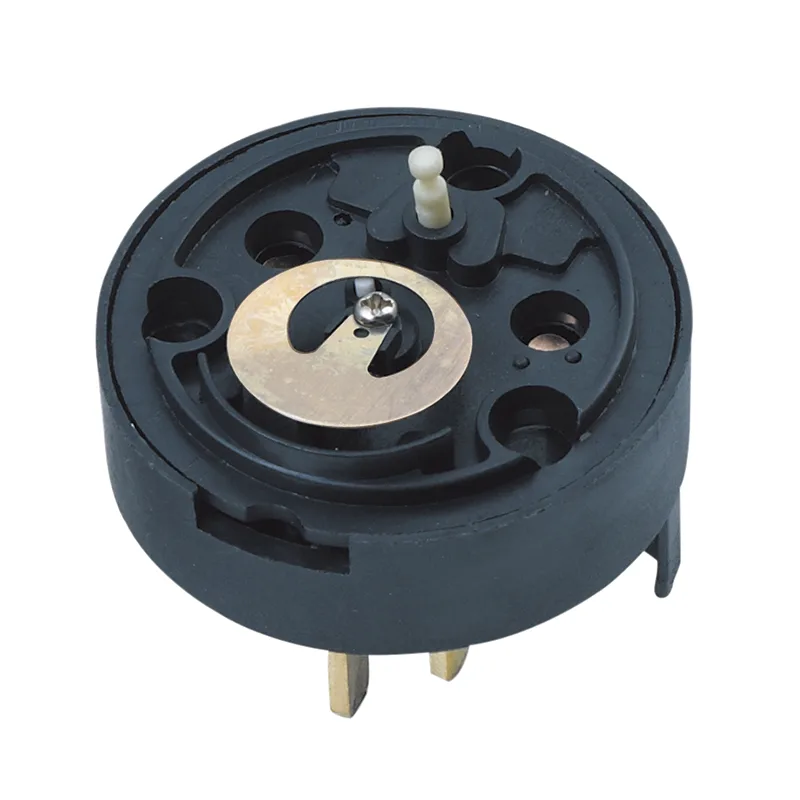
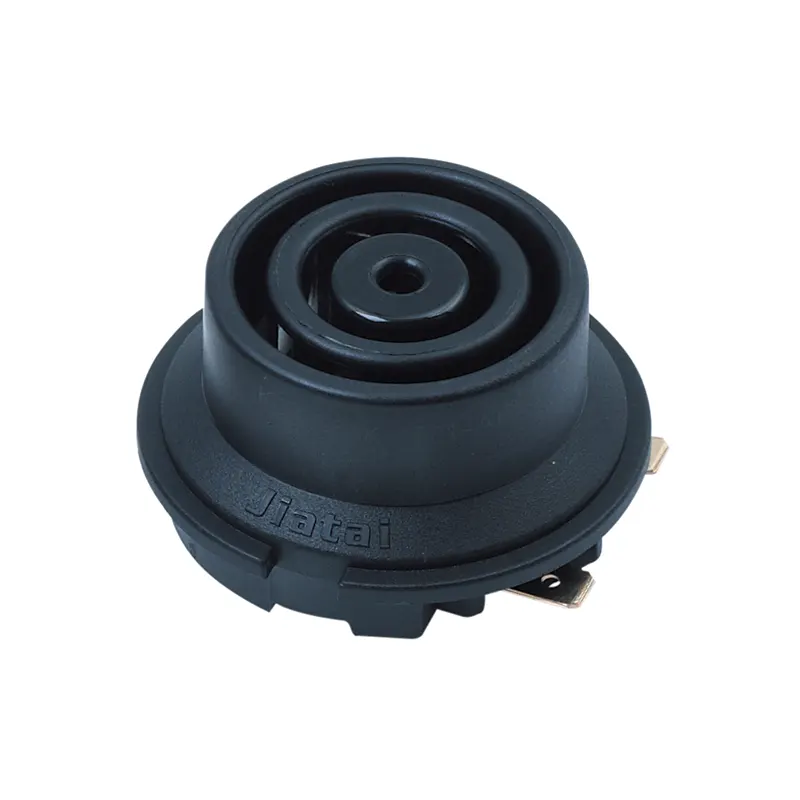
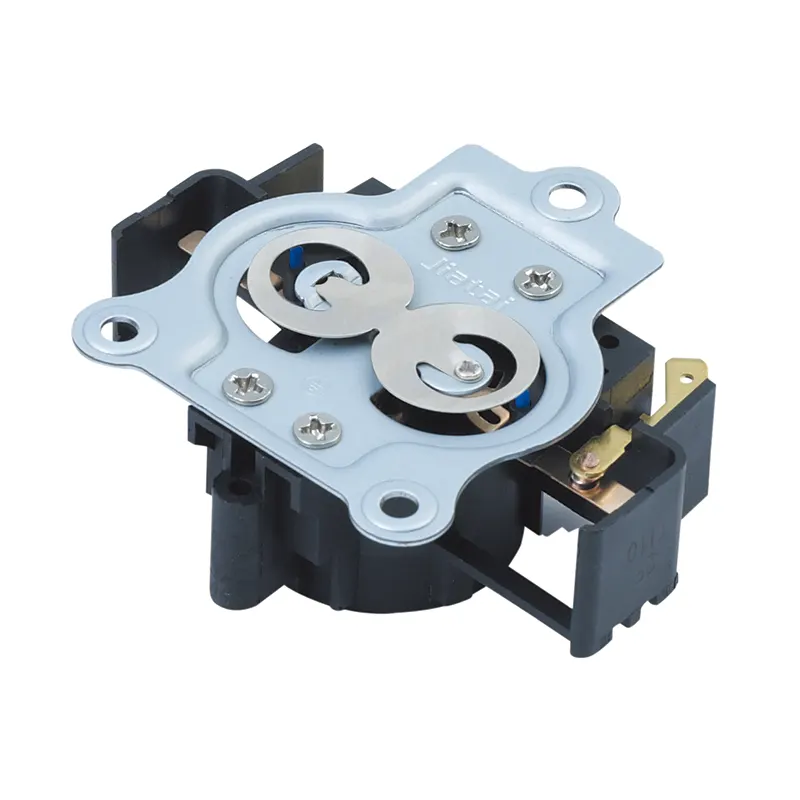
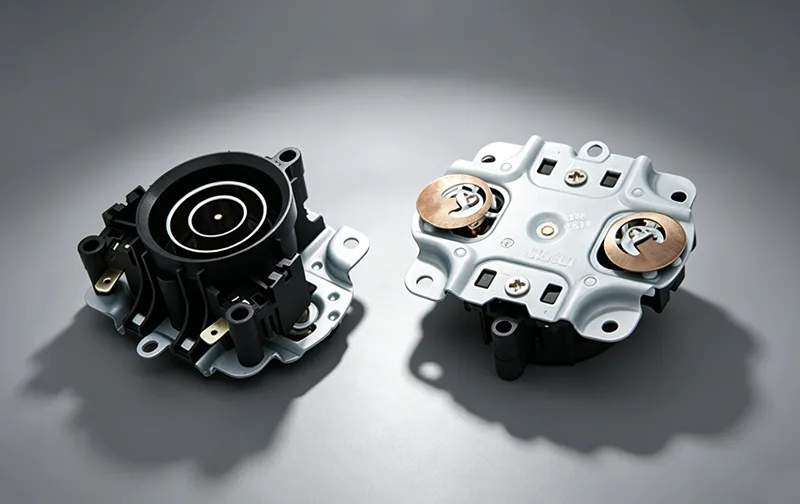
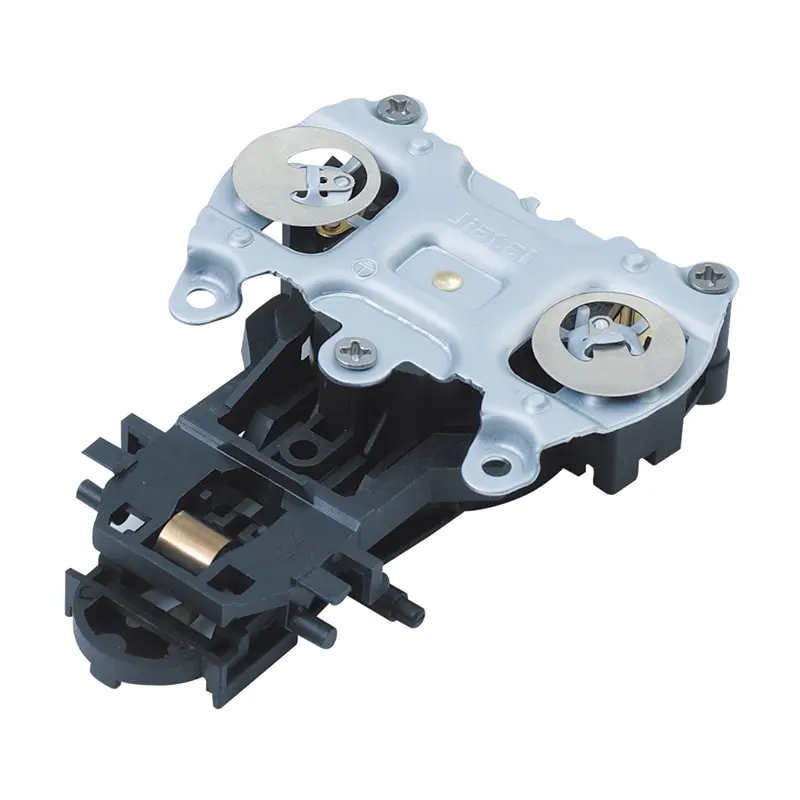
Jiatai's product range includes both conventional thermostat solutions and NTC-related products for multifunctional healthy pots and advanced kettle applications.
The right choice depends on the appliance architecture, target price, control requirements and development strategy.
We use cookies to offer you a better browsing experience, analyze site traffic and personalize content. By using this site, you agree to our use of cookies. Privacy Policy