
How Can an Electrical Kettle Connector Improve Power Transmission, Safety, and Appliance Reliability
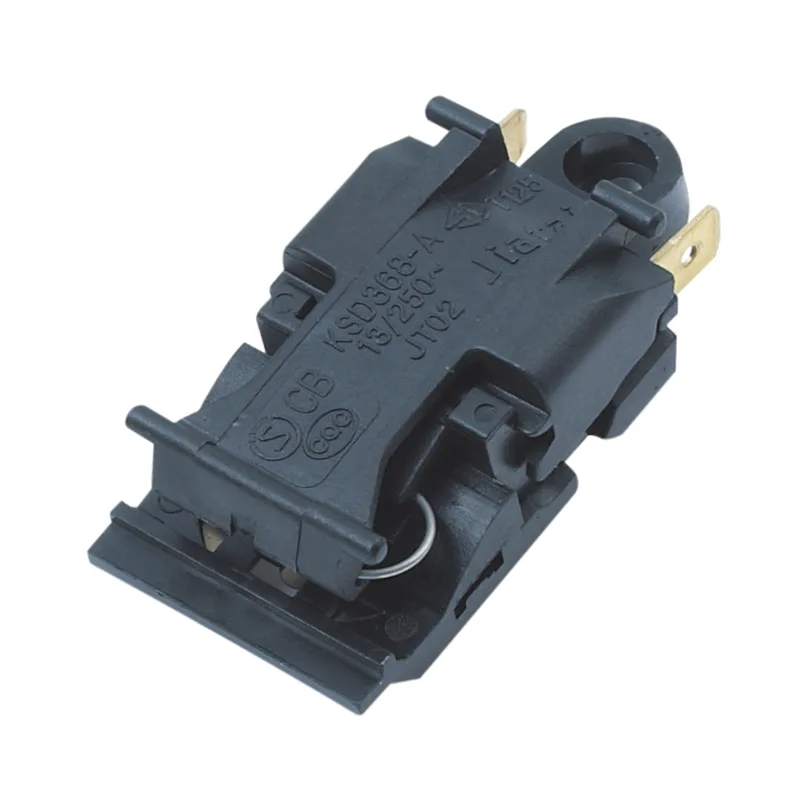
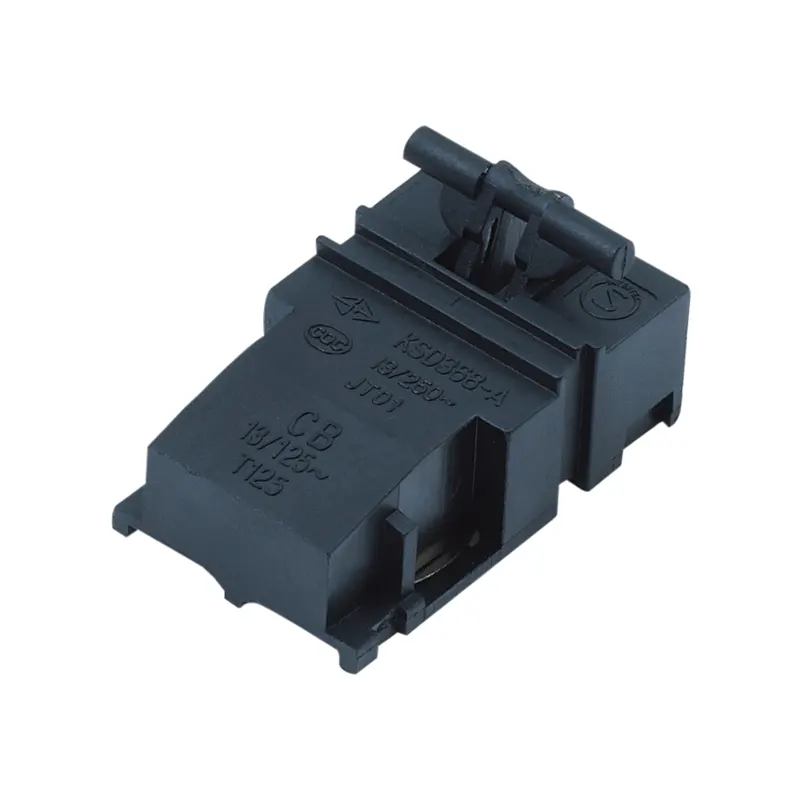
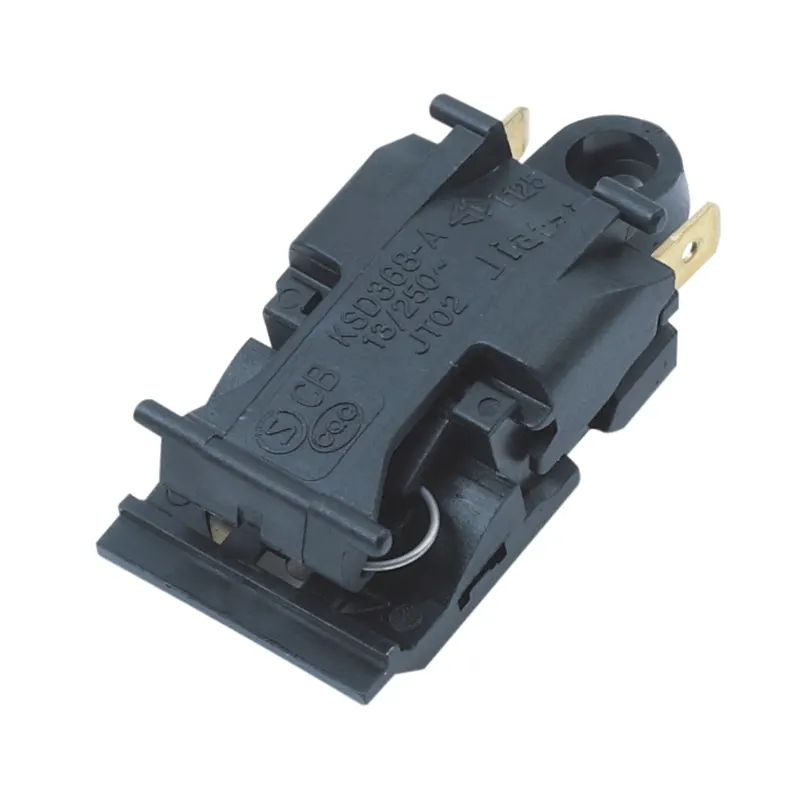
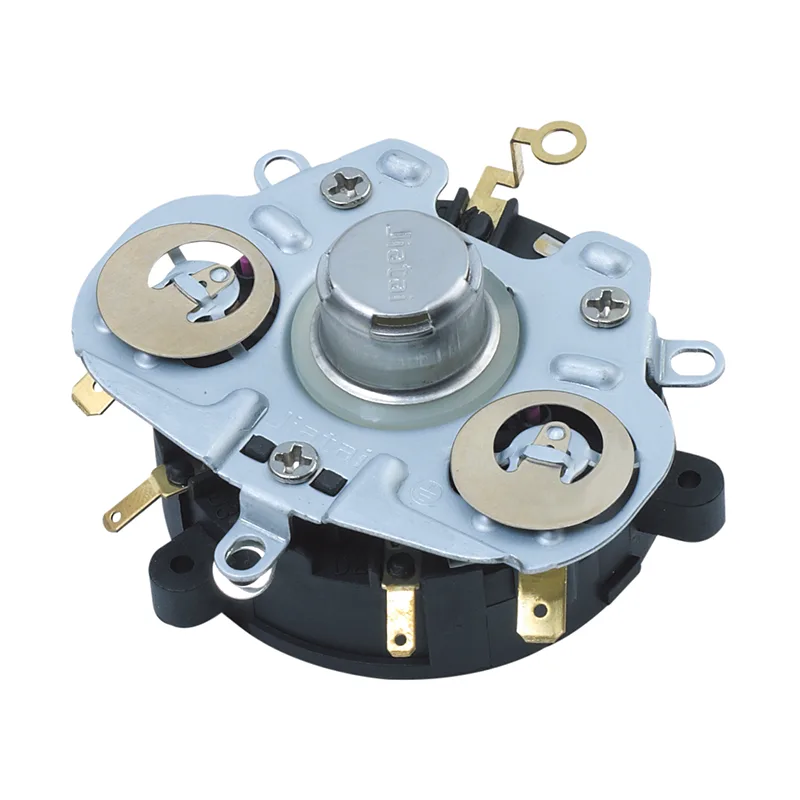
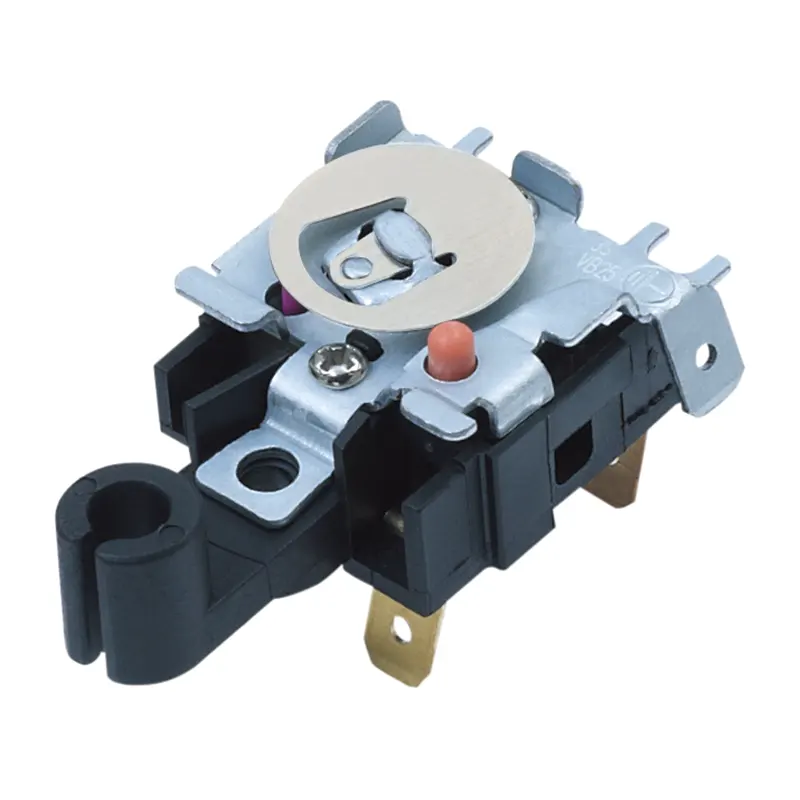
JIATAI develops electrical connection and temperature-control components for household appliance manufacturers. The Electrical Kettle Connector, model KSD168-1S01, is designed to provide a stable electrical interface between an electric kettle and its heating base, supporting reliable power transmission, efficient assembly, and repeated daily operation.
An electrical kettle connector is a critical component in cordless electric kettles, linking the kettle body with its power supply base. Its design influences electrical continuity, mechanical compatibility, assembly efficiency, and long-term product reliability. For appliance manufacturers, choosing the right connector requires evaluating rated voltage and current, terminal configuration, insulation performance, temperature resistance, operating life, and applicable market approvals. This guide explains how kettle connectors work, reviews the specifications of JIATAI's KSD168-1S01, compares key selection criteria, and outlines practical quality-control and procurement considerations for OEM and ODM projects.
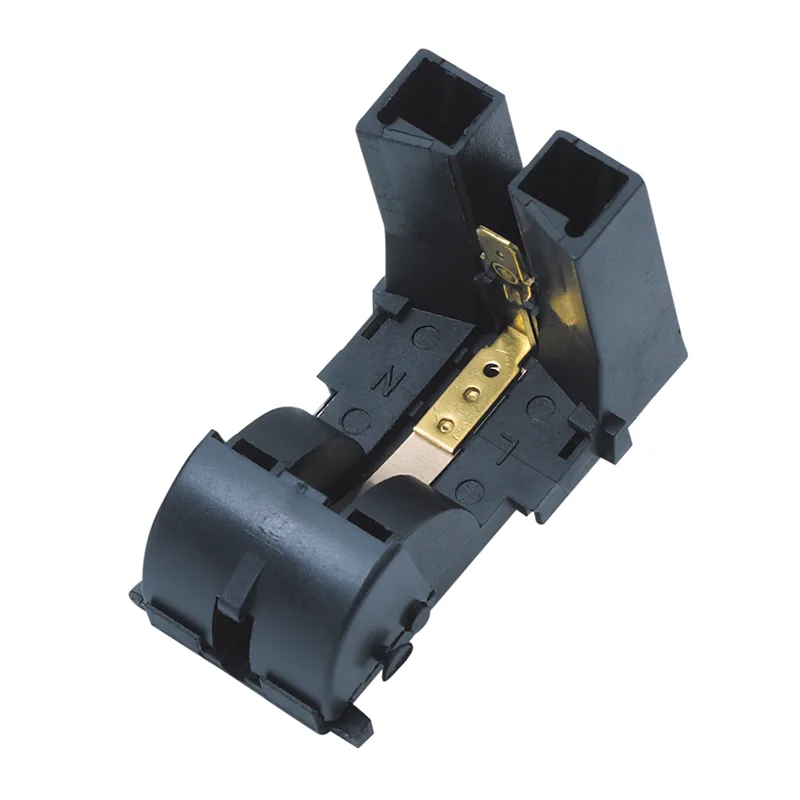
Table of Contents
- What Is an Electrical Kettle Connector?
- How Does an Electrical Kettle Connector Work?
- What Functions Matter Most in Daily Operation?
- KSD168-1S01 Technical Specifications
- How Do You Choose the Right Connector?
- How Can Manufacturers Evaluate Connector Quality?
- Which Appliances Can Use Kettle Connector Solutions?
- What Should Buyers Confirm Before Ordering?
- Frequently Asked Questions
- Conclusion
1. What Is an Electrical Kettle Connector?
An electrical kettle connector is an electromechanical component that establishes the power connection between a kettle and its electrical supply arrangement. In many cordless kettle designs, the connector is integrated into the bottom of the kettle and mates with a corresponding contact assembly in the heating base.
This configuration allows users to lift the kettle from its base without disconnecting a cable directly from the appliance body. For manufacturers, the connector must fit the mechanical design while maintaining dependable electrical contact during repeated placement and removal.
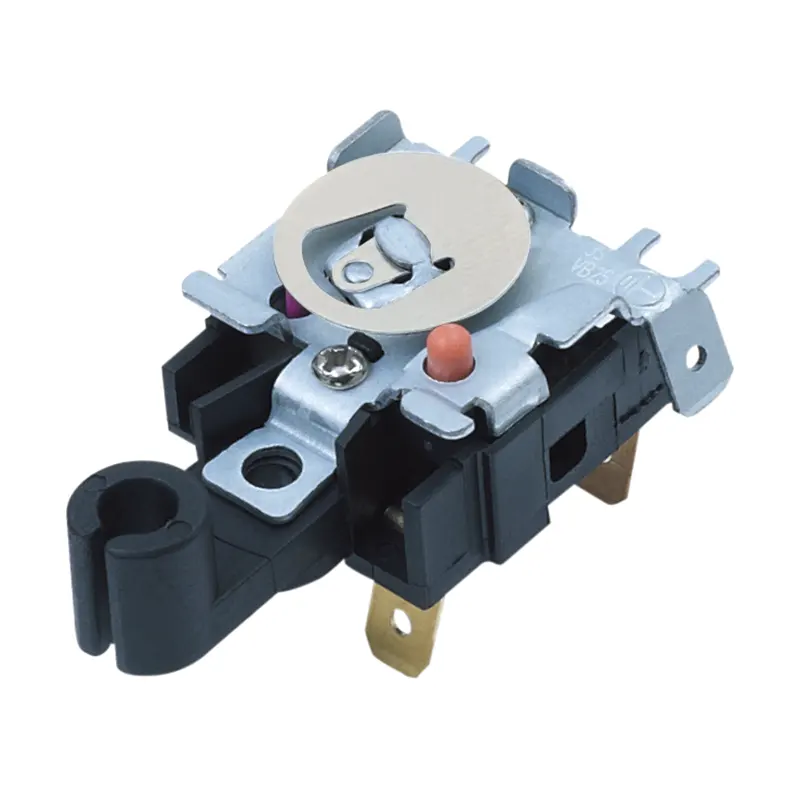
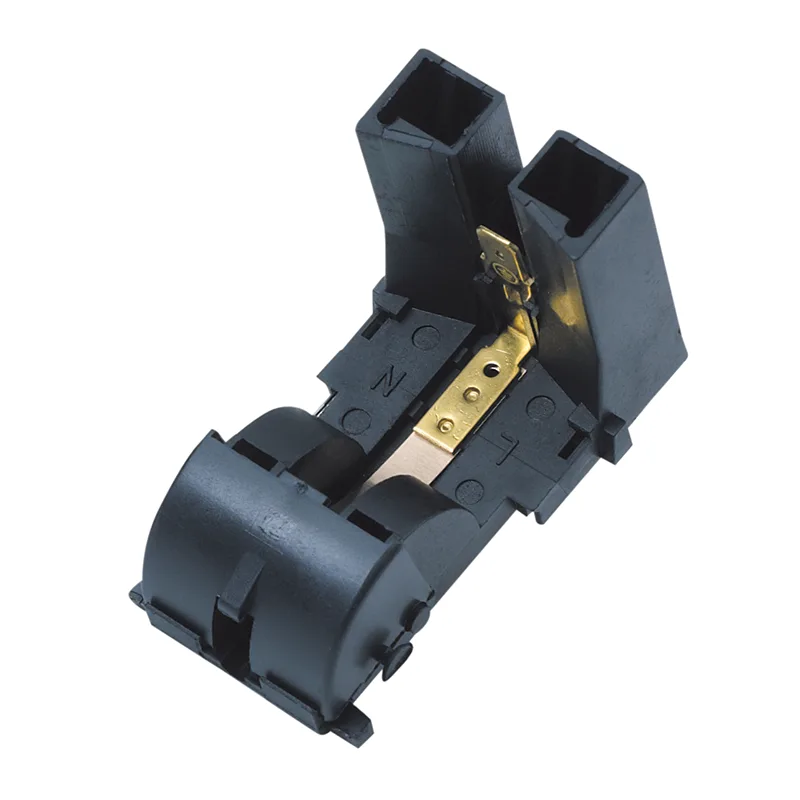
JIATAI's KSD168-1S01 uses a three-pole configuration and a combination of plastic and brass construction. These materials serve different purposes: the insulating housing helps separate conductive components, while brass provides an electrically conductive contact material. The actual performance depends on the finished design, material grade, assembly quality, and operating conditions.
For appliance engineering teams, the connector is not simply a plug-in accessory. It is part of the overall electrical interface, so its dimensions, terminal arrangement, current rating, and compatibility with associated control components must be verified during product development.
Manufacturers can review the JIATAI Electrical Kettle Connector product page for model-specific information.
2. How Does an Electrical Kettle Connector Work?
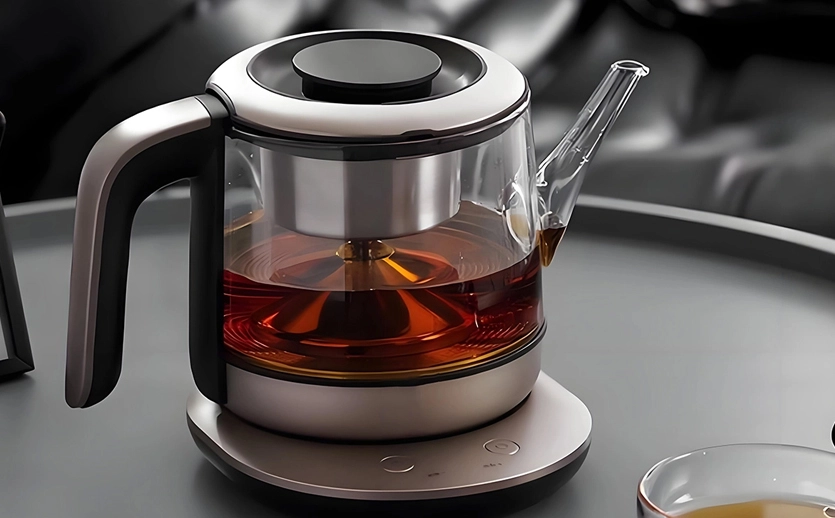
In a typical cordless electric kettle, the power base connects to the mains supply through a power cord. When the kettle is placed correctly on the base, the corresponding connector contacts engage and establish the electrical path required for heating.
The process can be understood through four basic stages:
- Positioning: The kettle is placed onto the base, aligning the corresponding connector structures.
- Electrical contact: Conductive contacts engage to provide the intended power connection.
- Heating operation: Electrical energy reaches the kettle's heating circuit when the appliance's control system permits operation.
- Disconnection: Lifting the kettle separates the mating connection, allowing cordless handling.
In a complete kettle system, the connector works alongside the heating element, switching mechanism, and temperature-control or protective devices. These components have different functions. The connector provides the electrical interface, while the relevant control components regulate or interrupt heating according to the appliance design.
A connector alone should not be treated as a complete overheat-protection or automatic shut-off solution. Overall safety depends on the appliance architecture, correctly matched components, and appropriate testing of the finished product.
3. What Functions Matter Most in Daily Operation?
Stable Electrical Contact
Reliable contact is essential because a kettle repeatedly experiences heating cycles and mechanical movement. Poorly matched contacts, insufficient contact pressure, contamination, or component wear can increase contact resistance and cause localized heating. A suitable connector design helps maintain the intended electrical connection throughout its specified operating life.
Electrical Insulation
The insulating structure separates conductive parts and helps prevent unintended electrical contact. Material selection, component spacing, housing integrity, and assembly accuracy all contribute to insulation performance. These factors should be evaluated against the appliance's operating voltage and applicable safety requirements.
Thermal Resistance
Connectors in heating appliances operate near components that generate heat. Their materials and structure must be appropriate for the expected ambient and local operating temperatures. JIATAI lists a maximum ambient temperature rating of T125 for the KSD168-1S01; this value should be interpreted within the conditions specified in the model's technical documentation.
Mechanical Durability
Repeated placement and removal can put stress on the mating contacts and surrounding structure. The connector must be compatible with the kettle's geometry and intended usage pattern. Mechanical fit and durability should be verified in the actual assembly rather than judged by appearance alone.
Manufacturing Compatibility
A connector that is straightforward to integrate can help appliance manufacturers standardize assembly procedures. Consistent dimensions, terminal arrangements, and inspection requirements are particularly important for high-volume production, where small variations can affect assembly yield and downstream reliability.
4. KSD168-1S01 Technical Specifications
The following table summarizes the specifications listed on JIATAI's product page. Buyers should confirm the applicable rating and approval combination for their target market before selecting the component.
| Parameter | Listed Specification | Why It Matters |
|---|---|---|
| Model | KSD168-1S01 | Identifies the connector configuration for technical matching. |
| Structure | Three poles | Defines the connection arrangement; verify compatibility with the appliance design. |
| Construction materials | Plastic and brass | Supports insulation and electrical conduction functions. |
| Rated voltage and current | 220–240V AC, 10A (SEMKO); 110/120/220/240V AC, 13A (CQC); 125V AC, 13A (ETL) | Ratings and approvals must match the intended market and application. |
| Maximum ambient temperature | T125 | Provides a reference for evaluating the specified temperature environment. |
| Operating life | 10,000 cycles | Indicates the listed cycle-life specification; confirm the test conditions. |
| Temperature specification | ±5°C | Requires confirmation of the precise parameter and test method in the technical documentation. |
| Dielectric strength test | 2,200V AC for 1 minute | Provides a reference for insulation-strength verification under the specified test conditions. |
| Color | Black | Helps identify the specified component appearance. |
These specifications are product-page data, not a substitute for a complete technical datasheet. Approval marks, rated conditions, test procedures, and the exact certification scope should be checked against current documentation before production approval.
5. How Do You Choose the Right Connector?
Selecting a kettle connector requires more than matching its general appearance. Engineering teams should verify the electrical, mechanical, thermal, and compliance requirements of the finished appliance.
Confirm Voltage and Current Ratings
Start with the appliance's rated voltage, rated current, and heating-element power. A connector must be suitable for the actual electrical load under the specified operating conditions. Do not assume that a model approved for one voltage and current combination automatically supports every rating listed for another market.
Check Pole Configuration and Dimensions
Confirm the number and arrangement of contacts, mounting dimensions, connection orientation, and mating geometry. If replacing an existing component, compare the original part number and technical drawings rather than relying solely on a visual match.
Evaluate Thermal and Insulation Requirements
Review the operating temperature around the connector, possible exposure to steam or condensation, and the insulation requirements for the appliance. A suitable component must perform within the conditions defined by its manufacturer and the applicable product standards.
Verify Market Approvals
Different destination markets can require different conformity assessments and documentation. Buyers should confirm that the specific model and rating combination has the necessary approvals for the intended product and market. A supplier's general certification statement should not be interpreted as proof that every configuration is approved.
Assess Lifecycle and Maintenance Needs
Consider the expected frequency of kettle use, product warranty targets, and the required connector service life. A listed cycle rating is meaningful only when its test conditions and acceptance criteria are understood.
6. How Can Manufacturers Evaluate Connector Quality?
Quality control should begin during component qualification and continue through incoming inspection and finished-appliance testing. A documented process helps identify issues before components enter mass production.
Useful verification activities include:
- Visual inspection: Check for cracks, deformation, contamination, and visible manufacturing defects.
- Dimensional inspection: Verify critical dimensions and mating geometry against approved drawings.
- Contact assessment: Evaluate electrical contact performance using the specified test method.
- Insulation testing: Conduct insulation resistance and dielectric-strength tests according to applicable requirements.
- Temperature evaluation: Assess performance under representative operating conditions.
- Durability testing: Verify mechanical and electrical performance over the required operating cycles.
- Assembly validation: Test the connector within the actual kettle and base configuration.
Testing should follow approved procedures, with suitable equipment and documented acceptance limits. High-voltage testing must be performed by qualified personnel using appropriate safeguards. Product-specific requirements and applicable safety standards take precedence over generic test values.
7. Which Appliances Can Use Kettle Connector Solutions?
Electrical kettle connectors are primarily associated with cordless electric kettles, but similar connection principles may be relevant to other compact heating appliances when the electrical and mechanical design permits.
- Household electric kettles: Connect the kettle body with its powered heating base.
- Tea-making appliances: Support compatible heating systems used to prepare hot beverages.
- Selected beverage-heating products: Provide an electrical interface where the connector's specifications match the appliance design.
- OEM and ODM appliances: Offer a component option for manufacturers developing their own kettle models or private-label products.
Compatibility must always be confirmed for each application. Similar-looking appliances can have different power ratings, terminal arrangements, temperature conditions, and certification requirements.
8. What Should Buyers Confirm Before Ordering?
For purchasing teams, clear technical communication helps reduce mismatched orders, avoidable production delays, and component qualification problems. Before placing an order, confirm the following information with the supplier:
- Application details: Provide the kettle model, product drawings, installation location, and intended operating conditions.
- Electrical requirements: Specify rated voltage, current, heating power, and target-market requirements.
- Mechanical compatibility: Confirm dimensions, pole arrangement, mating interface, and mounting details.
- Technical documentation: Request the latest datasheet, applicable test reports, and relevant approval documentation.
- Sample evaluation: Test samples in the actual appliance assembly before approving mass production.
- Supply arrangements: Confirm order quantity, packaging, lead time, delivery terms, and batch traceability where required.
JIATAI supports kettle-component sourcing through product information and technical communication. For model-specific details, visit the KSD168-1S01 Electrical Kettle Connector page and confirm your requirements before placing an order.
9. Frequently Asked Questions
Q1: What does an electrical kettle connector do?
It establishes the electrical connection between a cordless kettle and its power base, allowing electrical energy to reach the heating circuit when the appliance's control system permits operation.
Q2: What is the JIATAI KSD168-1S01 connector made of?
The product page lists plastic and brass as its construction materials. Plastic serves the insulating housing function, while brass provides conductive contact material. The detailed material grades should be confirmed in the technical documentation.
Q3: How many poles does the KSD168-1S01 have?
The listed configuration has three poles. Buyers should verify the terminal arrangement and mating dimensions against their kettle design before approving the component.
Q4: Is the connector suitable for both 110V and 220V markets?
The product page lists several voltage and current combinations associated with different approvals. The exact combination suitable for a particular market must be confirmed with JIATAI and supported by the applicable product documentation.
Q5: What does a 10,000-cycle operating life mean?
It is the operating-life figure listed for the product. Buyers should request the relevant test definition, operating conditions, and acceptance criteria to understand how the rating applies to their intended use.
Q6: Can I replace an existing kettle connector with the KSD168-1S01?
Only after verifying electrical ratings, pole configuration, mechanical dimensions, temperature requirements, and relevant approvals. A qualified engineer should confirm compatibility before the replacement is used in production.
Q7: What information should I send when requesting a quotation?
Provide the required model or sample, electrical ratings, intended market, estimated order quantity, mechanical drawings where available, and any specific testing or documentation requirements. This helps the supplier assess the application more accurately.
10. Conclusion
An electrical kettle connector is a small but essential component in the performance of a cordless electric kettle. Correct selection helps manufacturers establish reliable power transmission, maintain mechanical compatibility, and meet the electrical and thermal requirements of the finished appliance. By checking current ratings, pole configuration, insulation performance, cycle life, and market-specific approvals, engineering and procurement teams can make more informed sourcing decisions. JIATAI's KSD168-1S01 provides a defined three-pole connector option for compatible kettle designs, with model-specific specifications available for review. Visit the JIATAI Electrical Kettle Connector product page to explore the listed details and contact us to discuss your application, request technical documentation, evaluate samples, and identify a suitable connector solution for your next appliance production project.
Related News
- What Is the Difference Between a Bimetal Thermostat and an NTC Thermostat?
- How Can Manufacturers Test an Electric Kettle Thermostat?
- How Can a 5 Pins NTC Elecgtronic Thermostat Improve Temperature Control and Safety in Modern Kettles
- What Causes an Electric Kettle Thermostat to Fail?
- How Can a LOSO Type Electrical Kettle Controller Improve Kettle Safety and Heating Reliability
- Why Is Dry-Boil Protection Important in an Electric Kettle?
Leave me a message