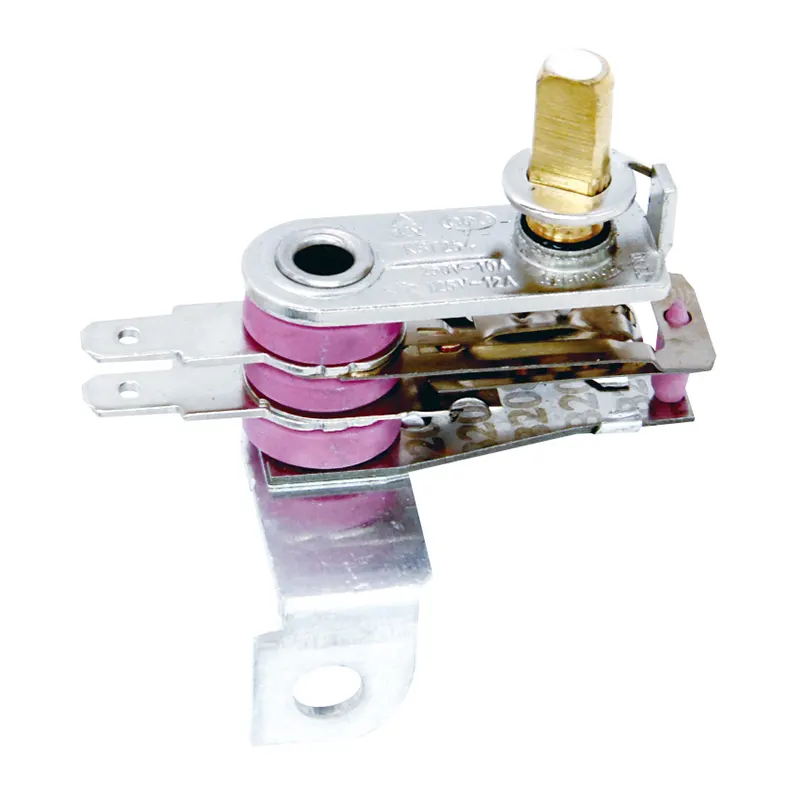
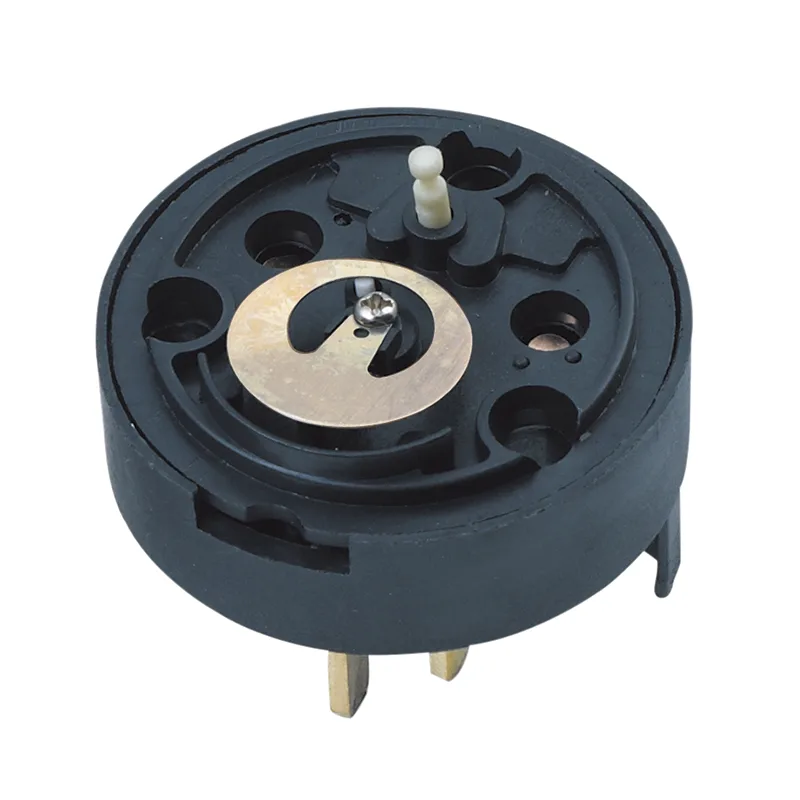
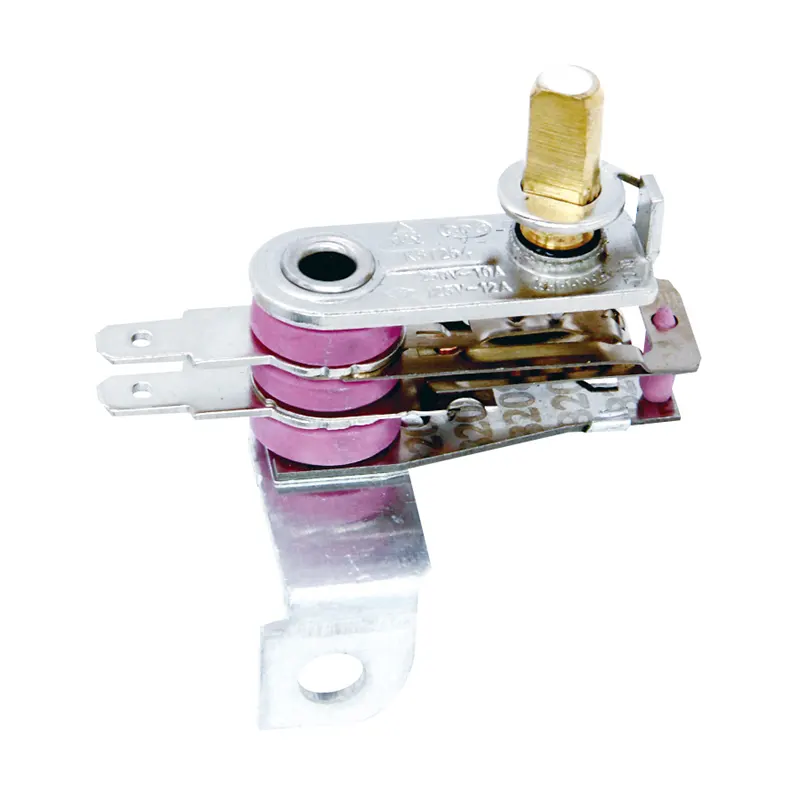
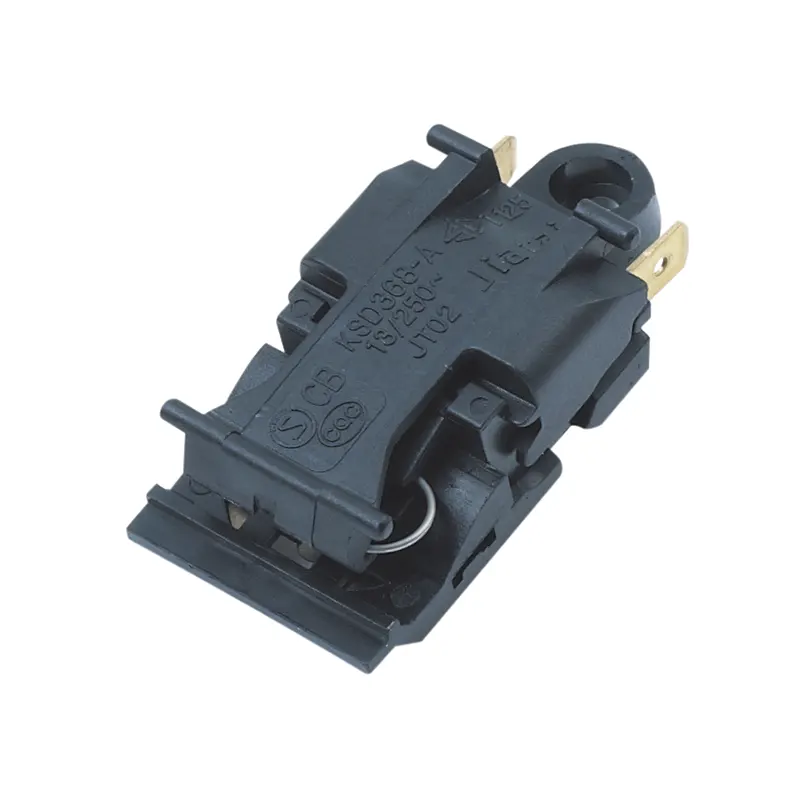
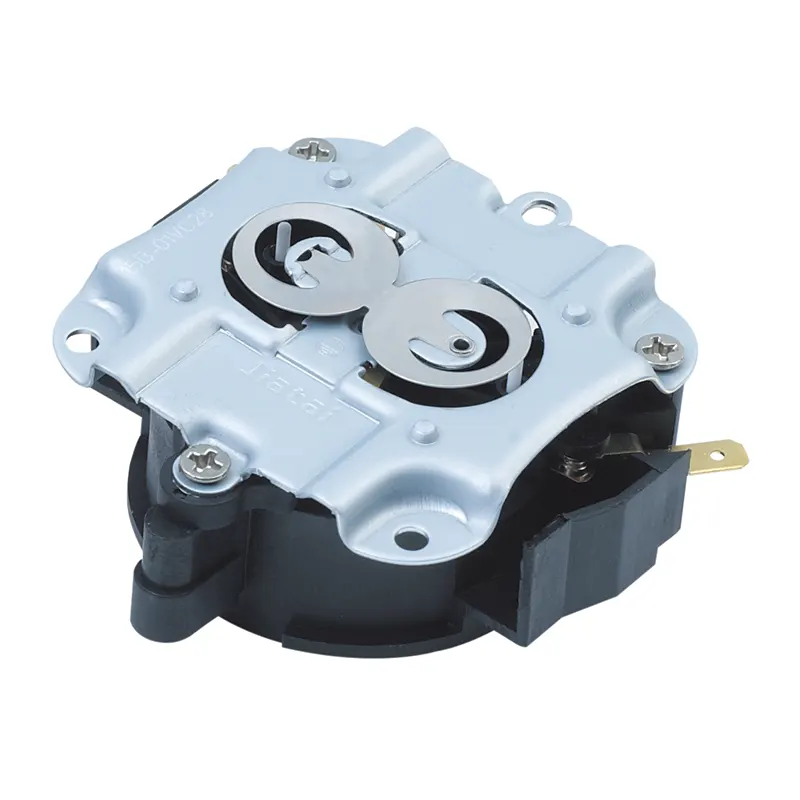
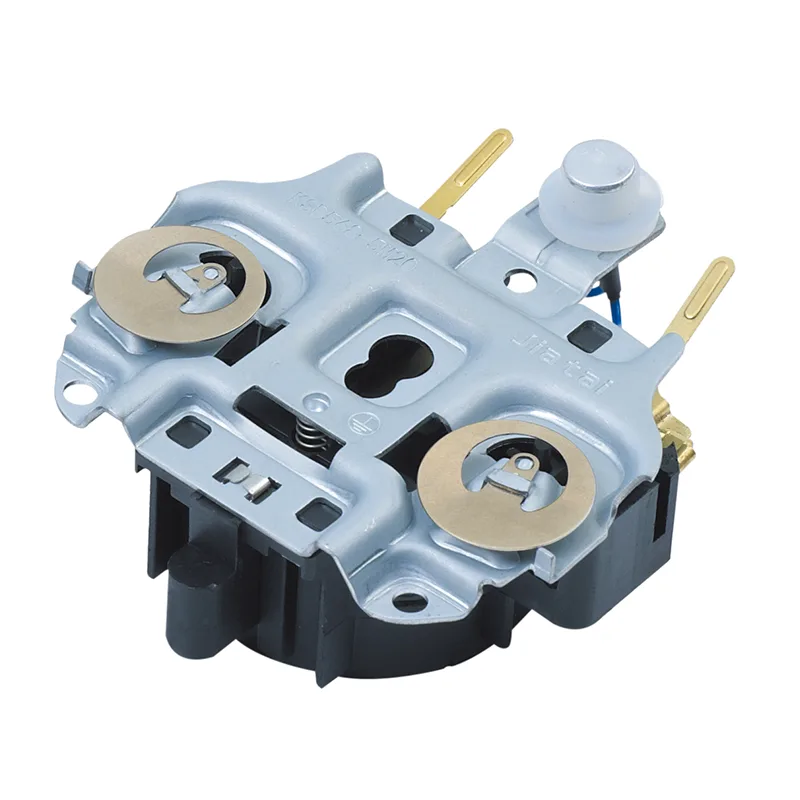
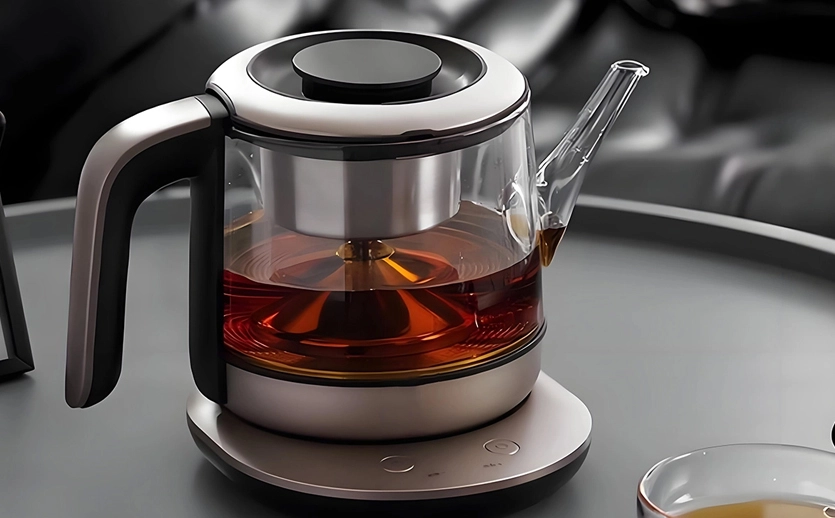
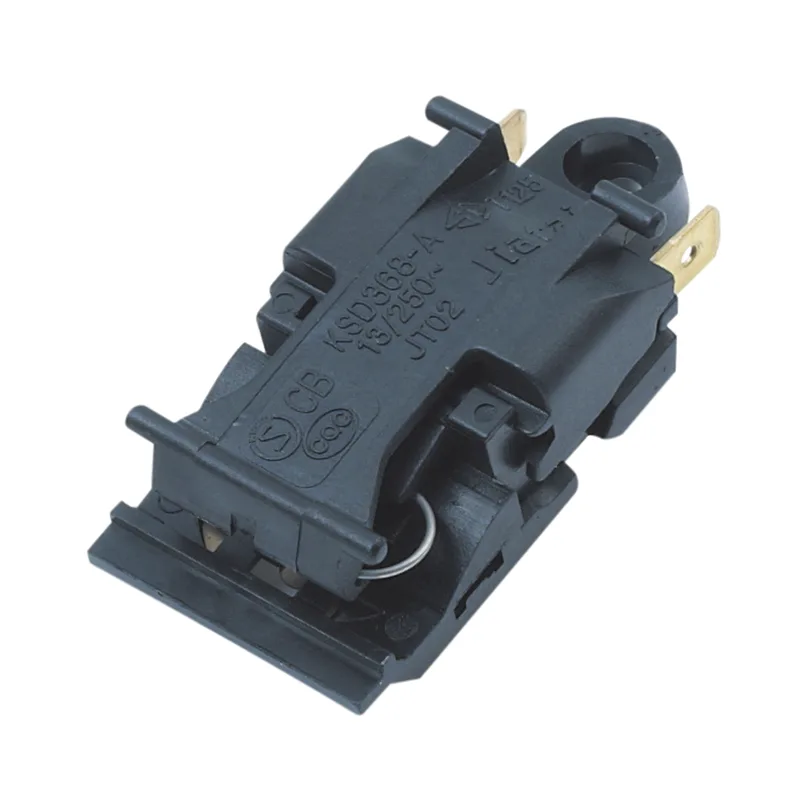
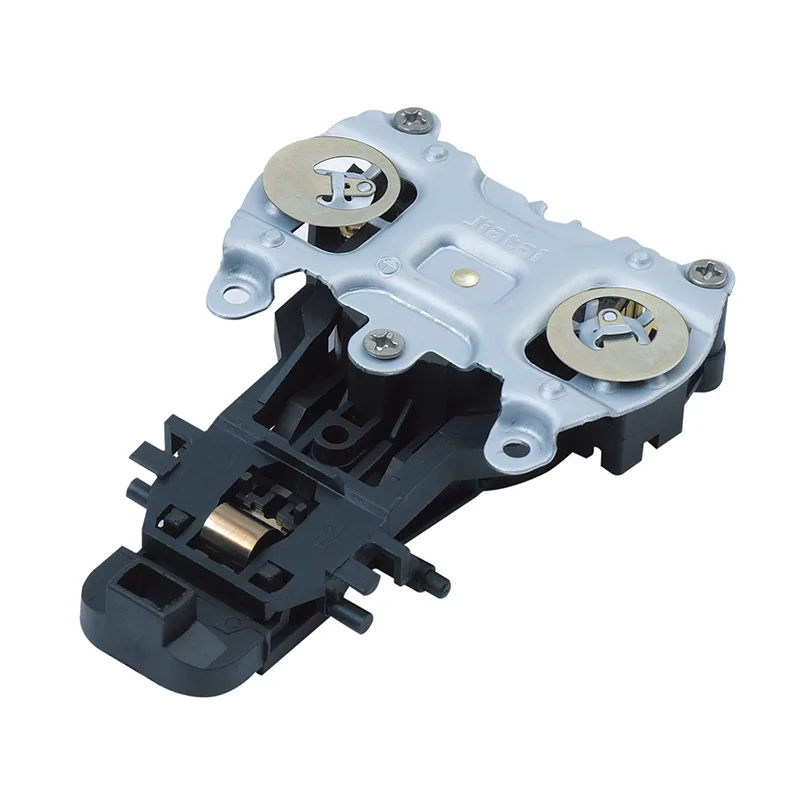
The number of electrical connections is one of the first differences buyers notice when comparing kettle thermostats. However, choosing between 3-pole and 5-pole designs should be based on the kettle's circuit requirements rather than the number alone.
When Is a 5-Pole Design Useful?
A 5-pole thermostat can provide additional electrical connections for kettle functions beyond a basic heating and shut-off circuit.
Depending on the design, additional circuits may be associated with indicators, control functions or other appliance features.
This makes the configuration particularly useful for more complex kettle platforms.
More Connections Mean More Design Coordination
When a kettle uses a 5-pole thermostat, the electrical engineer needs to confirm every connection before production.
The design team should prepare:
· Wiring diagram
· Terminal identification
· Heater circuit
· Indicator circuit
· Control circuit
· Grounding arrangement
· Connector configuration
This avoids mistakes during assembly and makes production inspection easier.
5-Pole Thermostats for Modern Kettles
Modern kettles increasingly include functions such as keep-warm operation, multiple temperature settings and other user controls.
A conventional boil-only kettle may not require the same circuit architecture.
Jiatai's 5-pole electric kettle thermostat range is positioned for modern kettle applications where additional electrical connections are required, including 360° cordless designs.
Which One Should You Choose?
The answer depends on the product.
Choose based on:
3-pole:
When the kettle requires a relatively straightforward control arrangement.
5-pole:
When the appliance requires additional circuits or functions.
The correct approach is to start with the kettle circuit diagram and then select the thermostat.
Do Not Select by Appearance
Two thermostats may look nearly identical while having different internal electrical configurations.
For OEM purchasing, always confirm the part number, terminal arrangement, rated current, voltage and mechanical dimensions before placing a production order.
We use cookies to offer you a better browsing experience, analyze site traffic and personalize content. By using this site, you agree to our use of cookies.Privacy Policy